 Skip to content
Polyurea Garage Floor Coatings in Birmingham, MI
QUESTIONS? NEED A QUOTE?
Upgrading Garage Floor Coating in Birmingham with Polyurea-Polyaspartic Coatings
On this page, we document garage floor coating projects in Birmingham, MI. Our dual-coating systems have converted worn concrete slabs into durable, attractive garage floors. Birmingham is an Oakland County city known for its well-maintained, established neighborhoods—tree-lined streets, historic homes, and a community standard of pride in property upkeep.
Many of the properties where we apply our polyurea-polyaspartic floor coating systems had accumulated the wear and tear of Michigan’s harsh climate. As you will see in these case studies, our garage floor coating specialists work with concrete slabs in a wide variety of conditions: some needed only standard surface preparation. Others required significant remediation—moisture barrier application, crack and pitting repair, and full removal of failing prior coatings—before the polyurea and polyaspartic coats could go down. We describe the process and results, and include the before-and-after photos for each job.
Birmingham Garage Floor Coating Case Studies
These case studies carefully document the condition of the concrete slab, the challenges we encountered, and the steps our crew took to prepare and restore the concrete slab before applying the dual-layer system. Each project reflects a variety of conditions to be addressed, and shows the consistent quality standards MotorCity Floors and Coatings applies to every installation.
Quality Garage Floor Coatings
Winter road salt, freeze-thaw cycles, automotive fluids, and daily vehicle traffic degrade unprotected garage concrete over time. The damage typically appears as oil staining, cracking, surface pitting, and adhesion failure in previously coated floors.
Several of our jobs of garage floor coating in Birmingham involved concrete beneath failing epoxy or painted coatings that had lost their bond—a condition that recoating over the old surface cannot fix. Polyurea-polyaspartic systems provide reliable protection against these conditions and deliver an appearance that bare concrete or epoxy products cannot match.
NEW Garage Floor Coating
on Wakefield Street
Wakefield Street, Birmingham, MI
The Starting Point
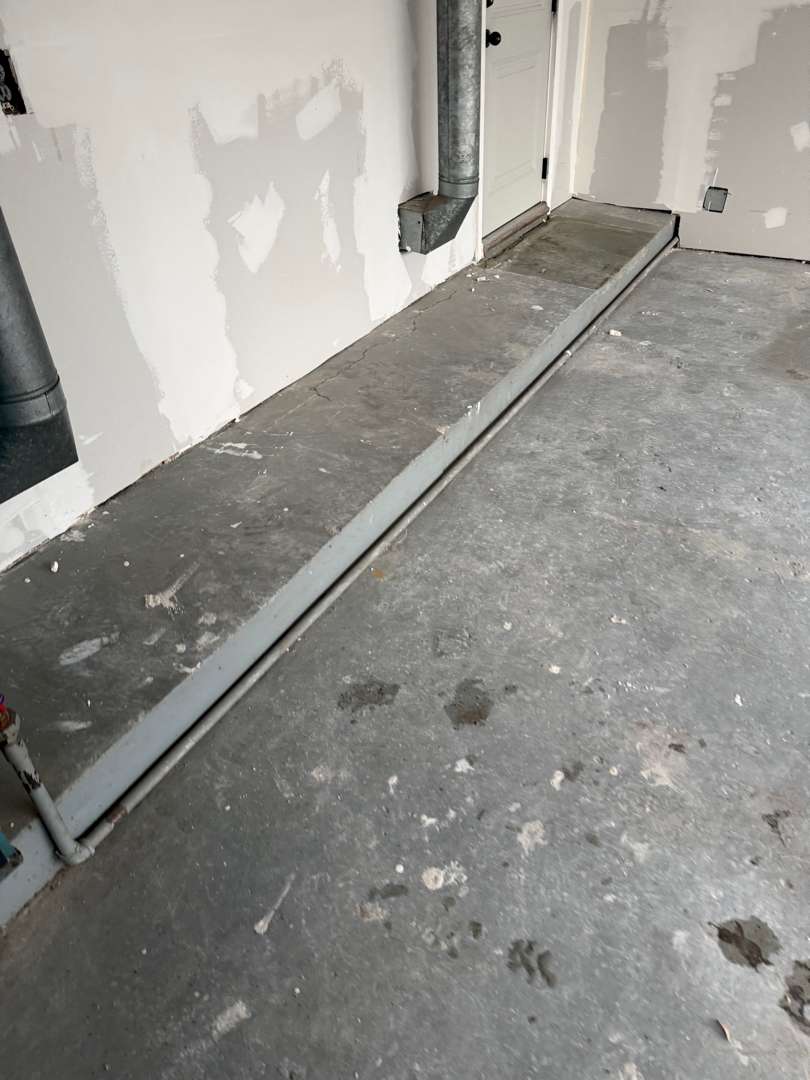
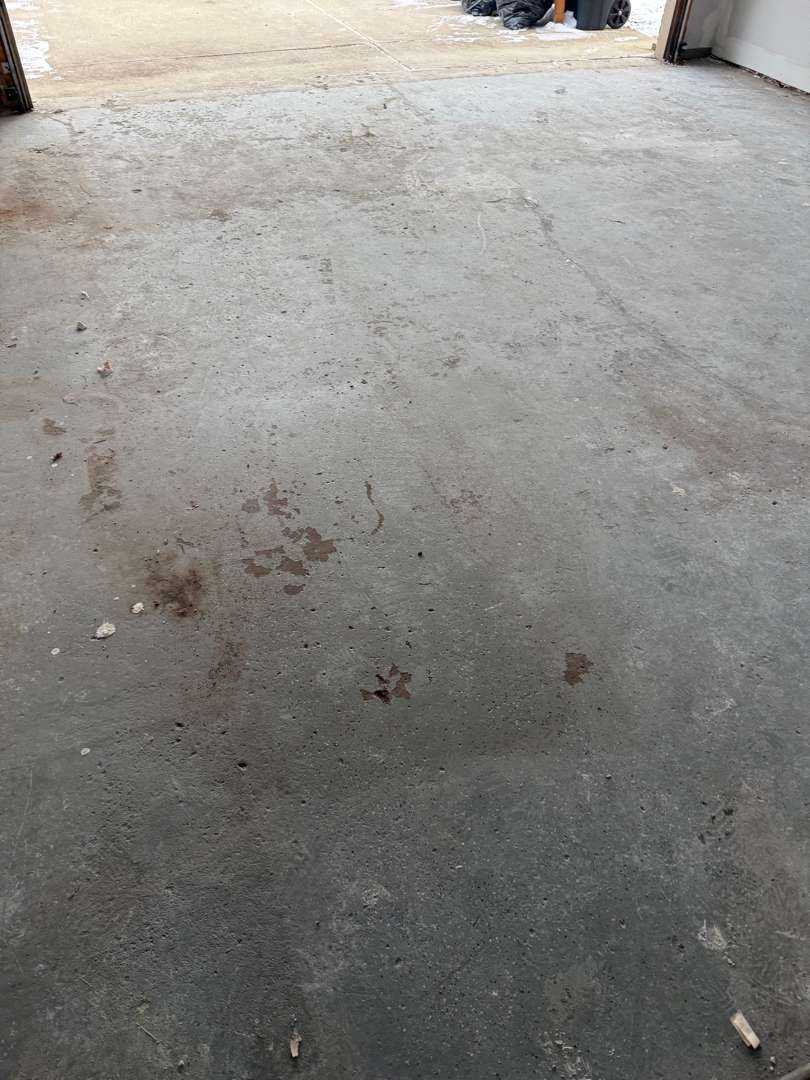
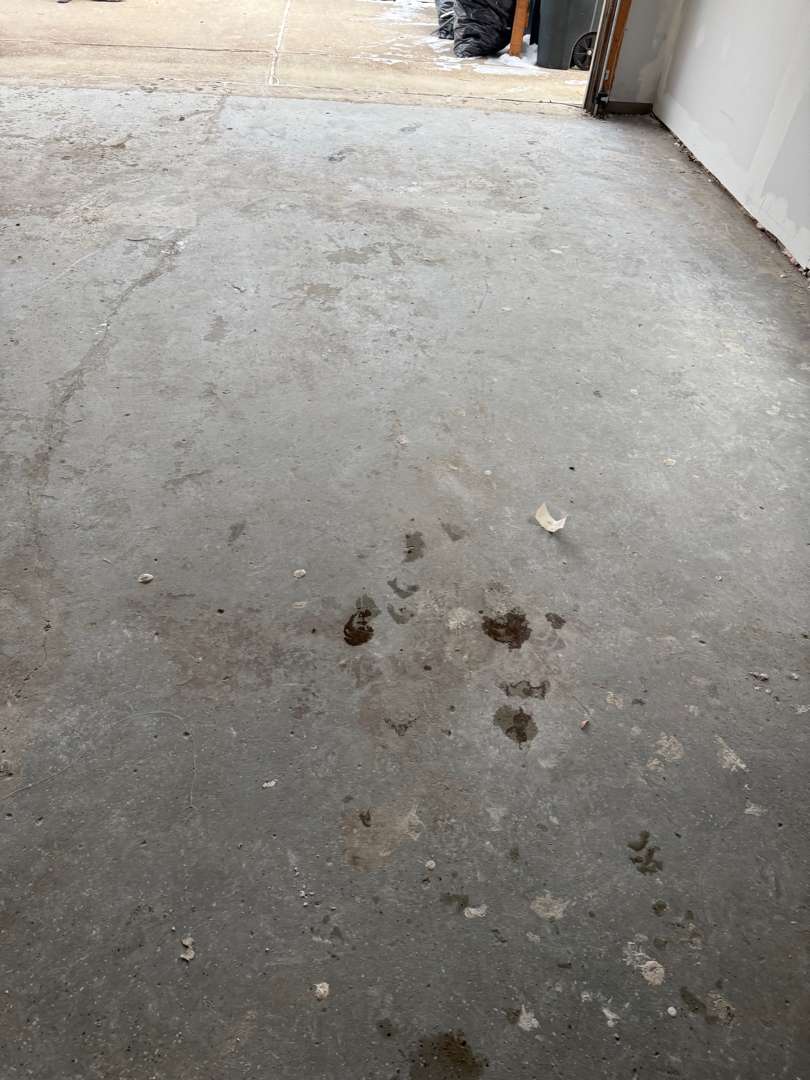
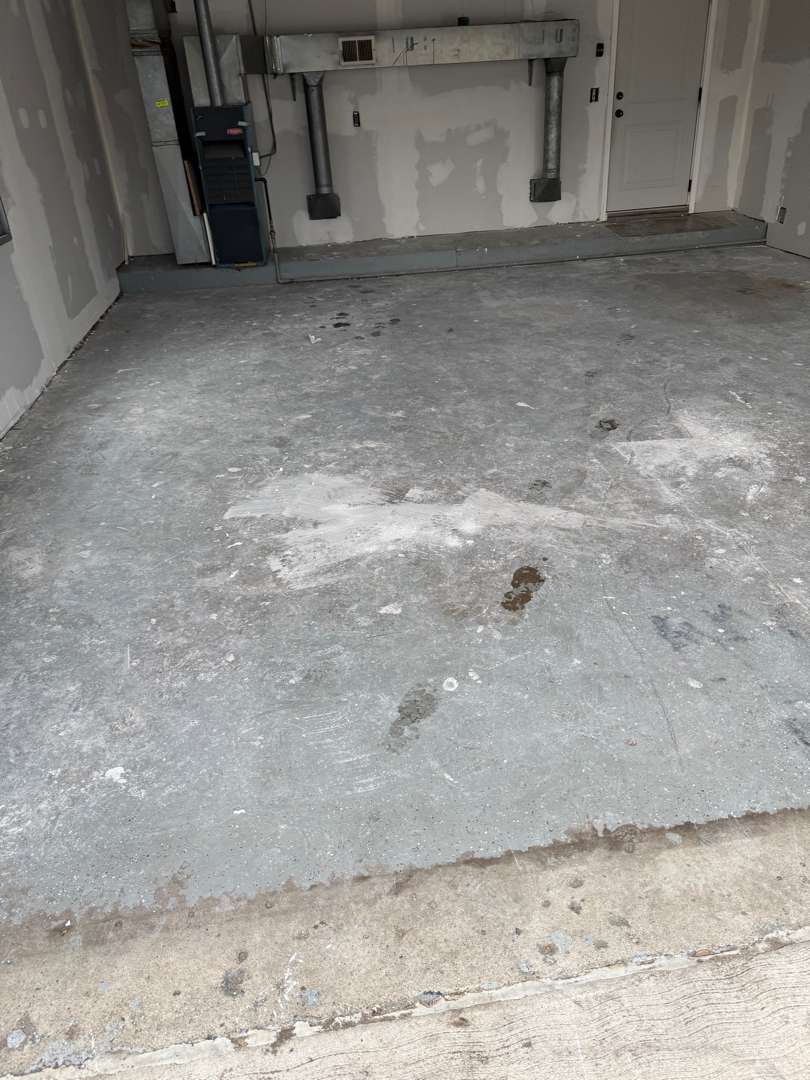
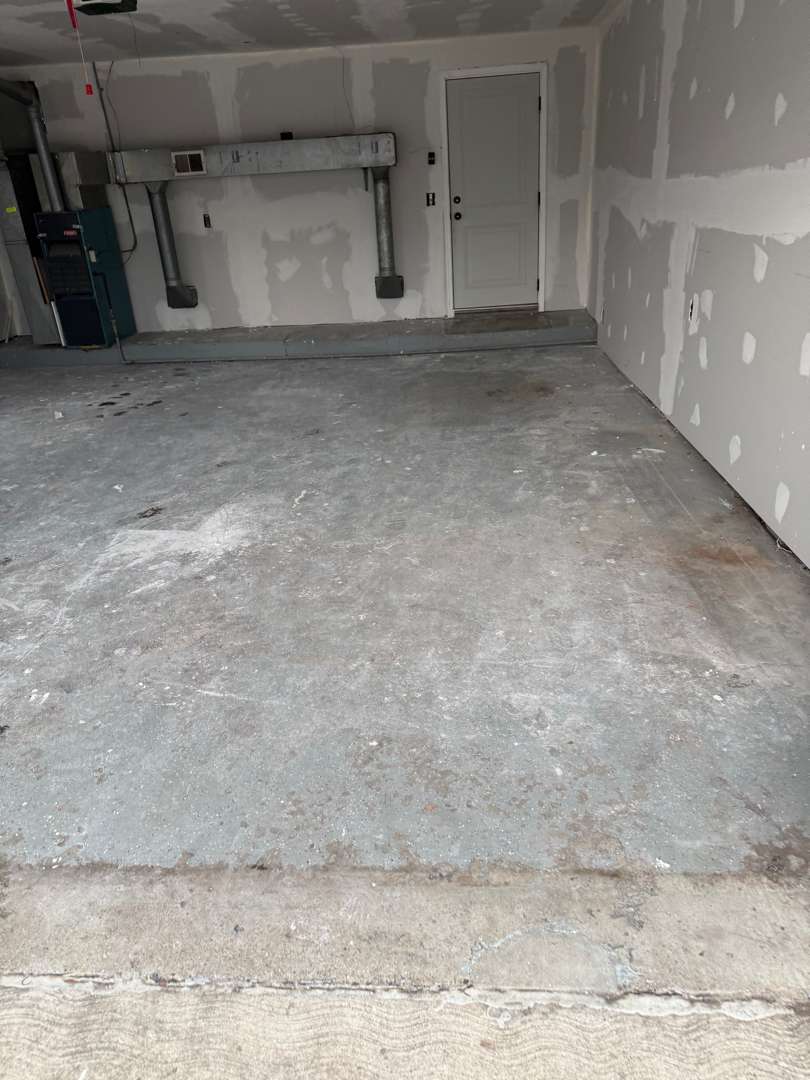
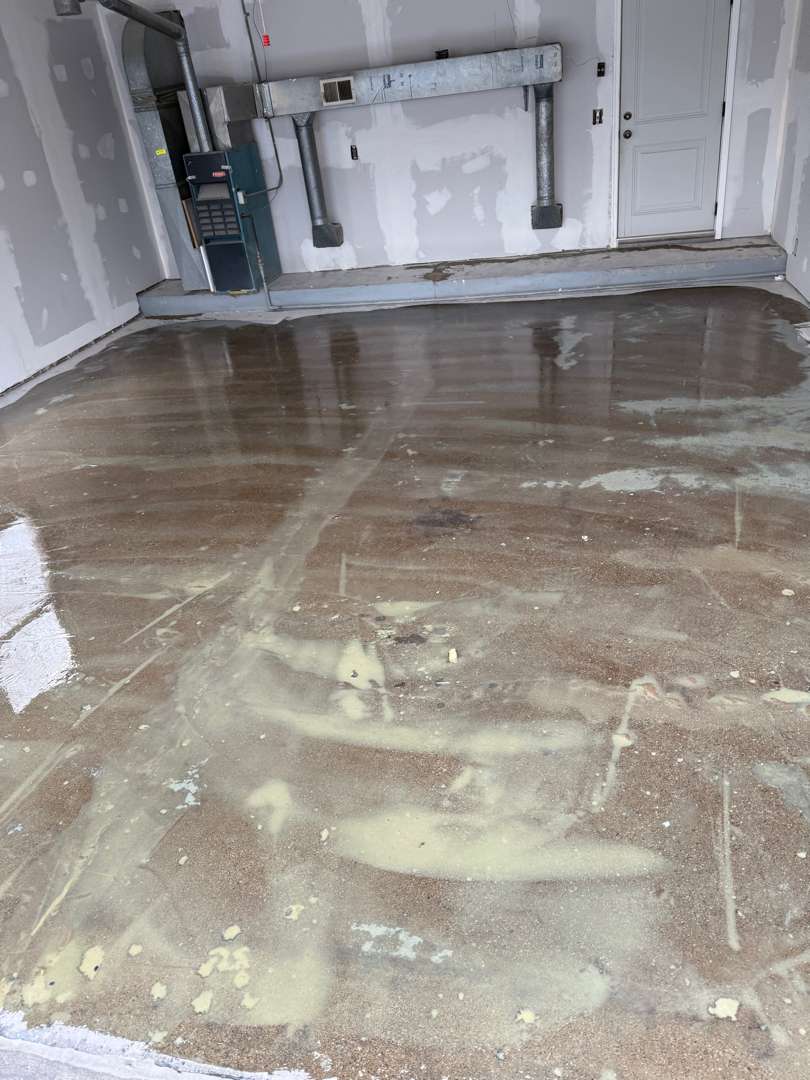
Our crew arrived at this Wakefield Street property during an active renovation. The garage walls were still in the drywall mud and tape stage. The concrete floor showed the evidence of construction work throughout. Drywall mud had dripped and dried across the slab. Paint scuffs and debris covered the surface. Oil spots marked the center of the floor.
The Curb Detail
A raised concrete curb ran along the back wall of the garage. This kind of curb is common in new construction. It serves as a barrier between the garage floor and the wall framing. The curb showed cracking along the riser face. Our crew applied patch compound to the cracked sections before any coating work began.
Surface Preparation
Our crew ground the slab to remove the construction contamination. Diamond grinding cut through the drywall residue, paint, and surface debris. The grinding photos show dark slurry pulling off the slab. That slurry was construction contamination. Left in place, it would prevent proper adhesion. Our crew worked across every section until the surface was clean and open.
The Coating System
The homeowner selected Driftwood — a warm blend of tans, greys, and soft browns. It is a neutral color that works well against a range of wall finishes. Our crew applied the polyurea-polyaspartic coating system with 16-grit traction. Our team broadcast the decorative flake across the wet base coat. They then applied the heavy clear topcoat to lock in the flakes.
The raised curb along the back wall received the same system as the main floor. Our crew brought the coating up and over the curb face and top. It now reads as one continuous surface from the floor to the wall.
The Result
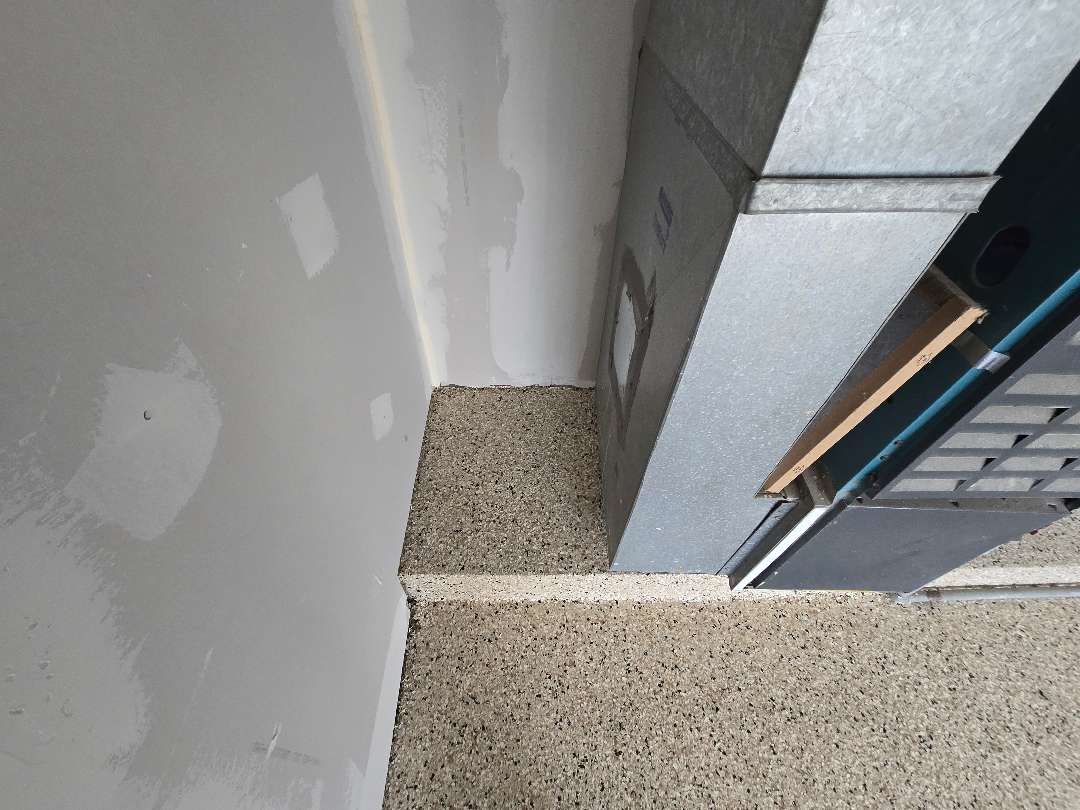
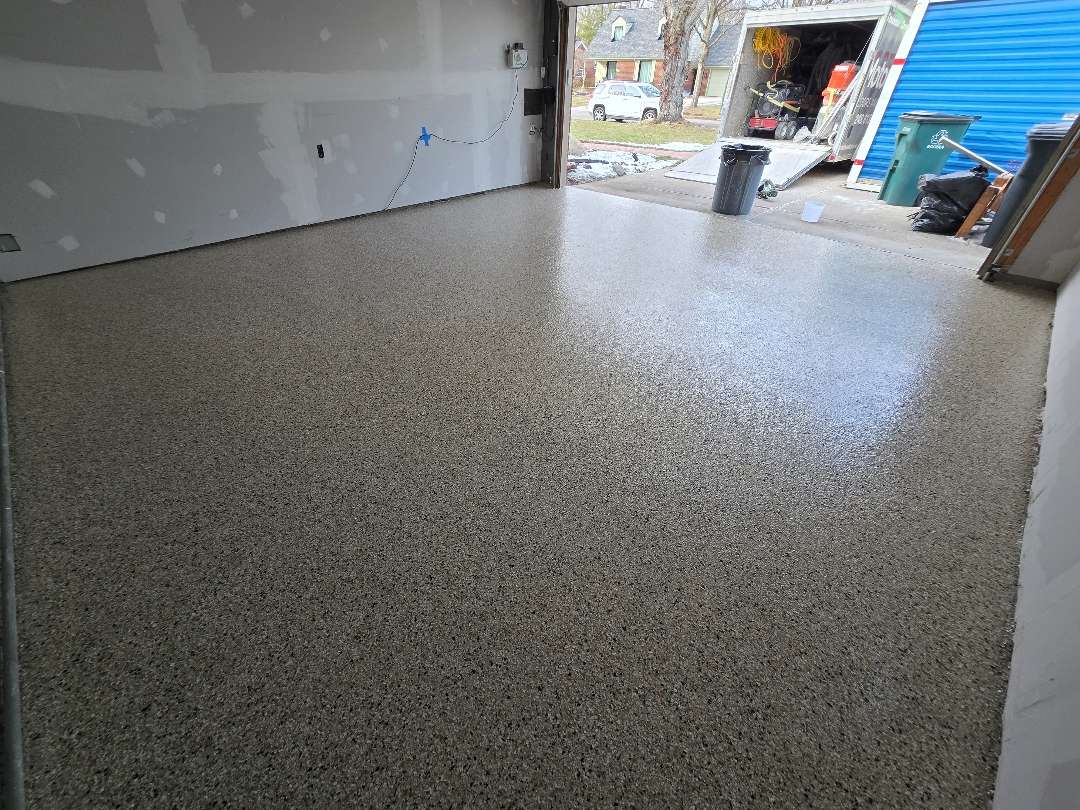
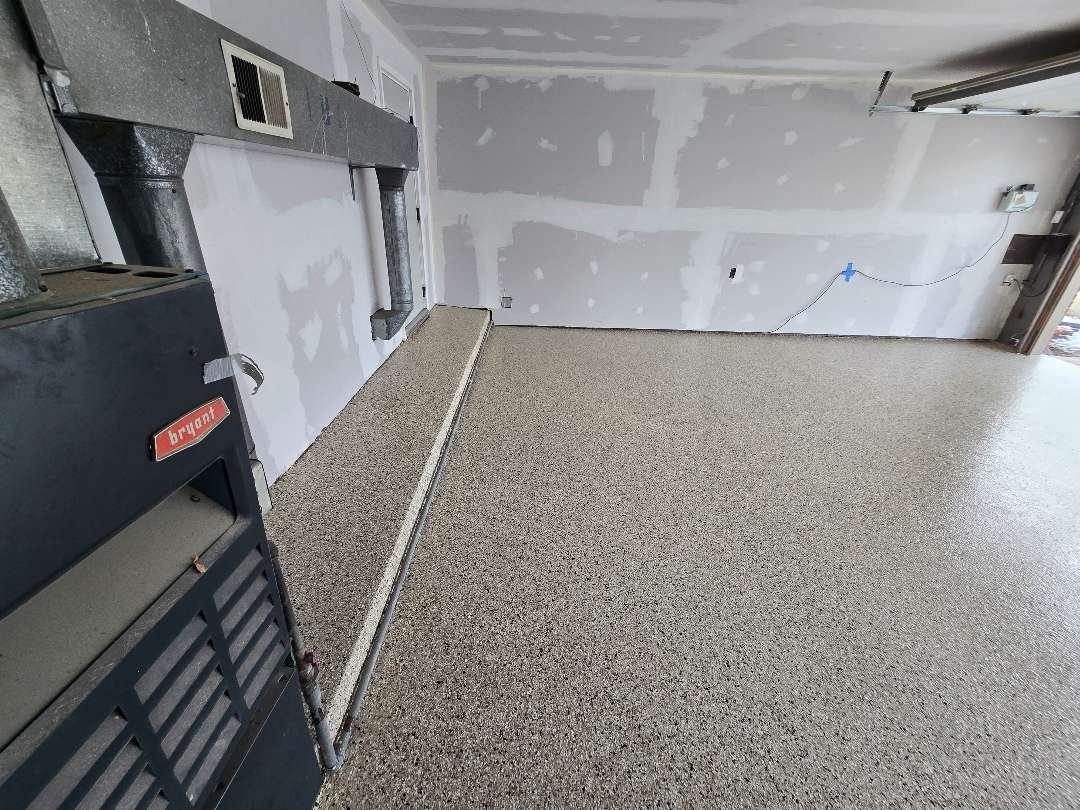
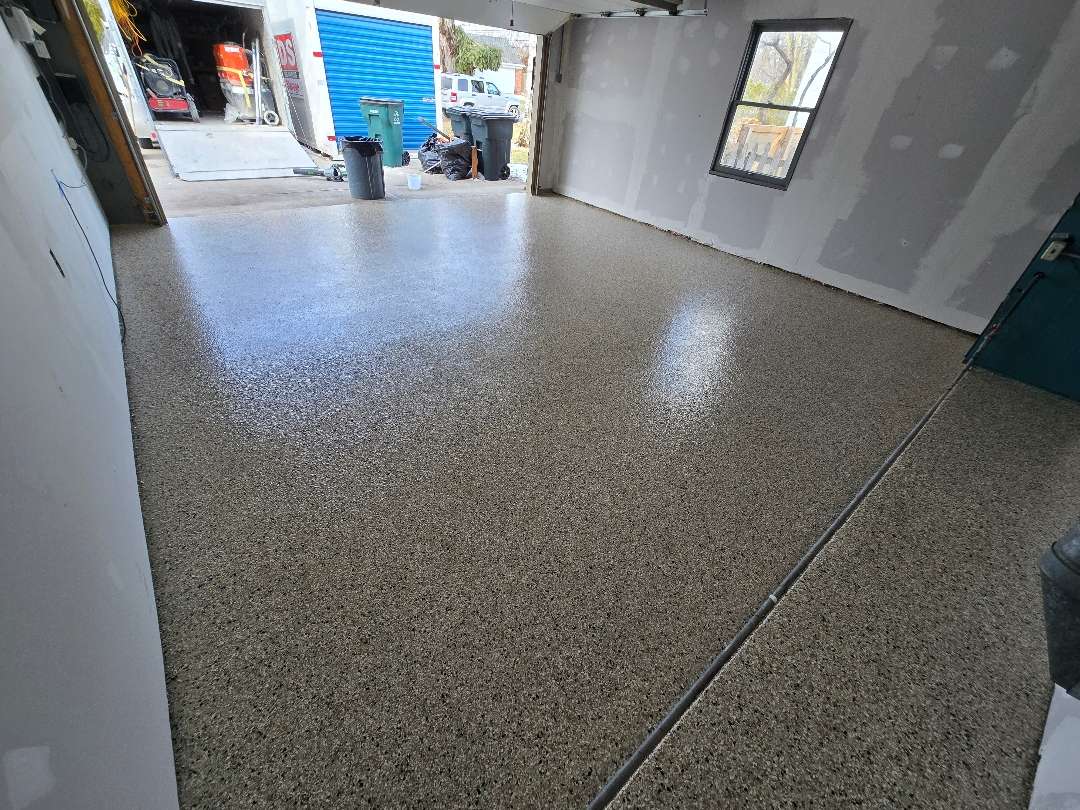
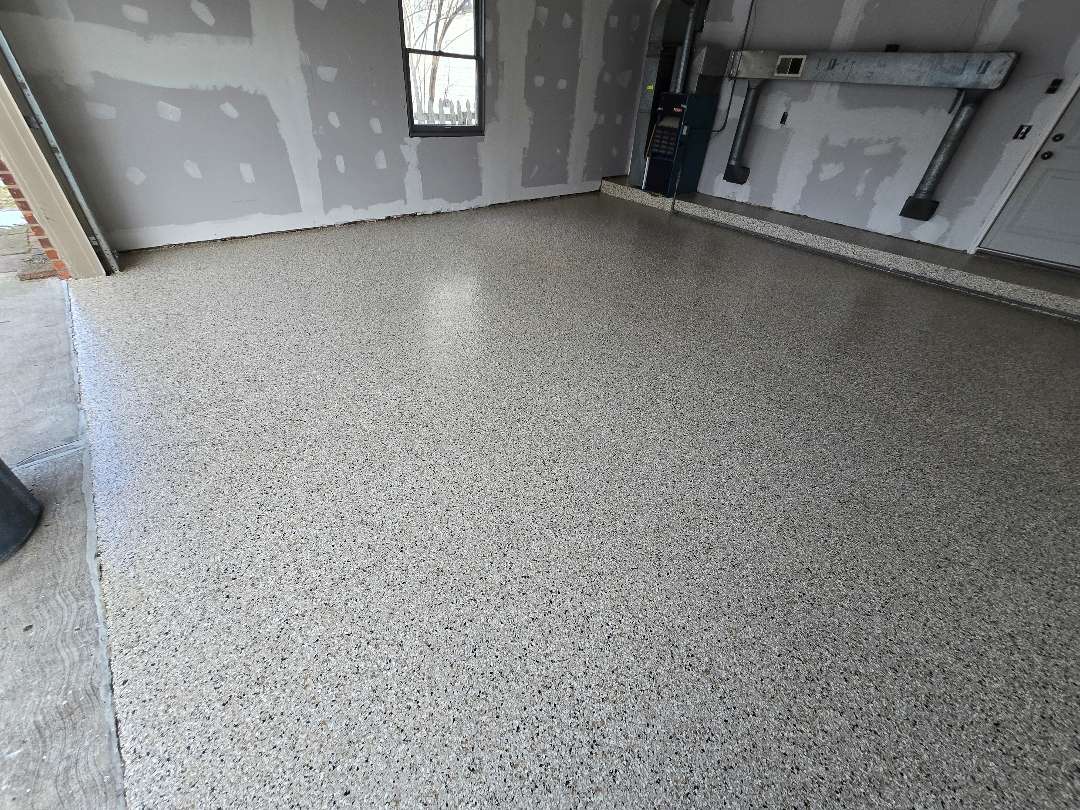
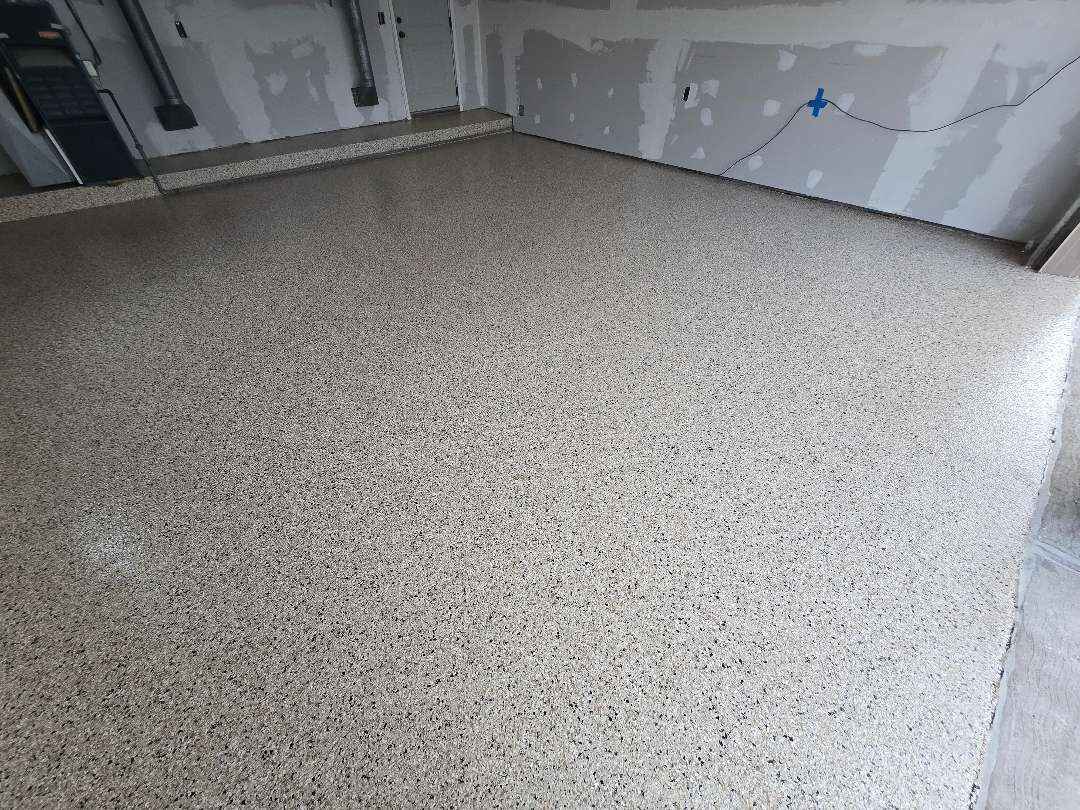
The finished photos tell a striking story. Driftwood flake now covers what was a debris-covered construction slab. The warm, neutral tone complements the space. It gives the garage a finished look even while the surrounding renovation continues. The floor is sealed, protected, and ready for daily use.
Testimonials - Voices of Our Clients
Kevin Keller
Mike
NEW Garage Floor Coating
on Shipman Boulevard
Shipman Boulevard, Birmingham, MI
The Starting Point
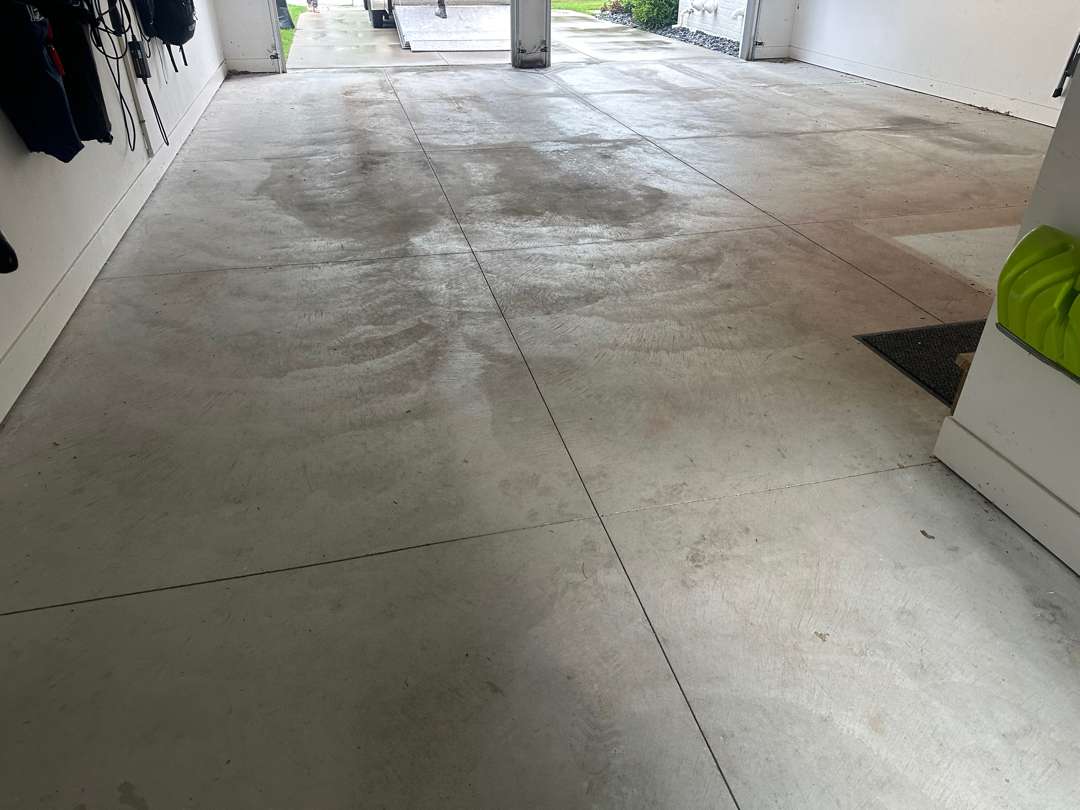
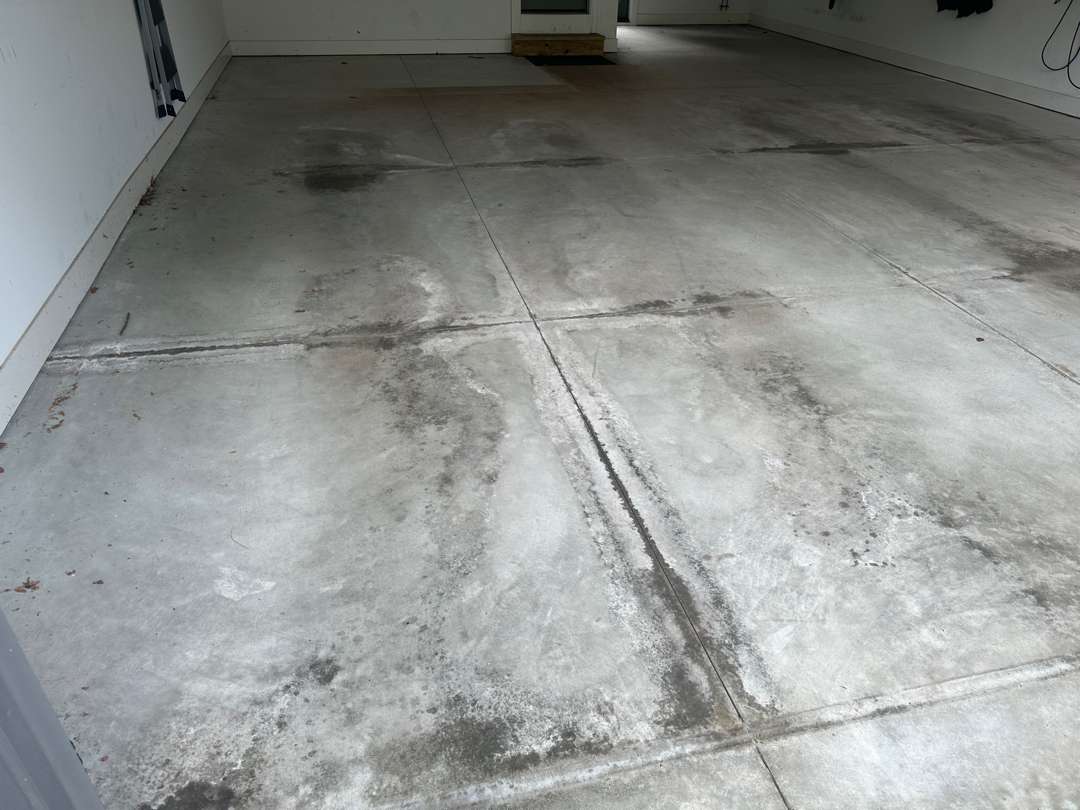
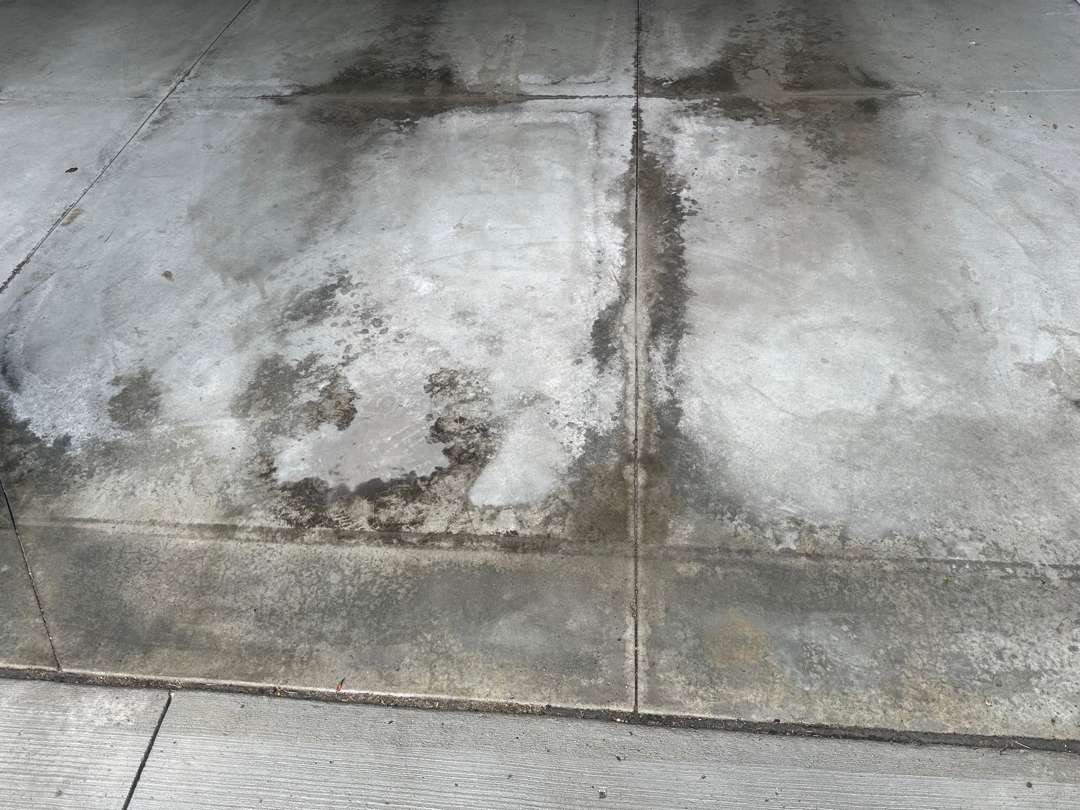
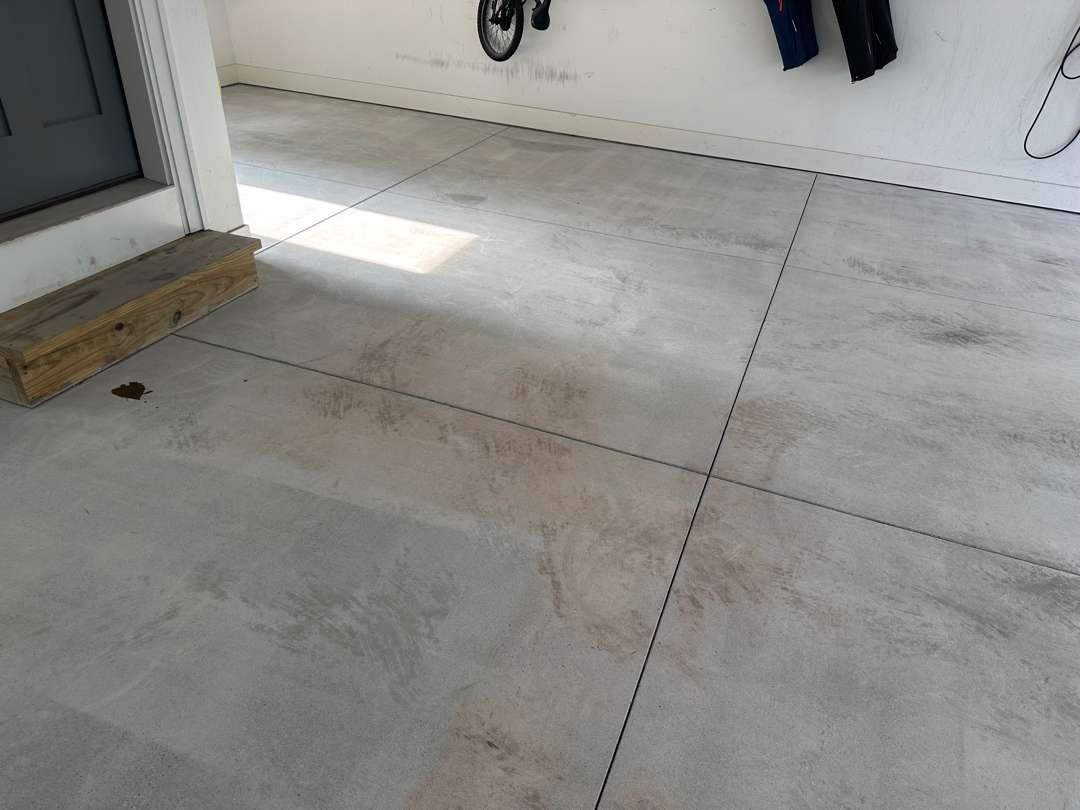
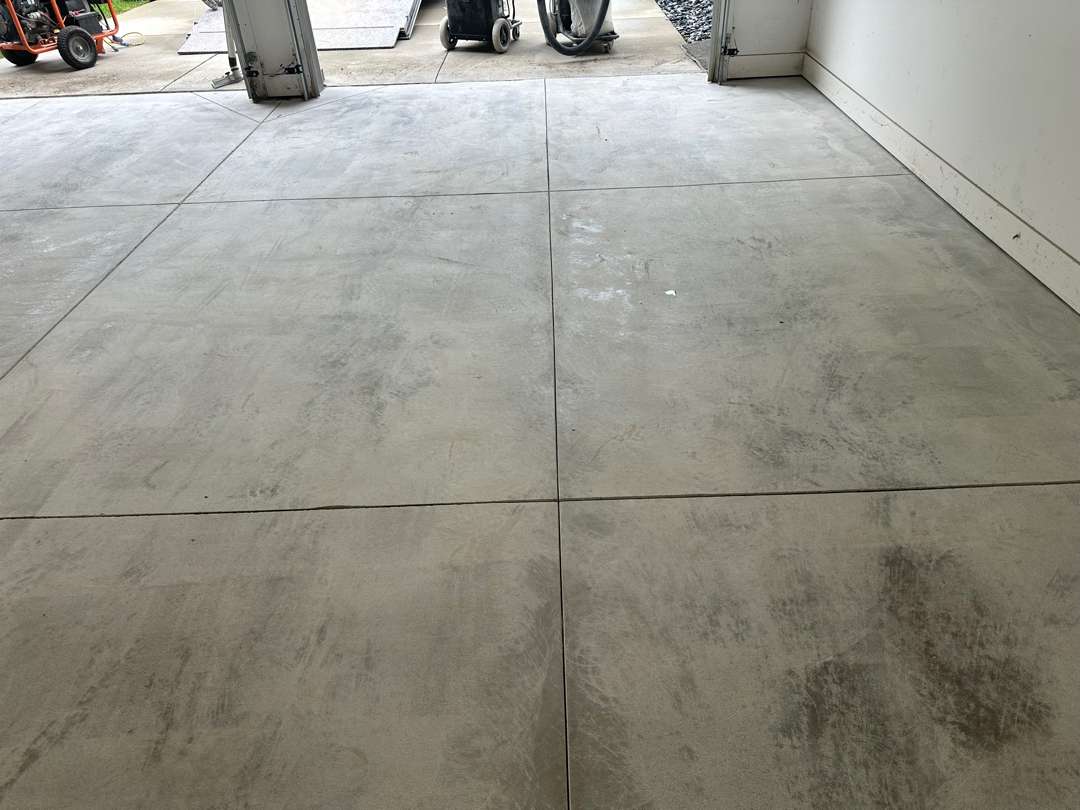
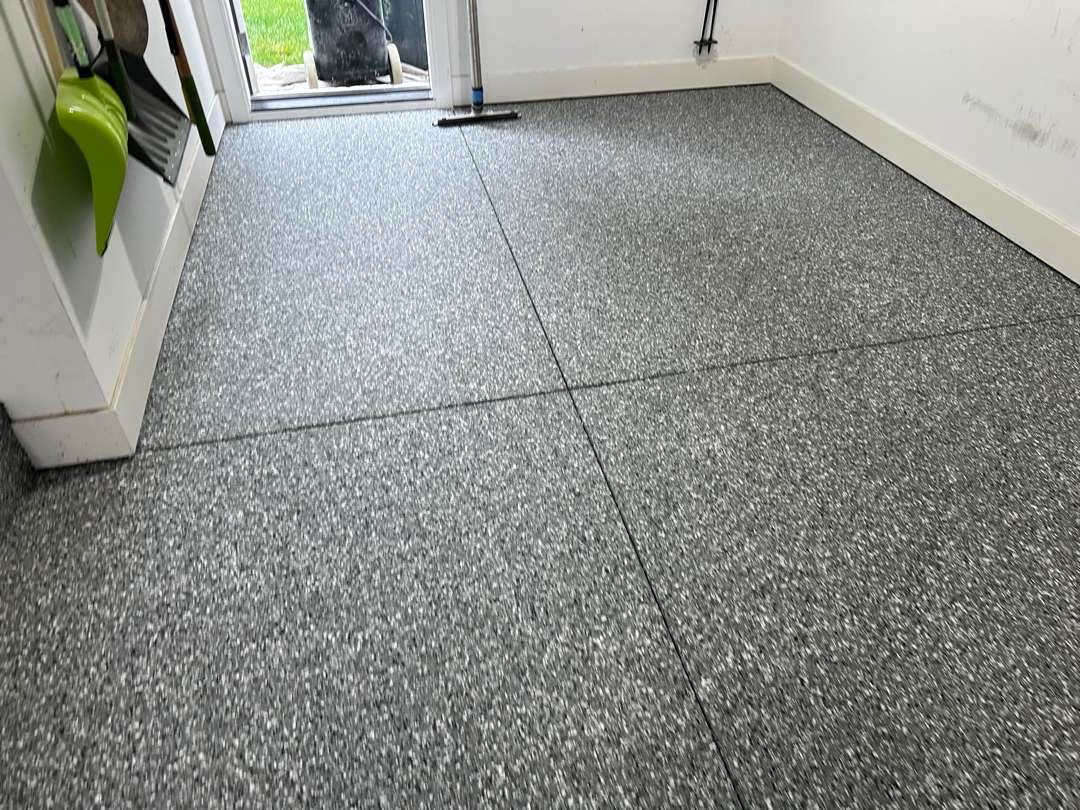
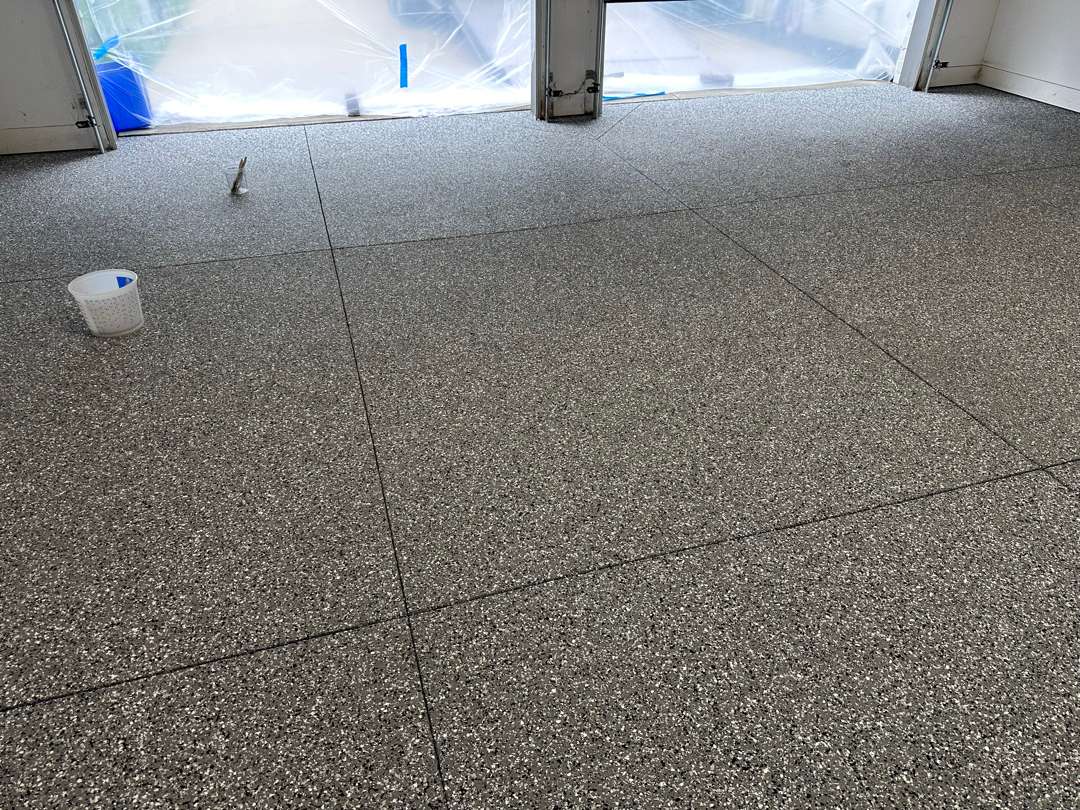
Our crew arrived at this Shipman Boulevard property to find a 740-square-foot garage. The slab was relatively new concrete. The surface showed minimal wear. No cracking, no deep staining, no structural damage. What it did have was a prior painted or flaked coating covering the slab. That existing coating had to come off before anything new could go down.
Removing the Existing Coating
A prior coating on new concrete creates a specific preparation challenge. The bond between the old coating and the slab had to be broken cleanly. Our crew used diamond grinding to remove the existing painted or flaked material. They worked across all 740 square feet. Grinding also opened the pores of the concrete beneath. This gave the new system a sound, mechanical profile to bond to.
Surface Preparation
With the old coating removed, our crew assessed the slab beneath. The concrete was in good structural condition throughout. No pitting required filling. No cracks required repair. Our team cleaned the full surface and prepared it for the MC3.2 coating system.
The Coating System
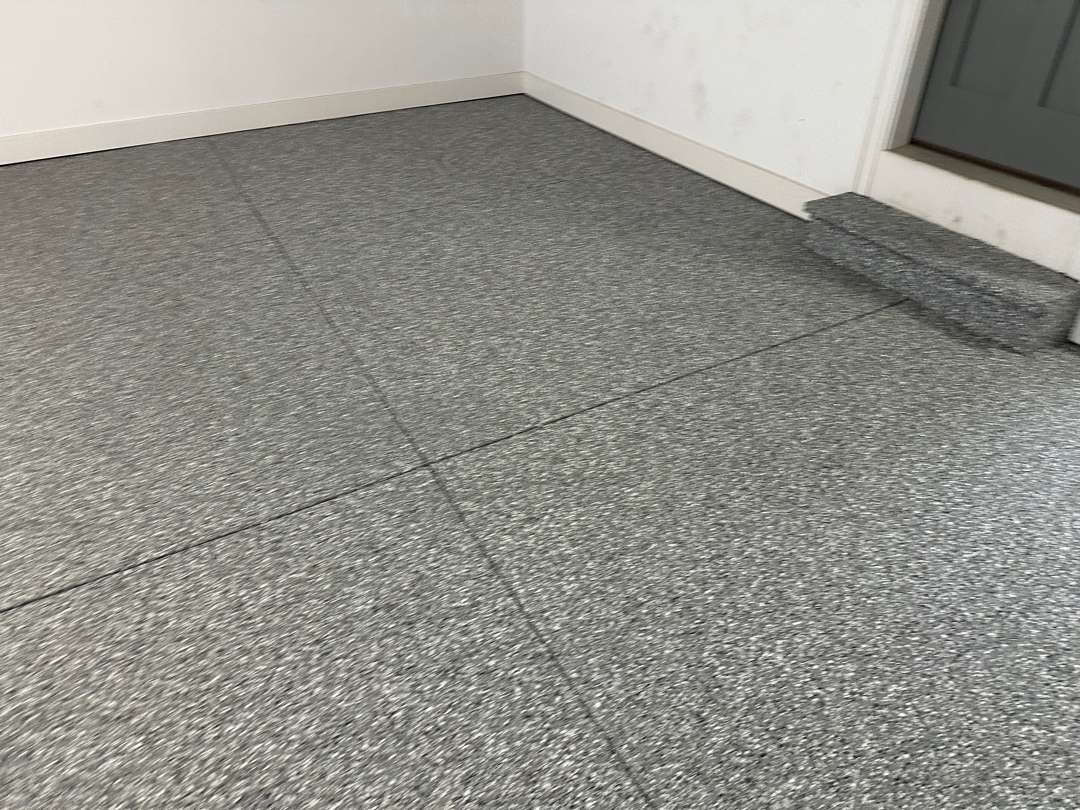
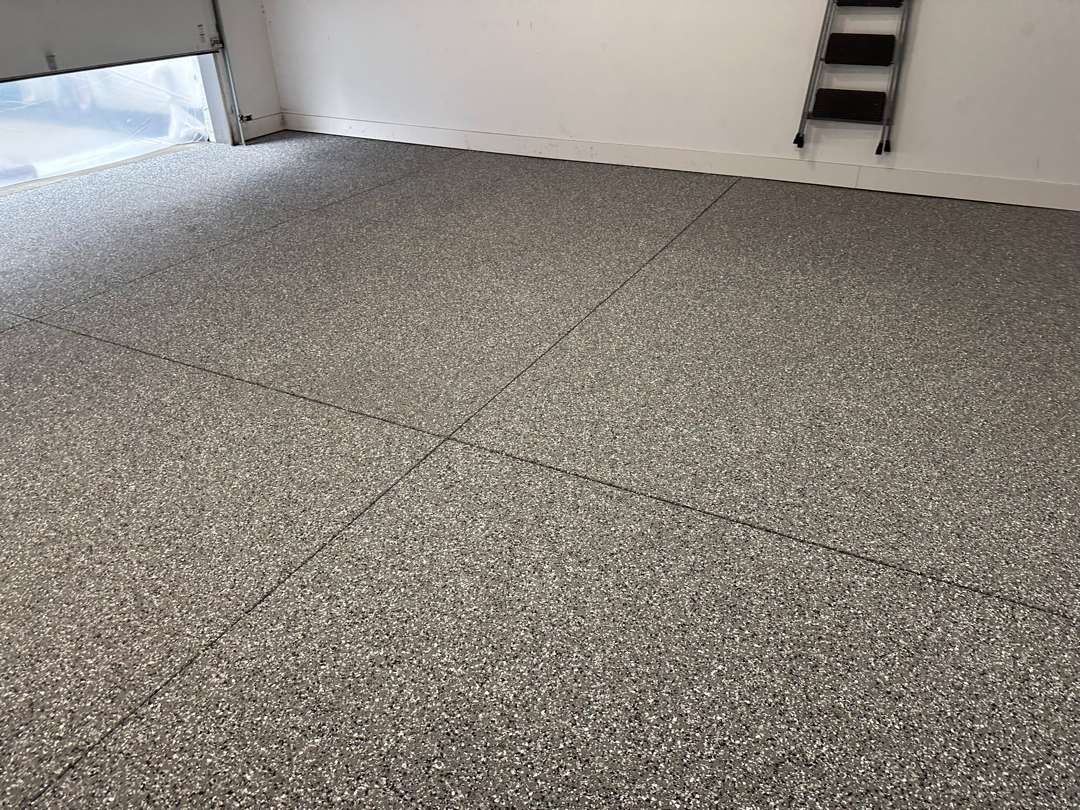
Our crew applied the MC3.2 polyurea-polyaspartic coating system with 24-grit traction. The color selected was Smoke — a deep charcoal blend with dark and light flecks. Our team broadcast the decorative flake across the wet base coat. They then applied the heavy clear topcoat to seal the surface.
One wood step sat at the back of the garage. Our crew coated it to match the main floor. It integrates cleanly with the finished installation.
The Result
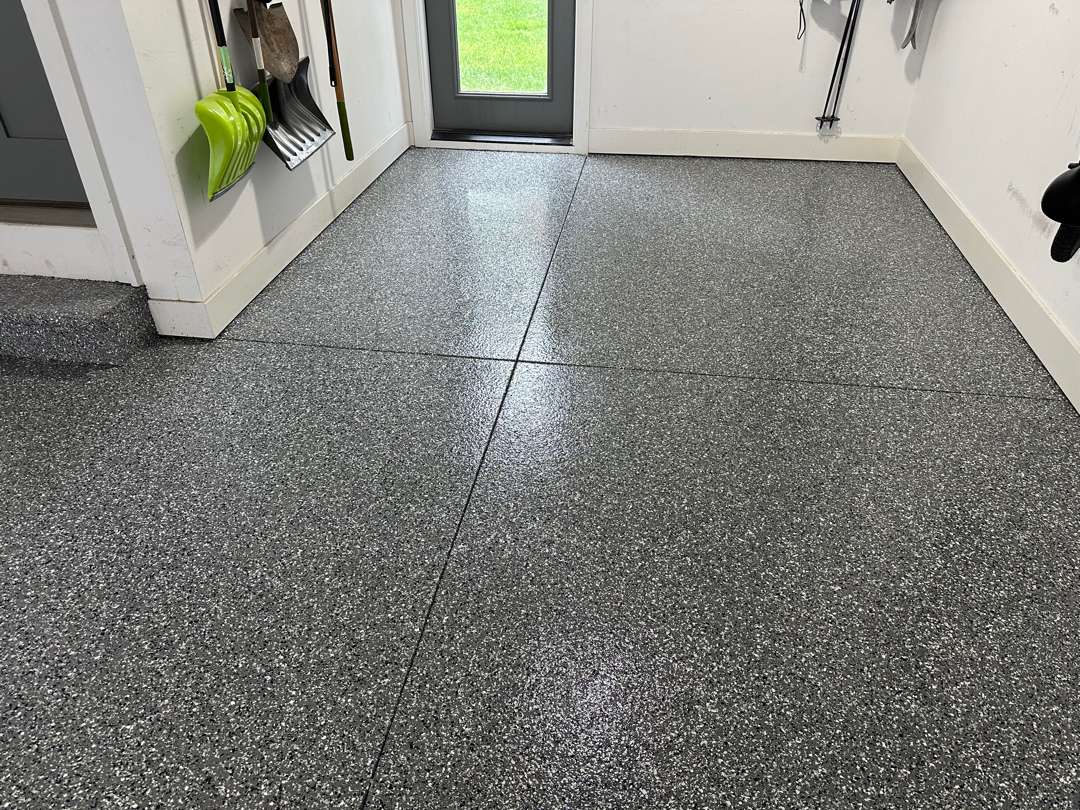

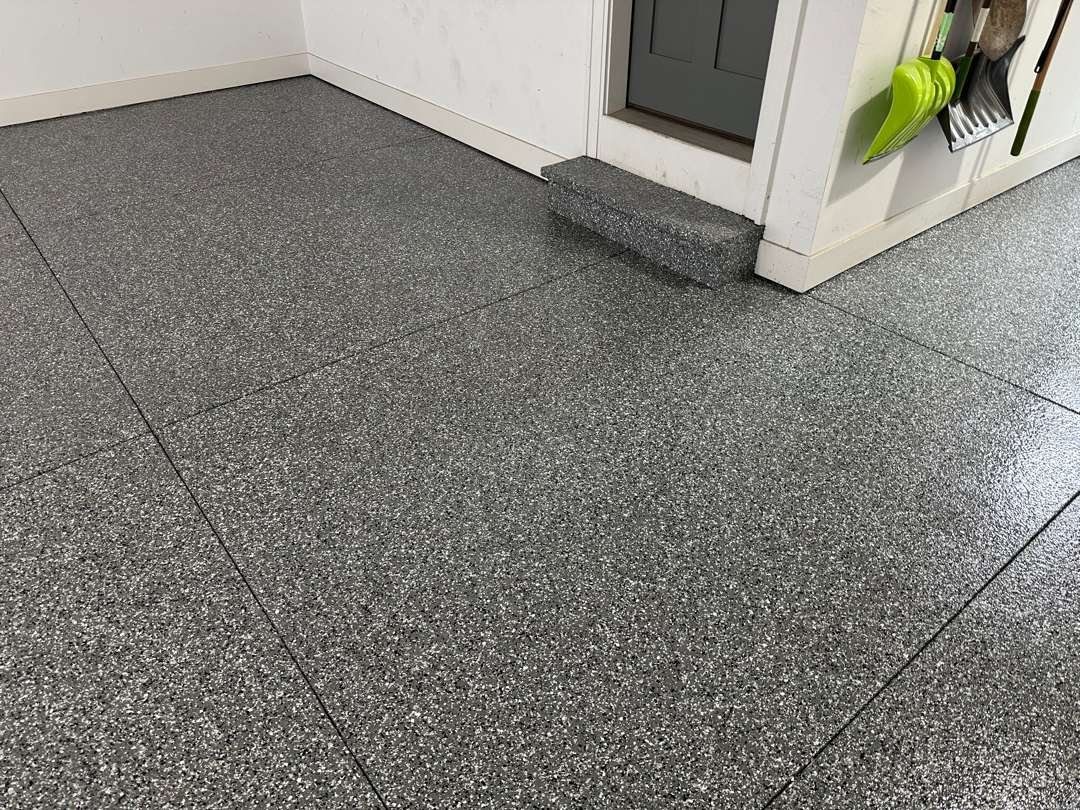
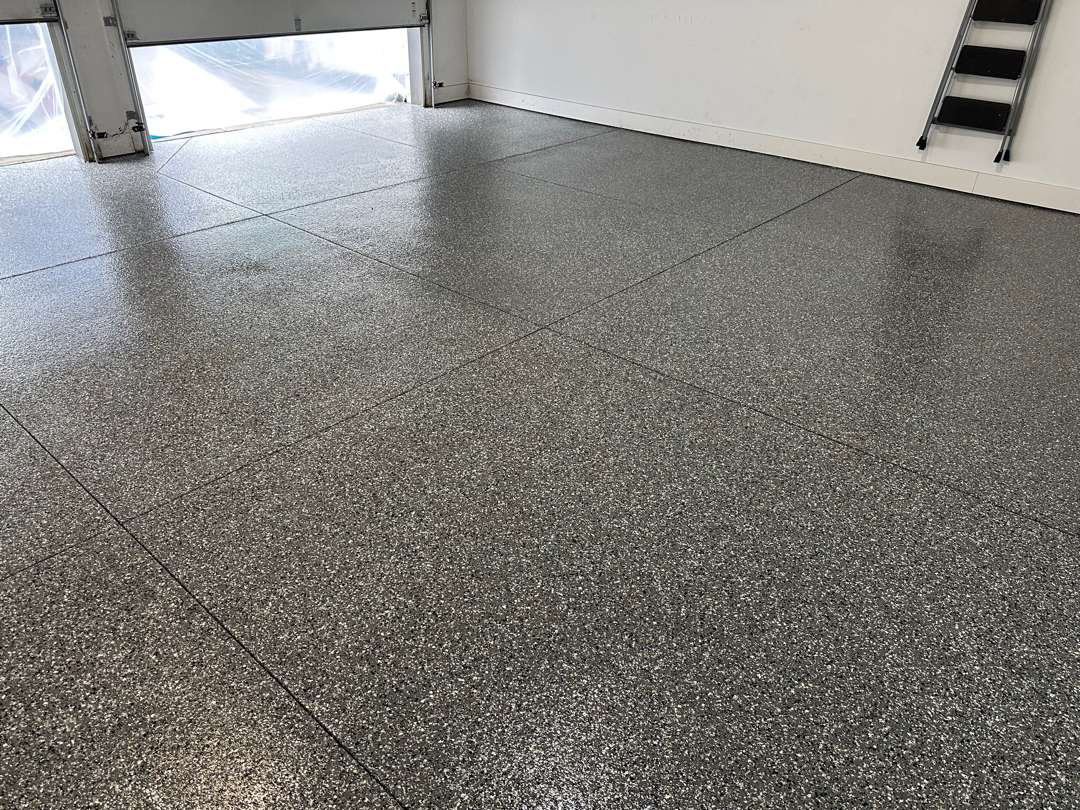
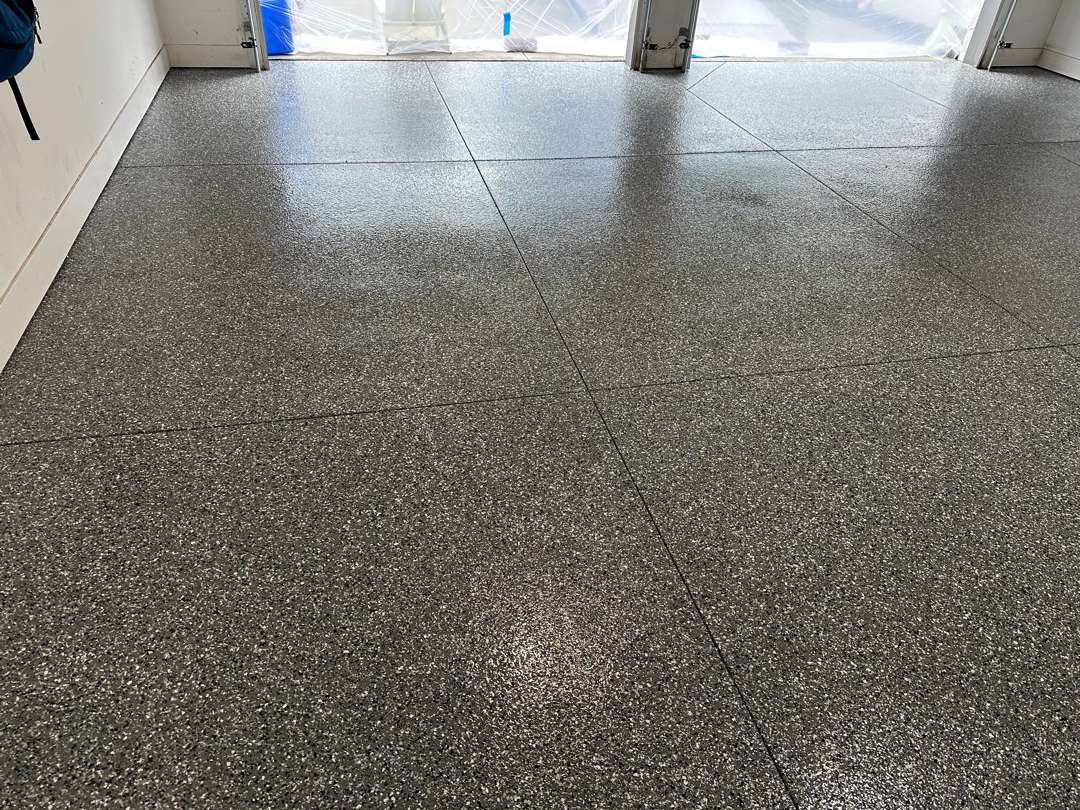
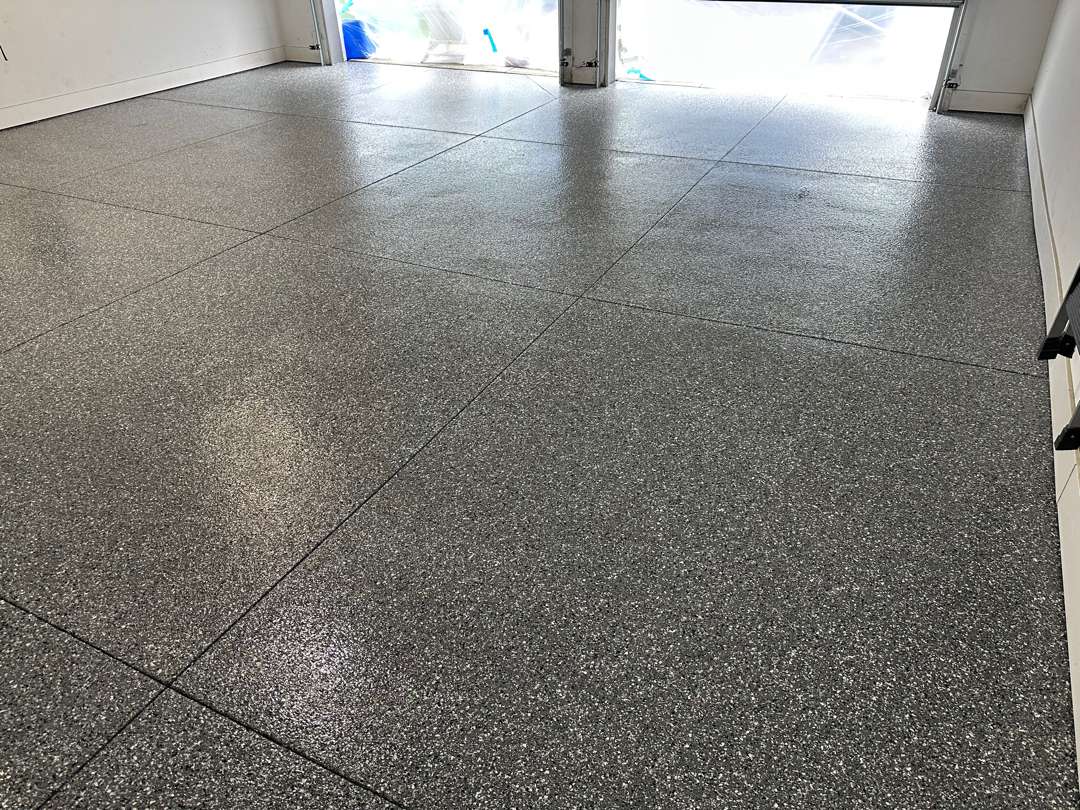
The 740-square-foot floor on Shipman Boulevard is a clean, striking transformation. Smoke gives the space a bold, dark character. It contrasts sharply with the white walls and trim. The topcoat adds depth and sheen to the flake beneath it. The floor is sealed, protected, and ready for years of use.
Testimonials - Voices of Our Clients
Bruce Whittle
Michael Francis
NEW Garage Floor Coating
on Purdy Street
Purdy Street, Birmingham, MI
The Starting Point
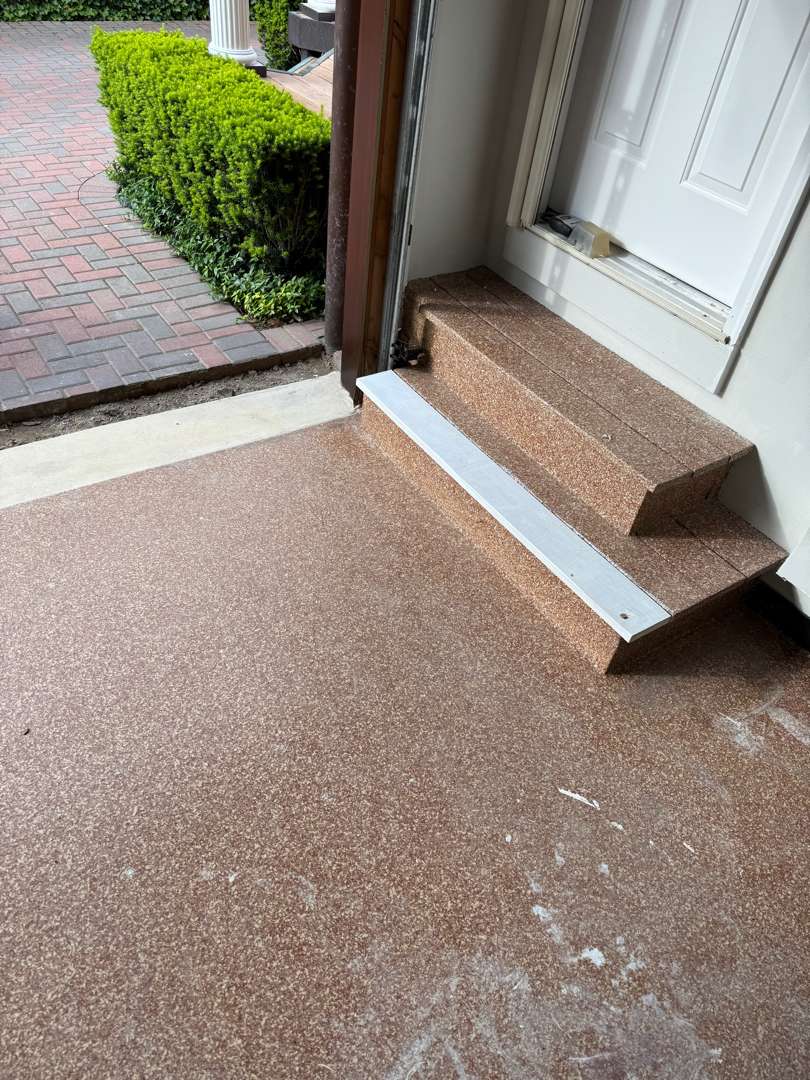
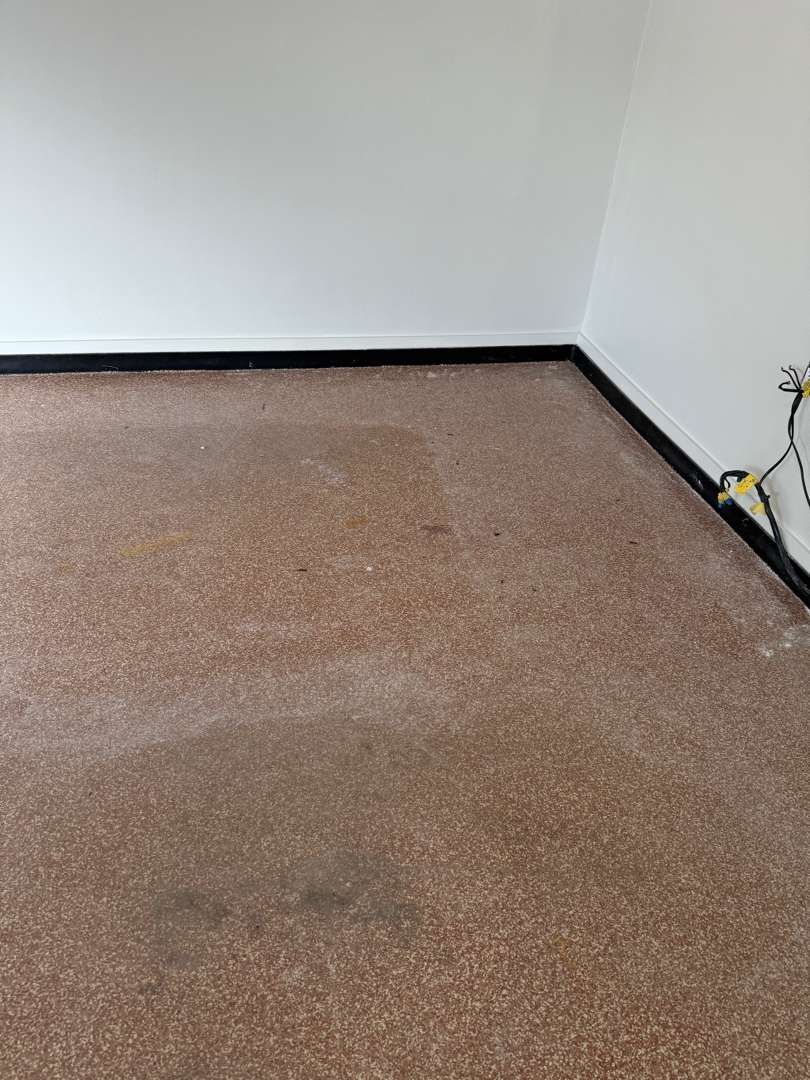
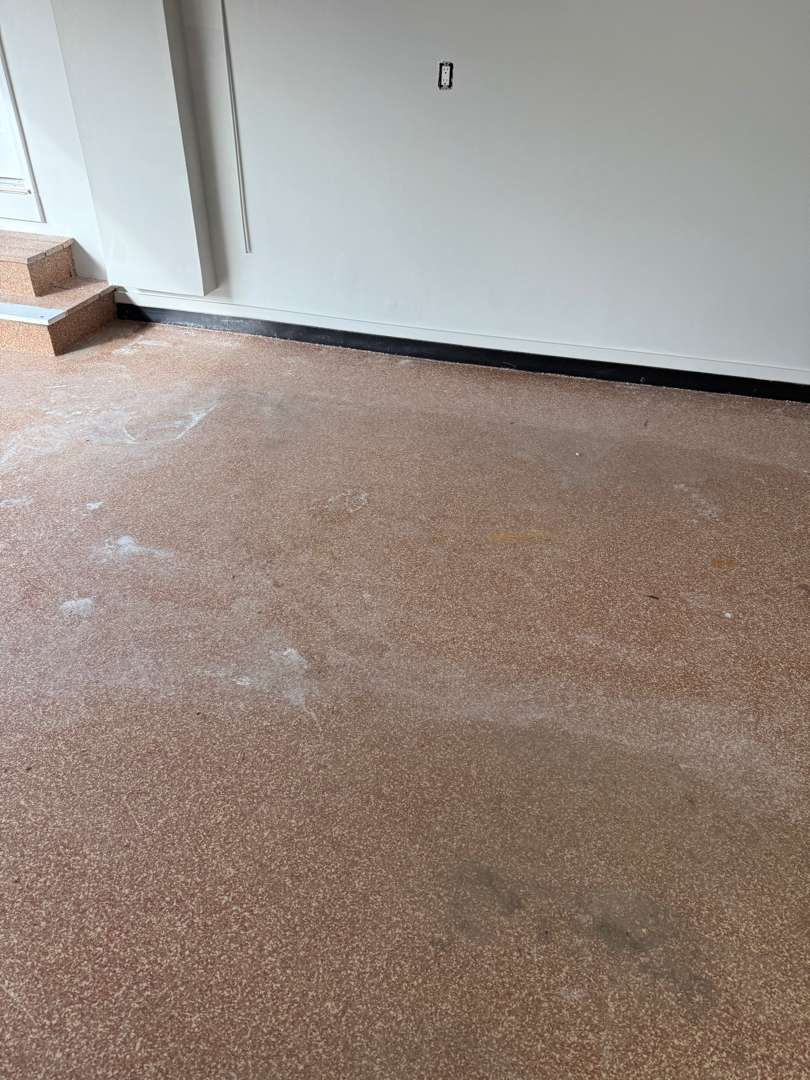
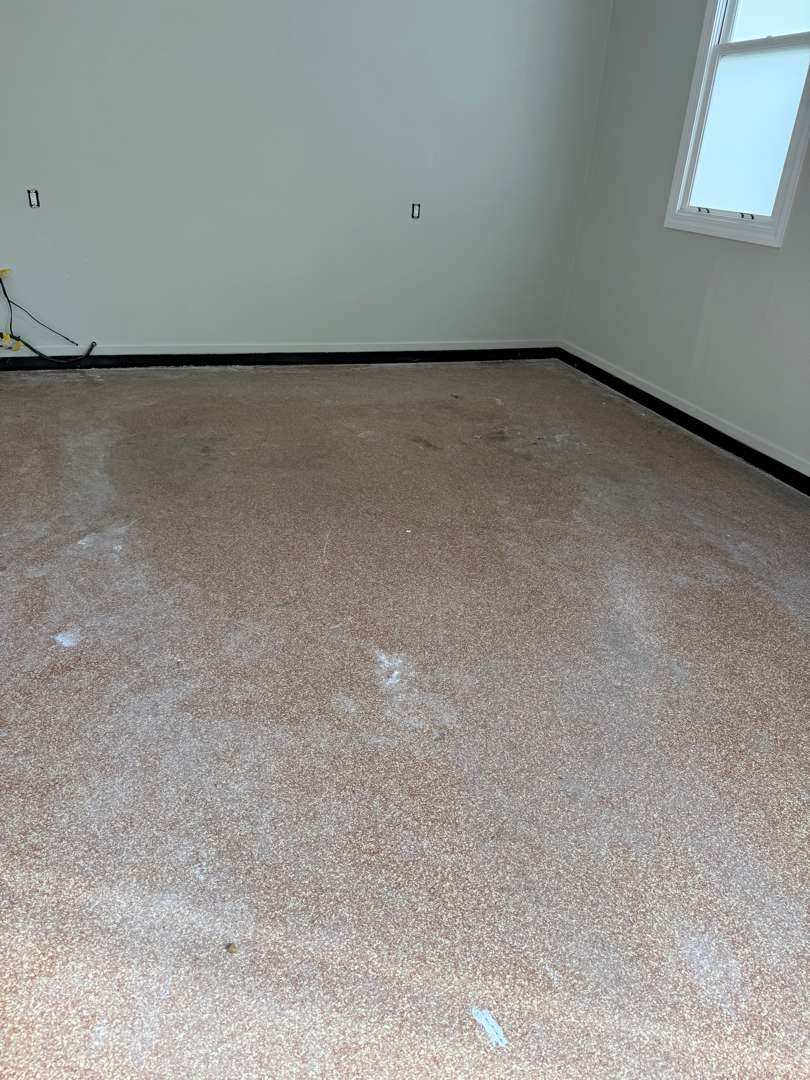
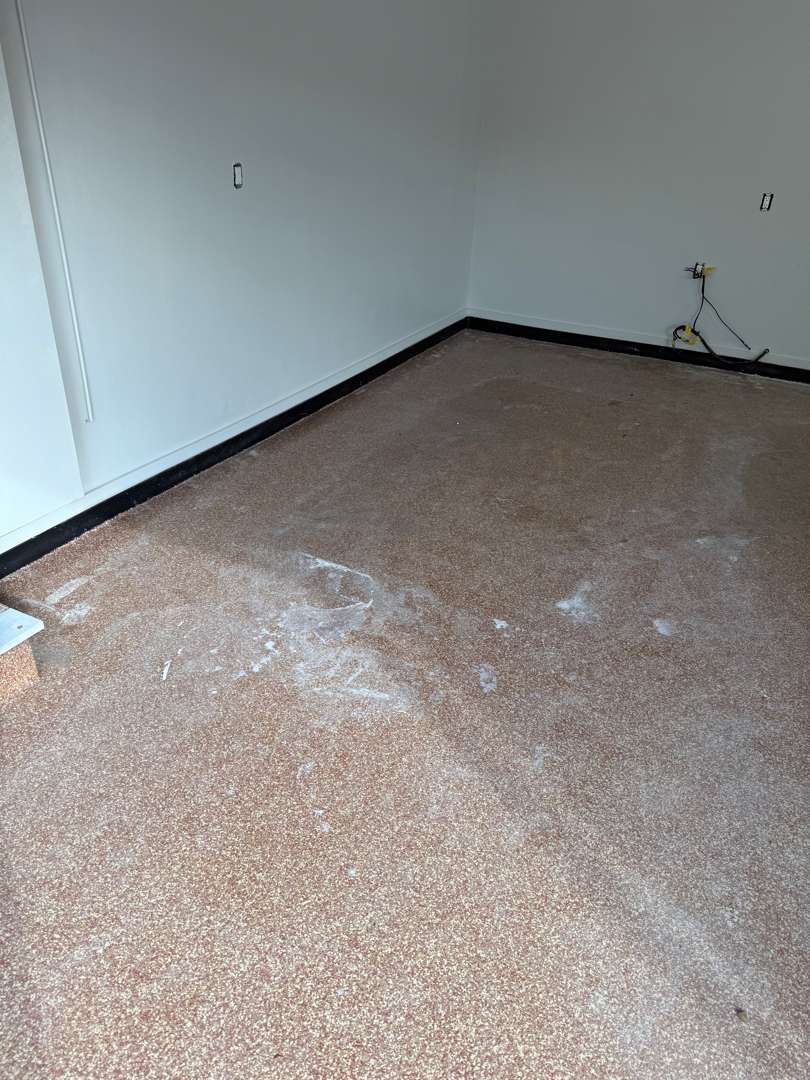
Our crew arrived at this Purdy Street property to find a garage floor that already had a coating on it — but that coating had run its course. The existing reddish-brown flake finish was failing across all 377 square feet. Chalky white patches had spread over the surface where the old system had lost its bond with the concrete beneath. The front lip showed visible deterioration that would need structural repair before anything new could go down. This wasn’t a floor that could simply be coated over. The old system had to come off entirely.
Removing the Old Coating
Diamond grinding began across the full slab. The machines worked pass after pass, stripping the failing flake coating down to bare concrete. What lifted off told the story — the old system had been sitting on a surface it could no longer protect. Once removed, the concrete beneath revealed its true condition. Swirl patterns spread across the floor as each grinding pass opened the pores and cleared the contamination the old coating had been masking. The crew moved methodically from wall to wall, leaving no remnant of the old system behind.
What the Concrete Revealed
With the old coating gone, the cracks became fully visible. They ran in branching patterns across multiple slab sections — not surface-level hairlines, but open splits that had worked their way through the concrete over time. Several cracks converged near the center of the slab, forming a branching network that required careful repair work. The front lip, already flagged before the job started, confirmed the crew’s assessment: the edge had deteriorated and needed rebuilding before it could accept a coating.
Crack Repair and Front Lip Rebuild
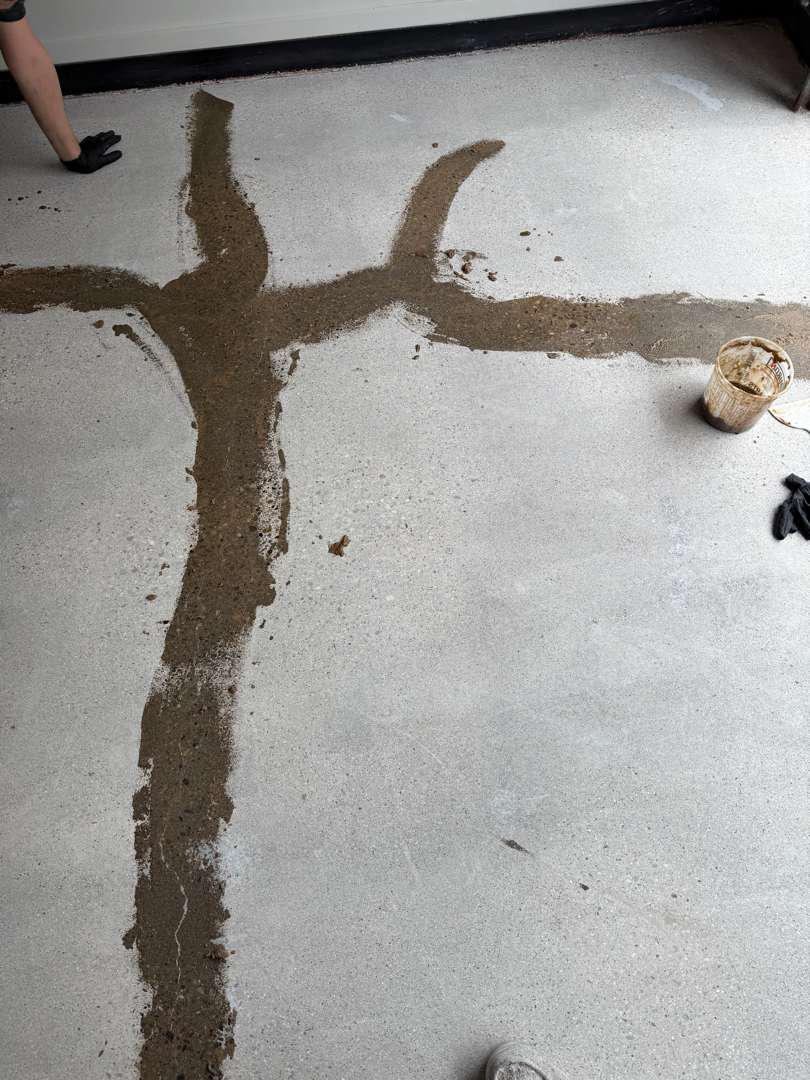
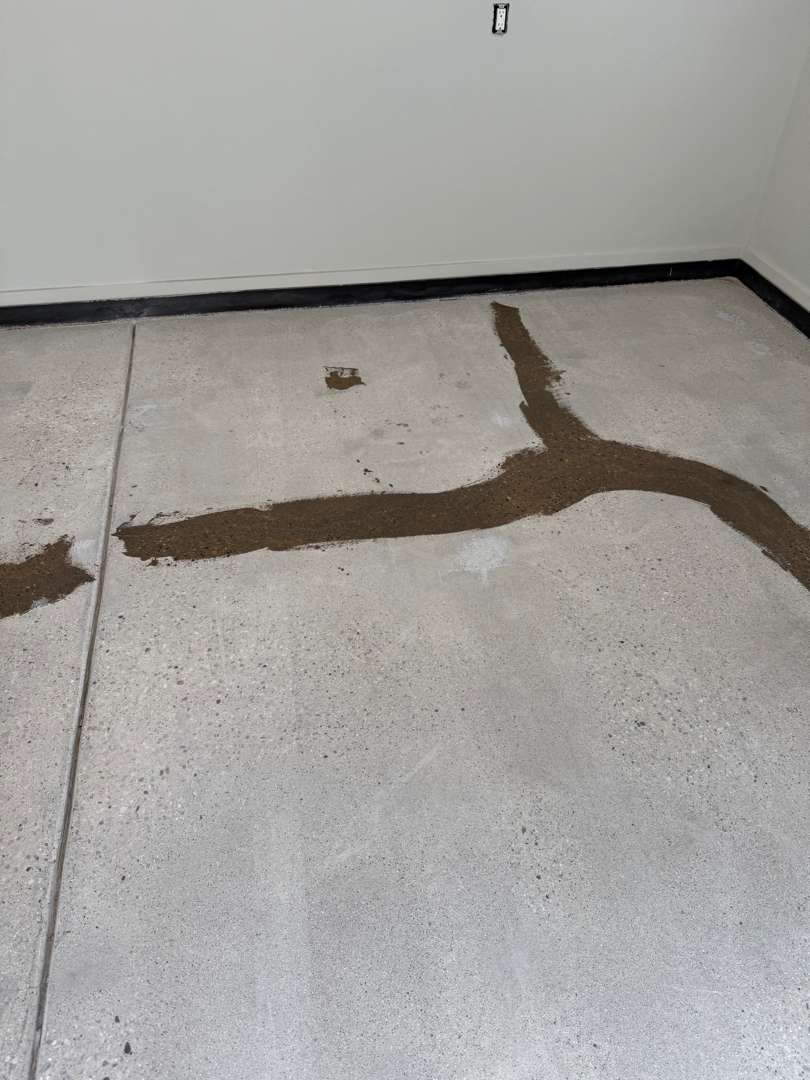
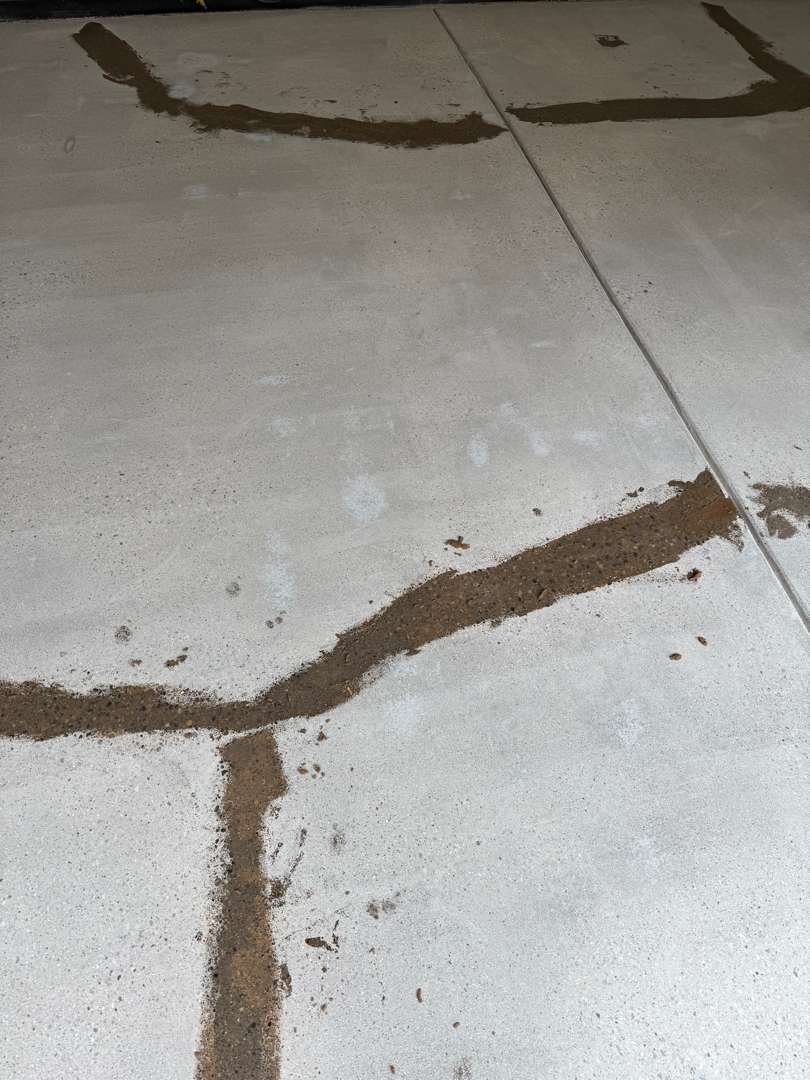
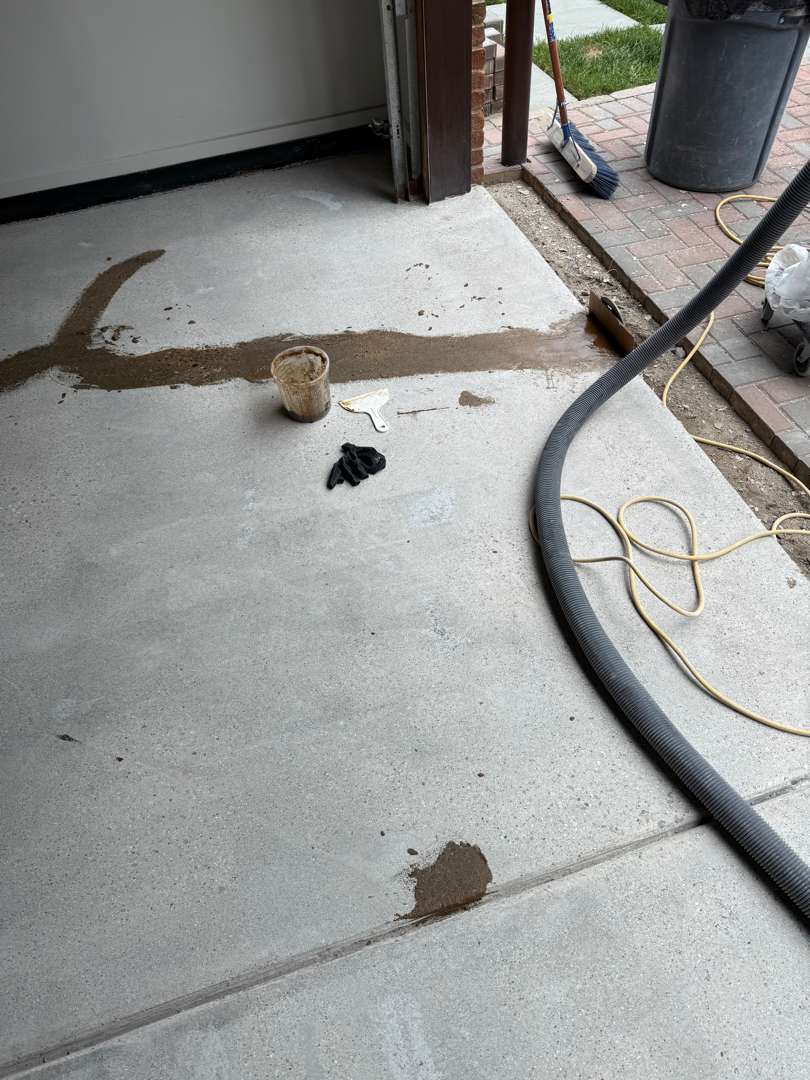

Our crew applied mender compound directly into each crack across the slab. The repair photos show the brown compound tracing the full length of every split — along slab joints, across the center sections, and up toward the walls. Each void was filled, worked in, and leveled flush with the surrounding surface. The front lip received the same focused attention. Our crew rebuilt the damaged edge with mender compound, restoring it to a solid, coatable profile. A repaired lip holds. A skipped repair fails.
Second Grind

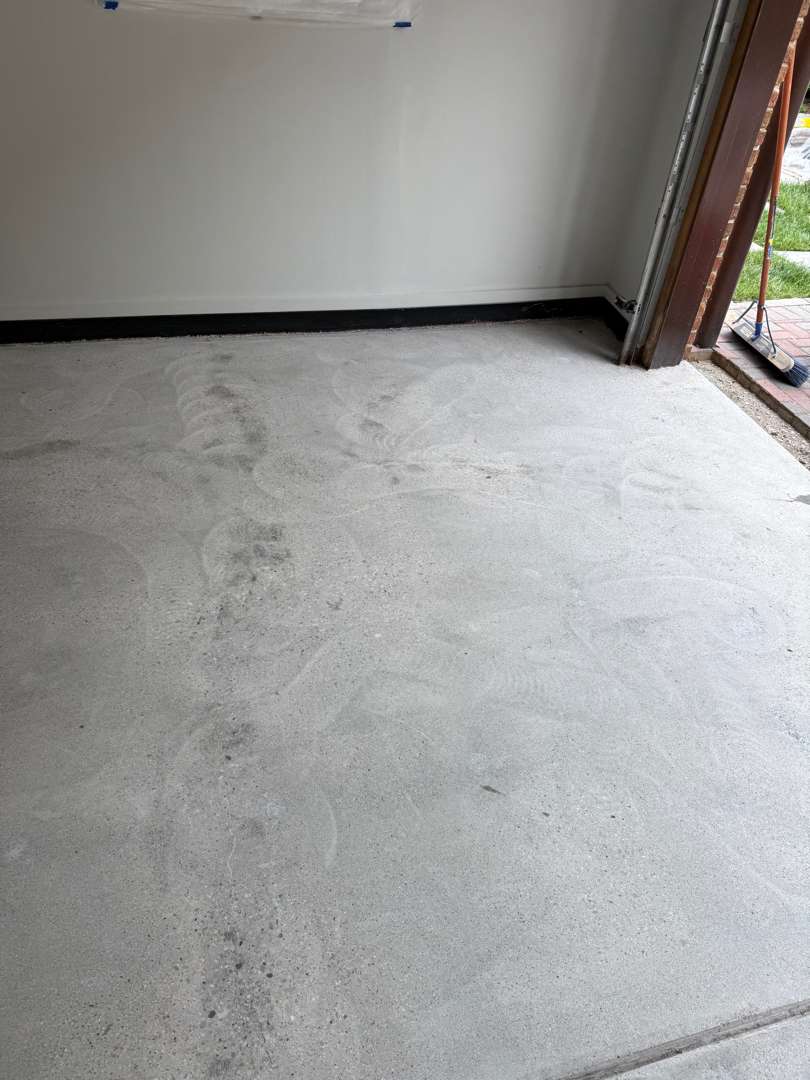


With the repairs cured, our crew ran a second grind across the full 377 square feet. This pass brought the patched areas flush with the surrounding concrete and produced a consistent surface profile from edge to edge. The floor came out of this phase flat, clean, and ready. No high spots. No loose material. Nothing left that would compromise the system above it.
The Coating System
The homeowner selected Silvercreek — a cool charcoal blend carrying dark and light grey flecks throughout. Our crew applied the polyurea-polyaspartic coating system with 36-grit traction integrated throughout. The decorative flake was broadcast across the wet base coat, then the heavy clear topcoat was applied to lock the flakes in and seal the surface. The two concrete steps received the full system to match the main floor. The front lip was coated as specified — sealed and protected, but applied without flake to keep the edge clean and precise. That detail matters on a surface that had already required structural repair.
The Result

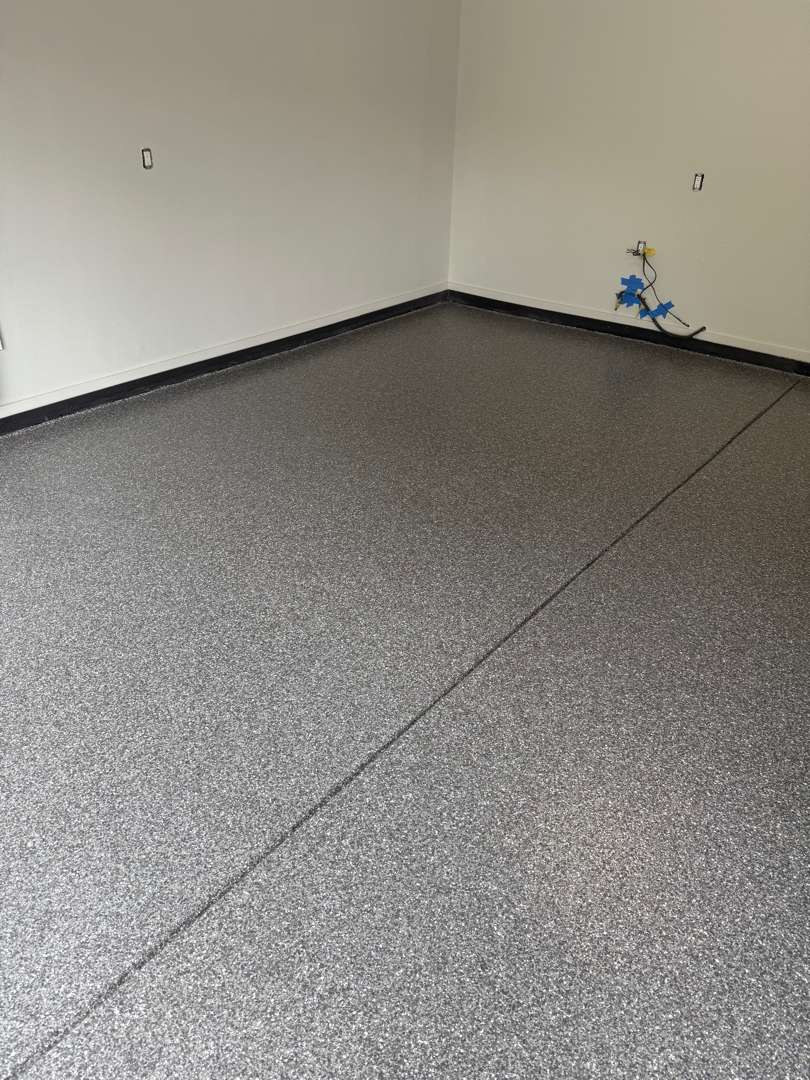
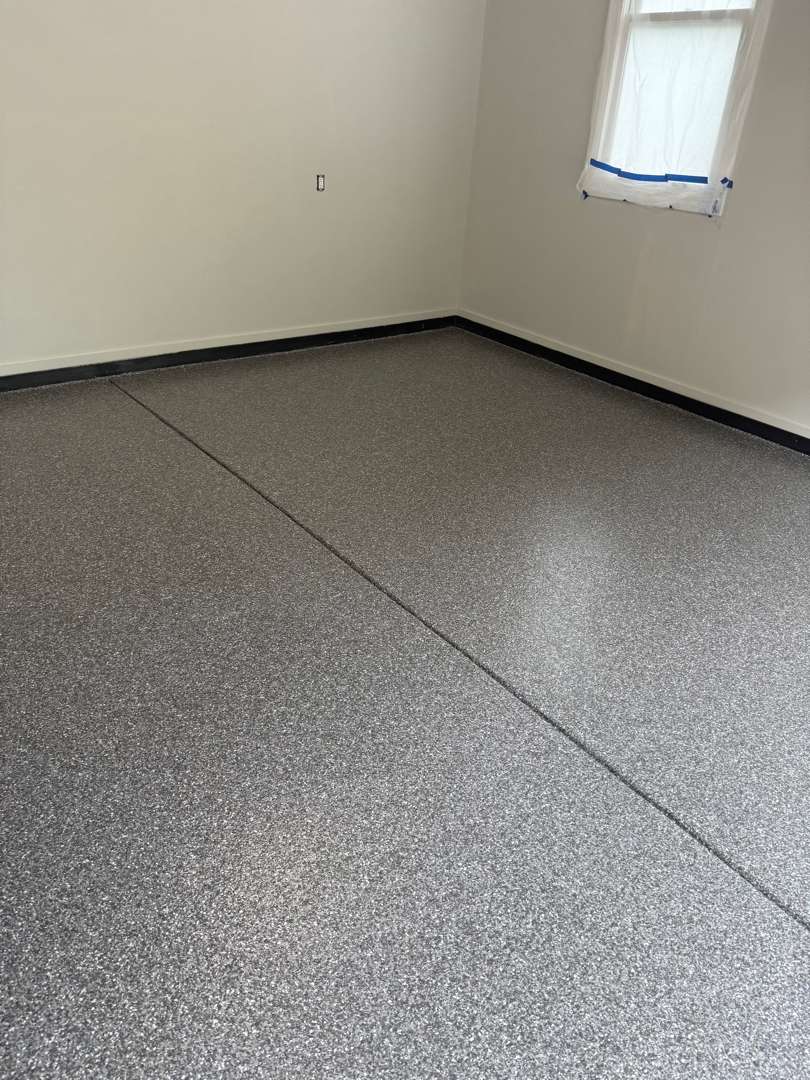
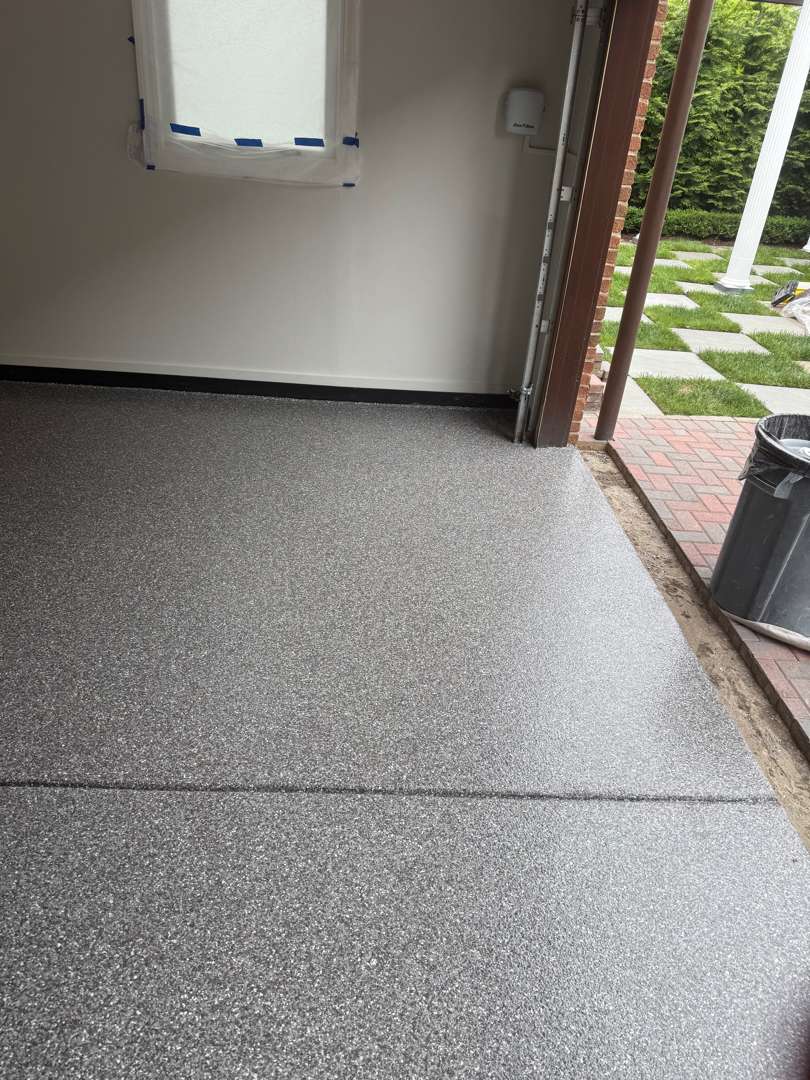
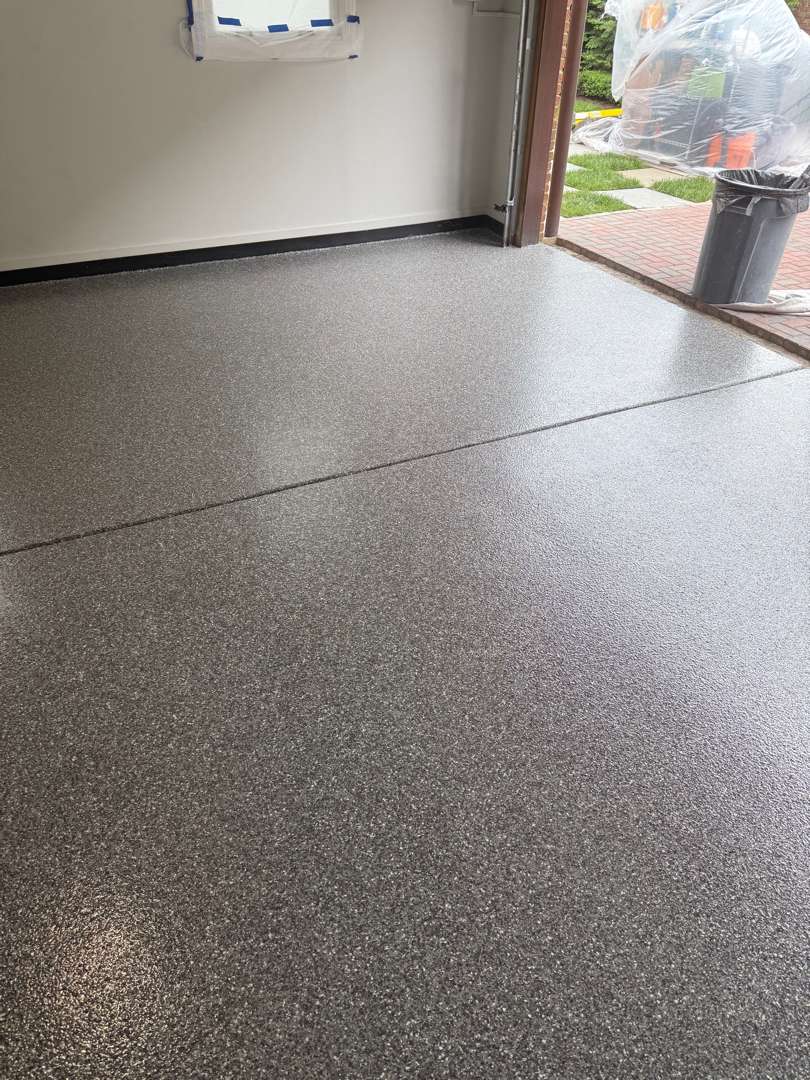
The before-and-after on Purdy Street tells the complete story. What started as a chalky, failing reddish-brown coating over cracked and deteriorating concrete became a clean Silvercreek installation — dark charcoal flake running wall to wall, steps integrated seamlessly, front lip rebuilt and properly protected. The 36-grit traction provides confident grip underfoot. The sealed surface now handles vehicle traffic, foot traffic, and Michigan’s freeze-thaw cycles without complaint.
Testimonials - Voices of Our Clients
J Golem
We had our garage floor finished through this company. Bryan from sales was SUPER professional, friendly and helpful.
There was a miscommunication with how my flooring was supposed to be on the outside of the house and they took care of it and fixed it! Then the area was slippery and they still took care of it!!!! This company is amazing! No wonder they have such high reviews!
Darla Barnes
NEW Garage Floor Coating
on Ridgedale Avenue
Ridgedale Avenue, Birmingham, MI
The Starting Point
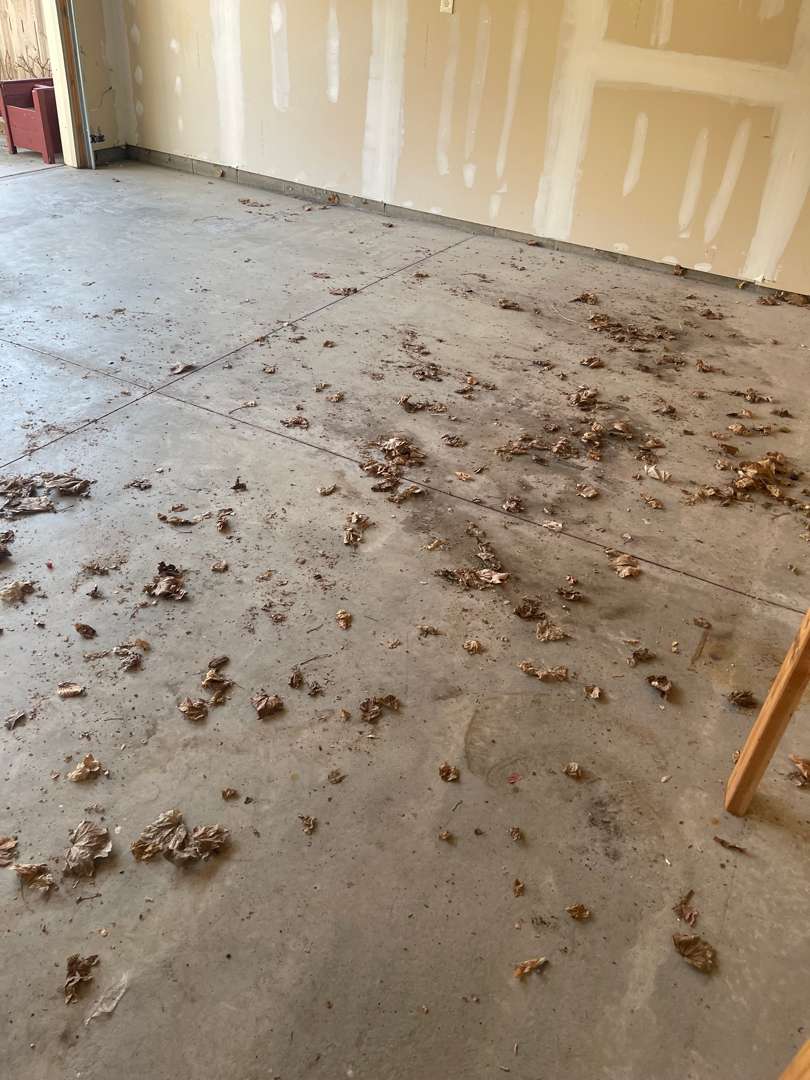
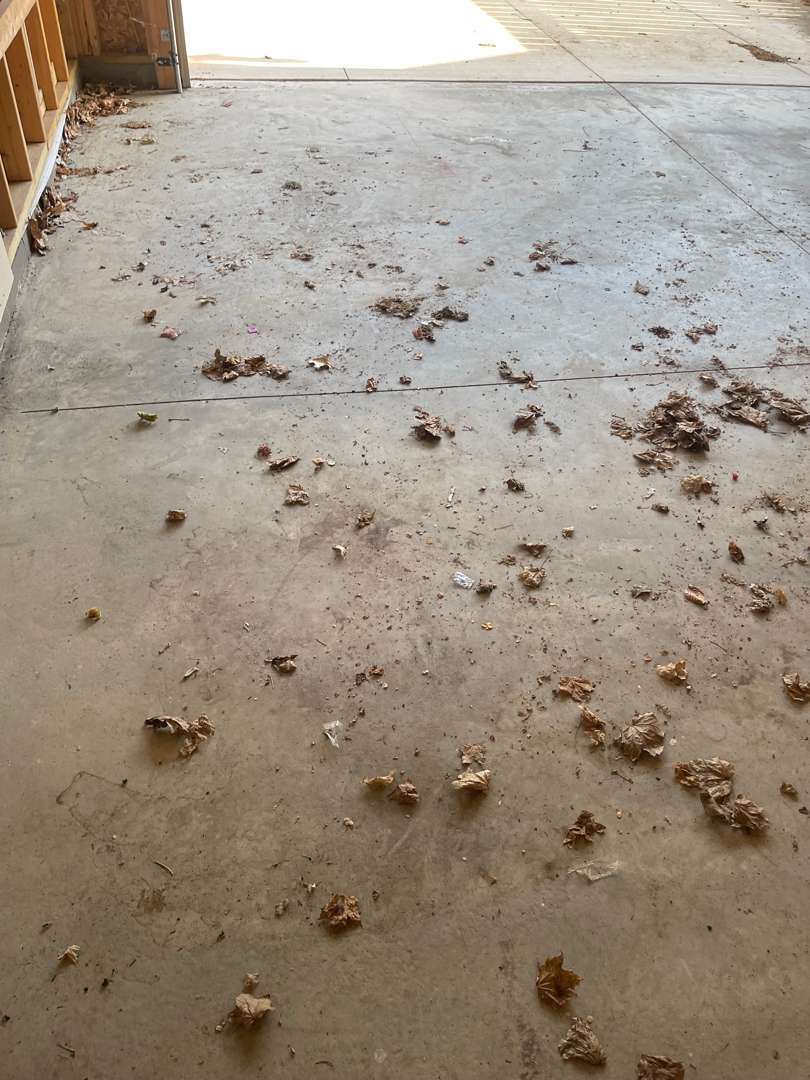

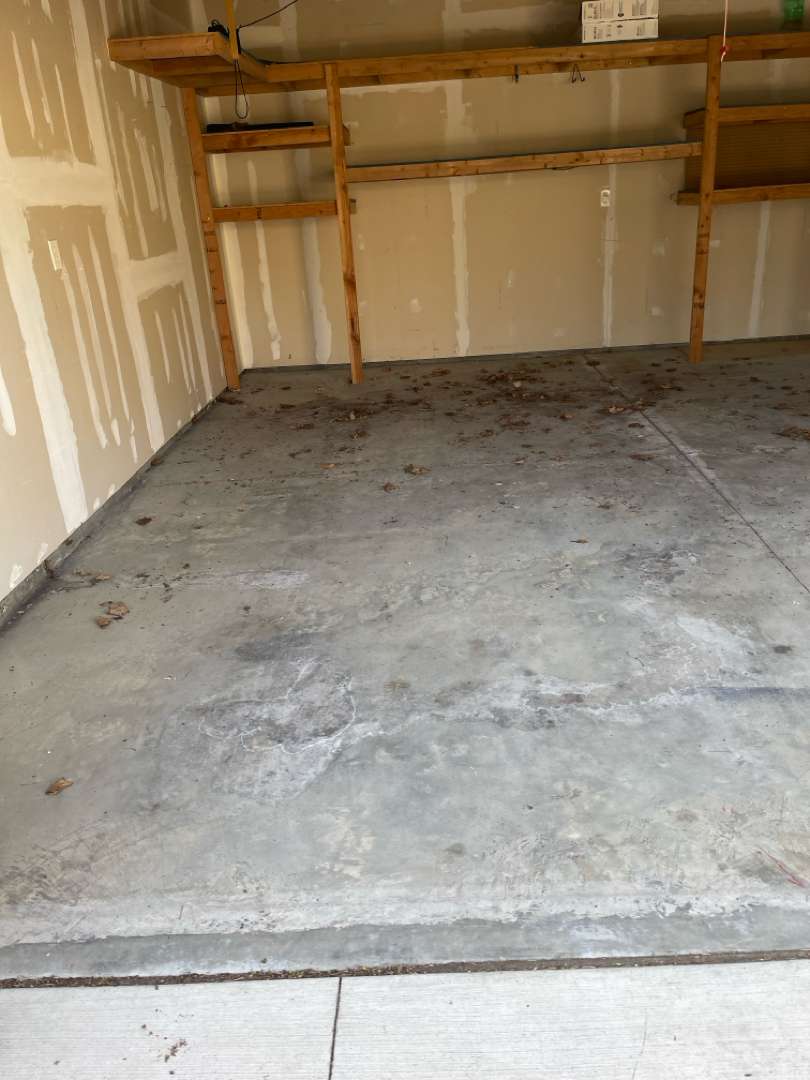
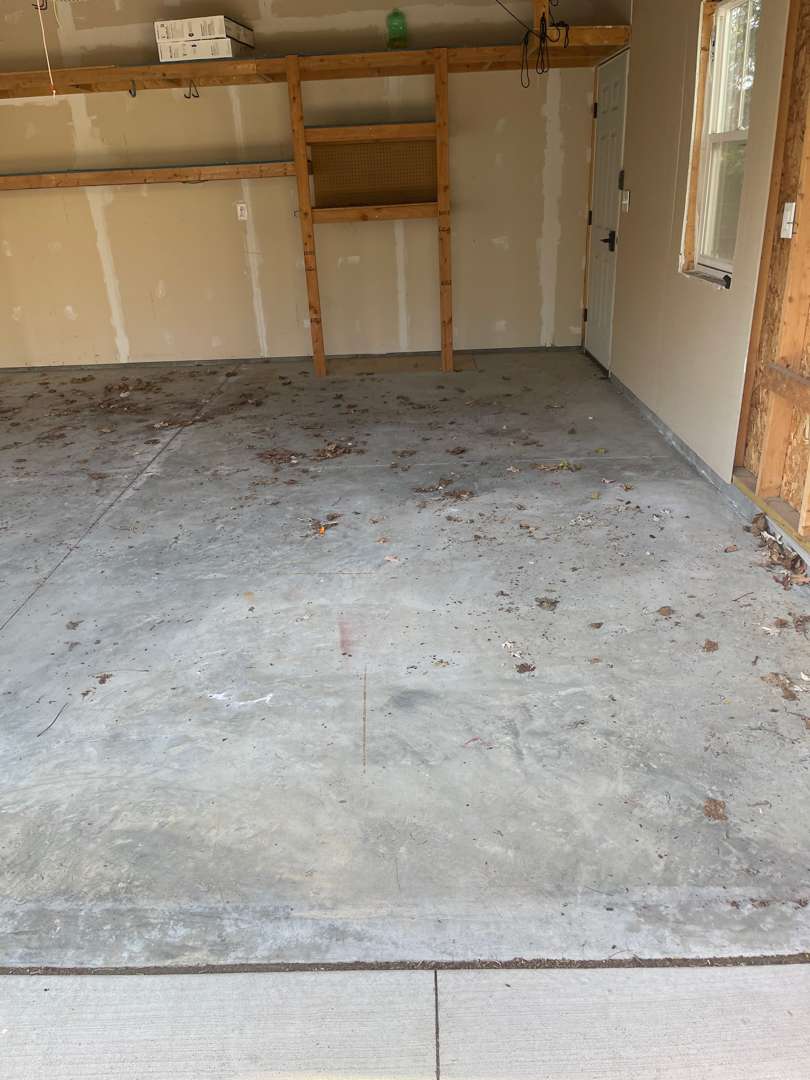
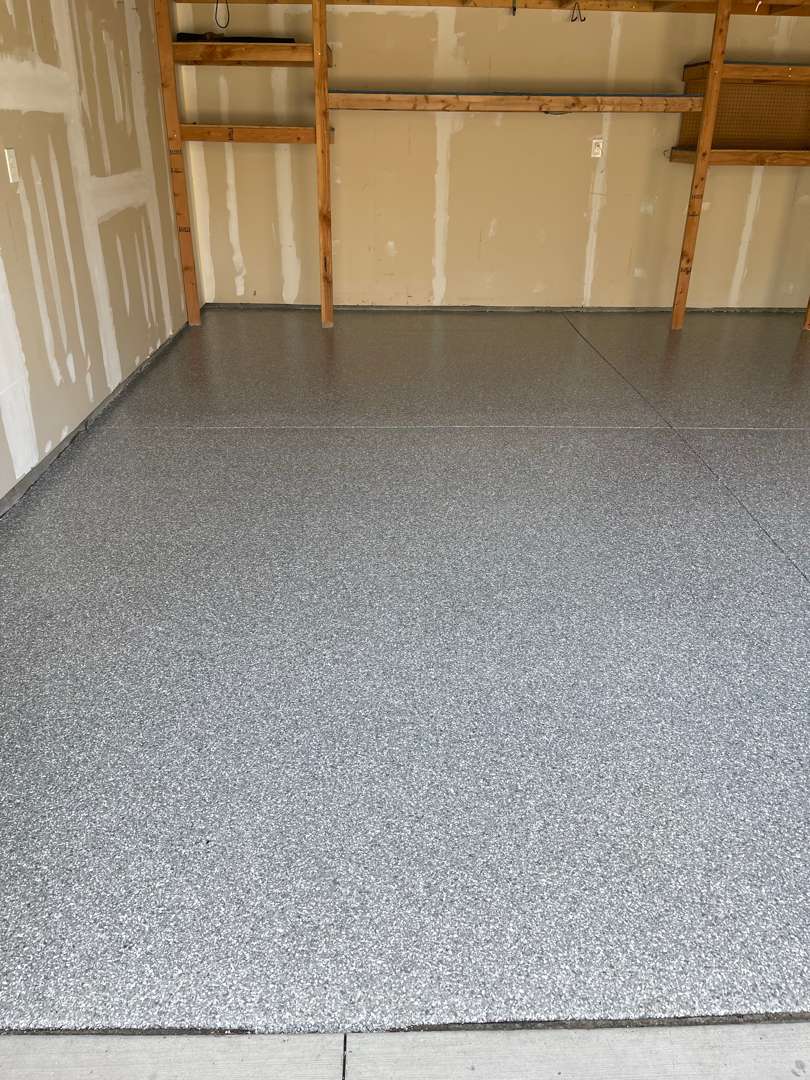
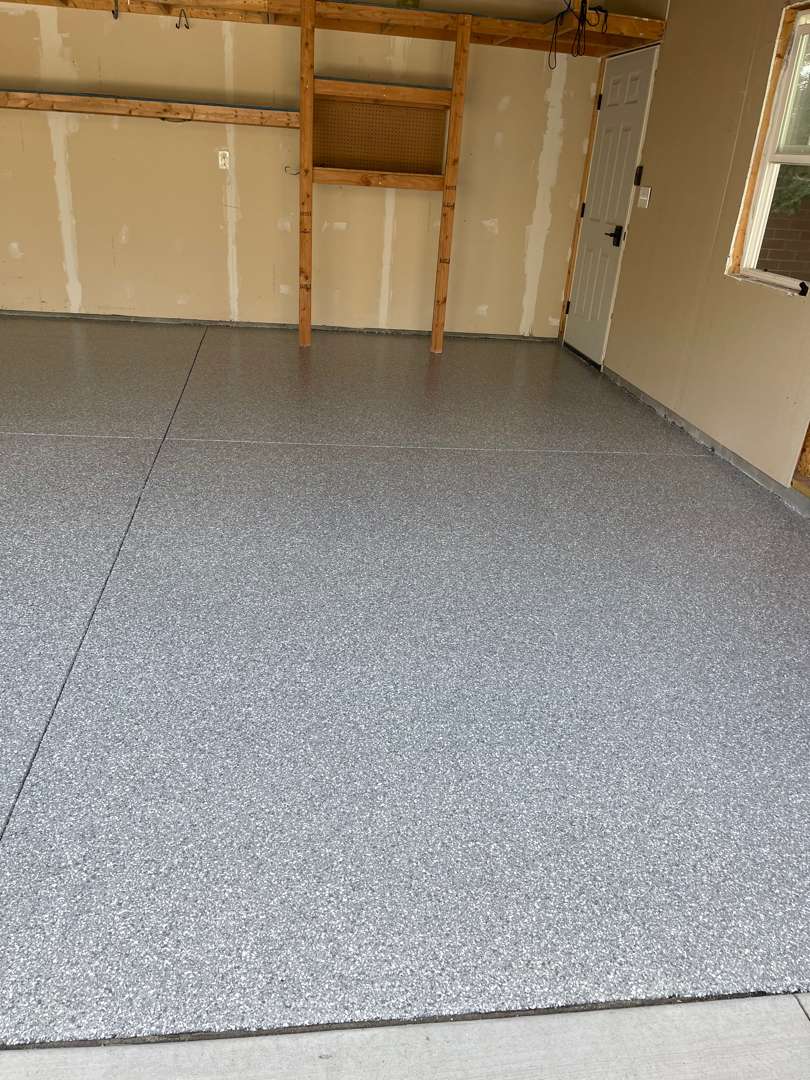
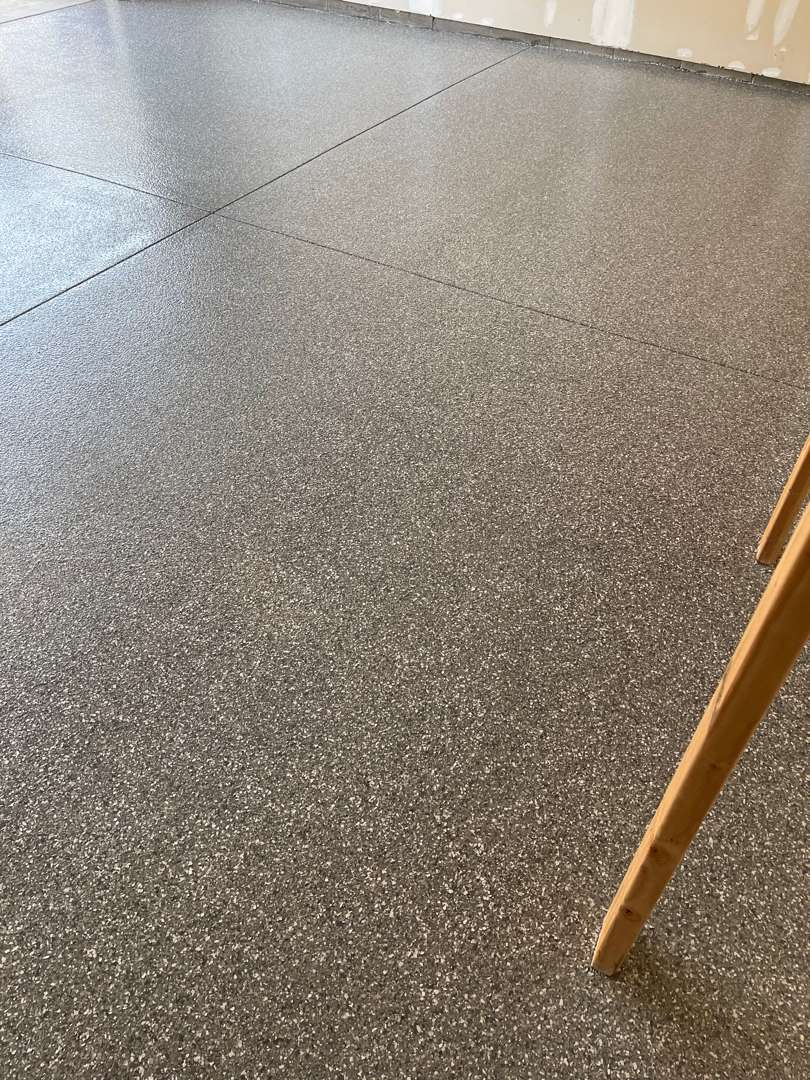
Our crew arrived at this Ridgedale Avenue property during an active renovation. The garage walls were in the drywall mud and tape stage. Wooden shelf framing lined the walls. The 350-square-foot concrete slab was brand new. No prior coating, no structural damage, no cracking. What covered the floor was debris — dead leaves, dirt, and surface contamination that had accumulated while the garage sat open during construction.
Surface Preparation
The Coating System
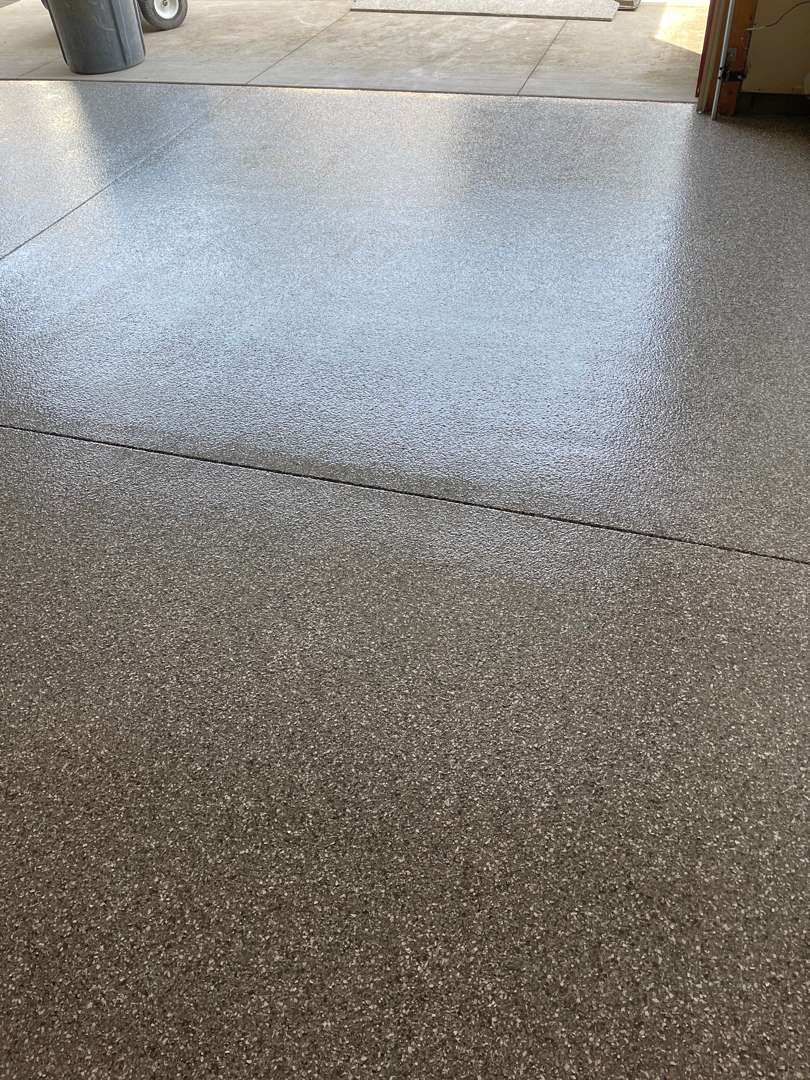
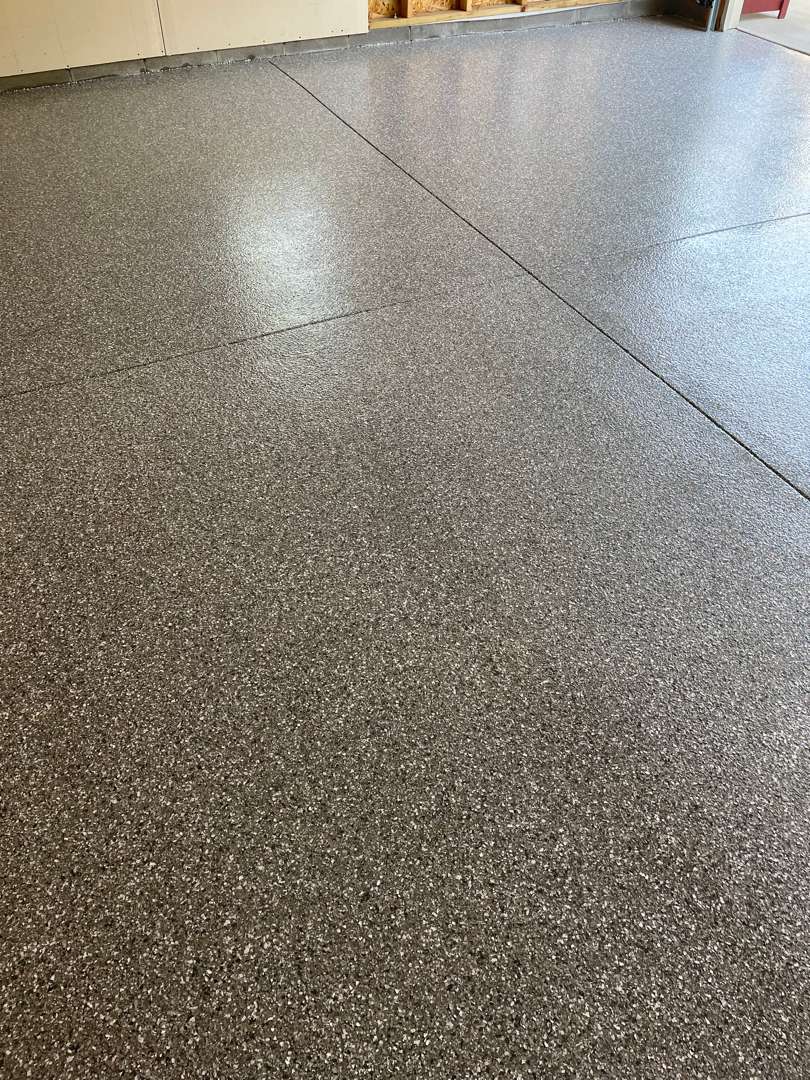
The homeowner selected Stoneycreek — a cool grey blend with silver and white flecks throughout. Our crew applied the MC-3.1 polyurea-polyaspartic coating system with 36-grit traction. Our team broadcast the decorative flake across the wet base coat. They then applied the heavy clear topcoat to lock in the flakes and seal the surface.
The Result
Testimonials - Voices of Our Clients
Patty Russo
Jeffrey Albrecht
NEW Garage Floor Coating
on George Street
George Street, Birmingham, MI
The Starting Point
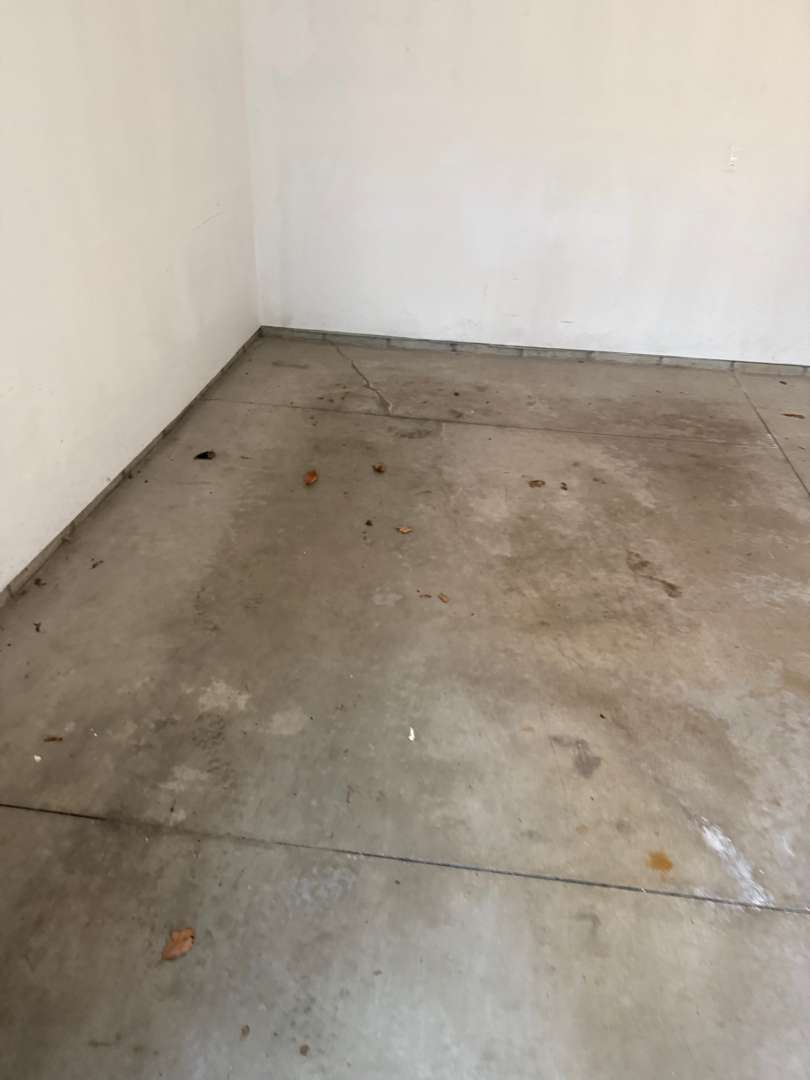
Crack Repair
Surface Preparation
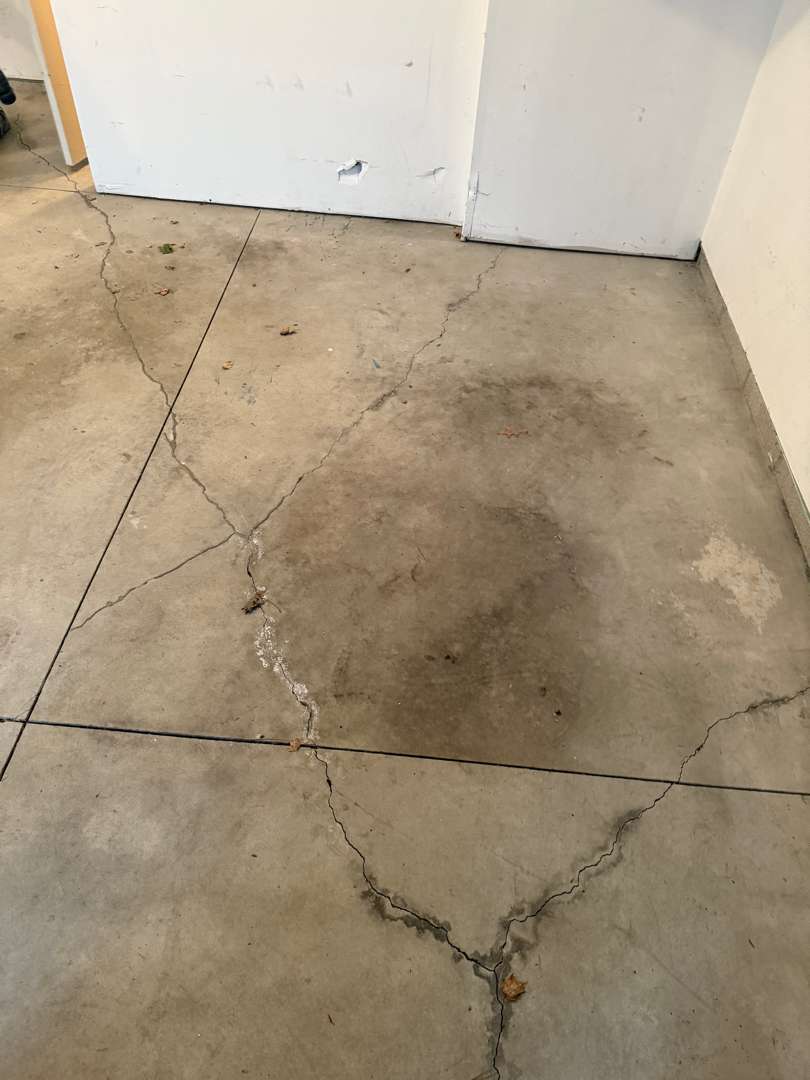
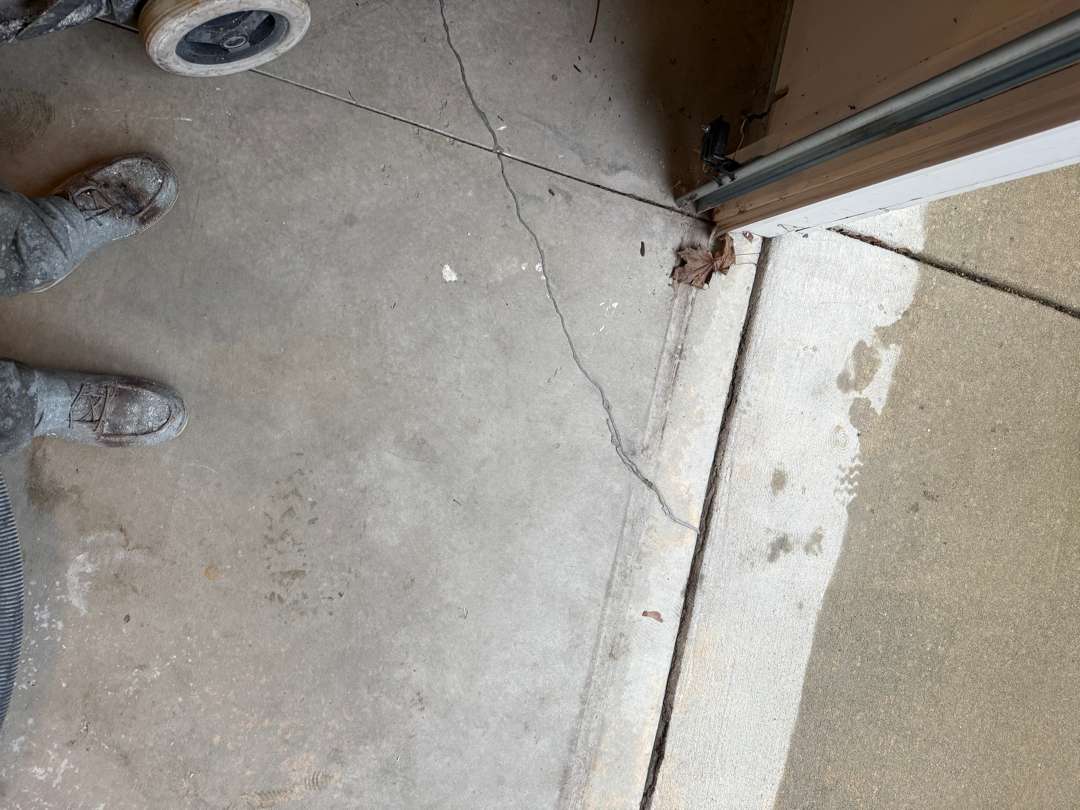
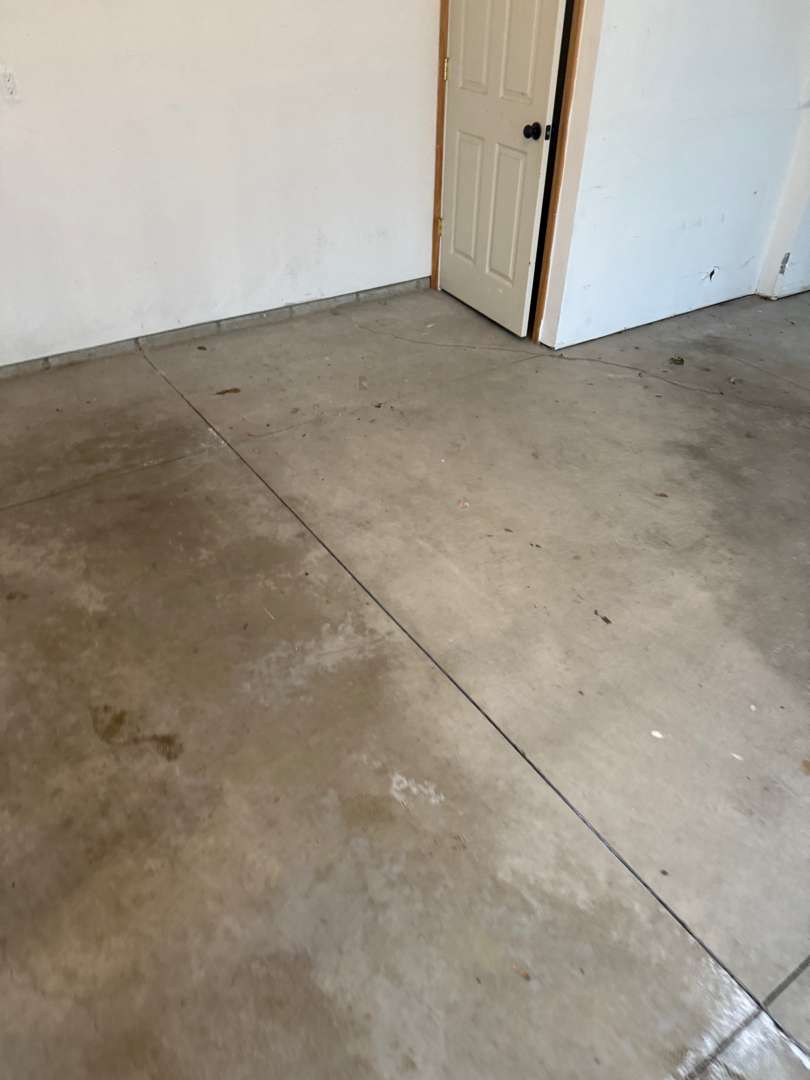
With crack repairs complete, our crew ground the slab to open the surface pores and remove the laitance layer. Grinding also leveled the repaired sections flush with the surrounding concrete. The floor came out of preparation clean and consistent across all 429 square feet.
Moisture Barrier
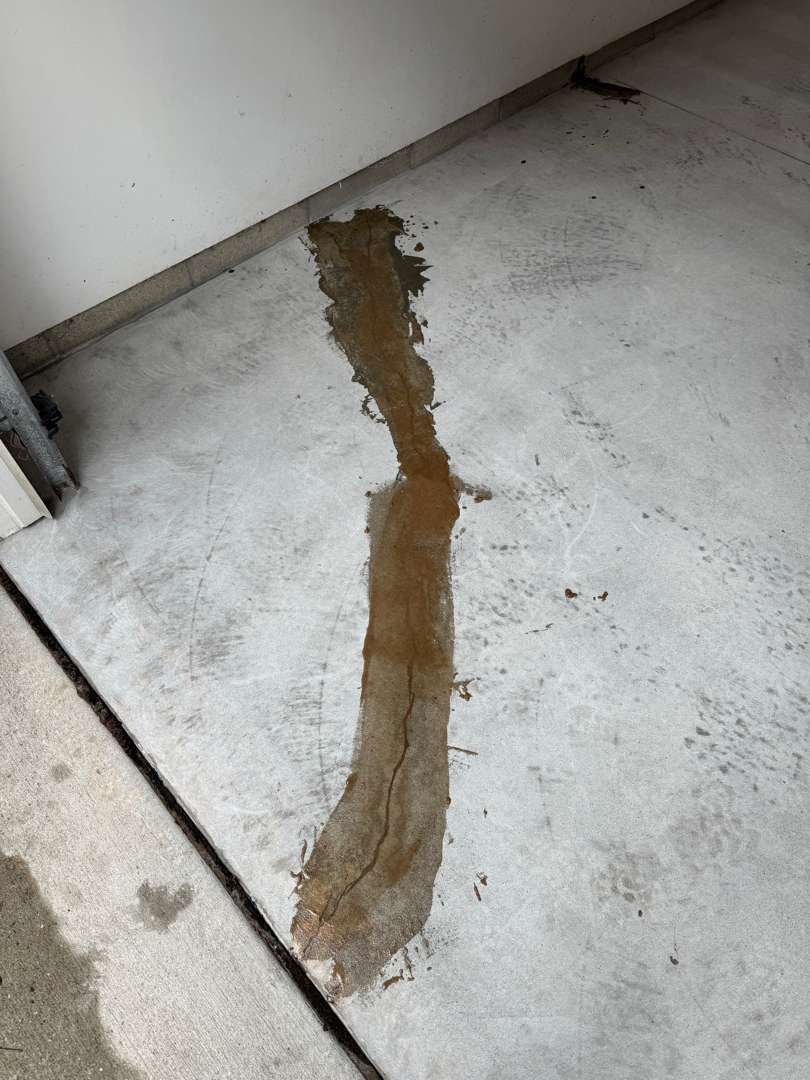
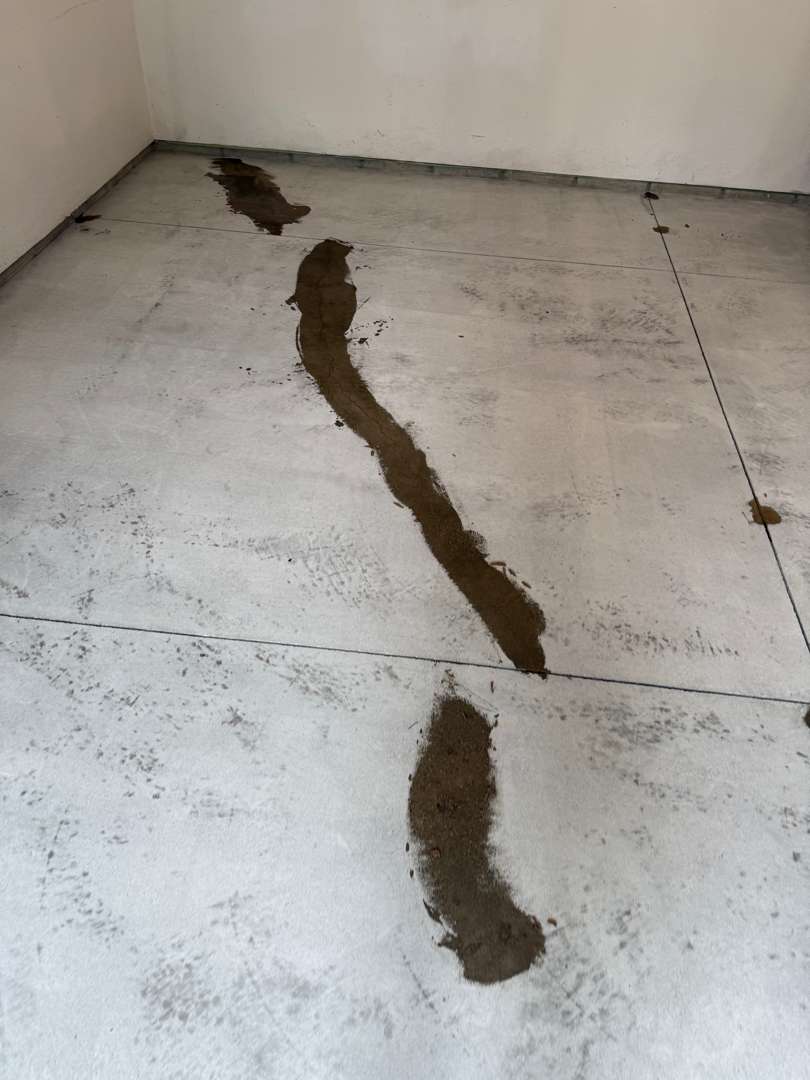
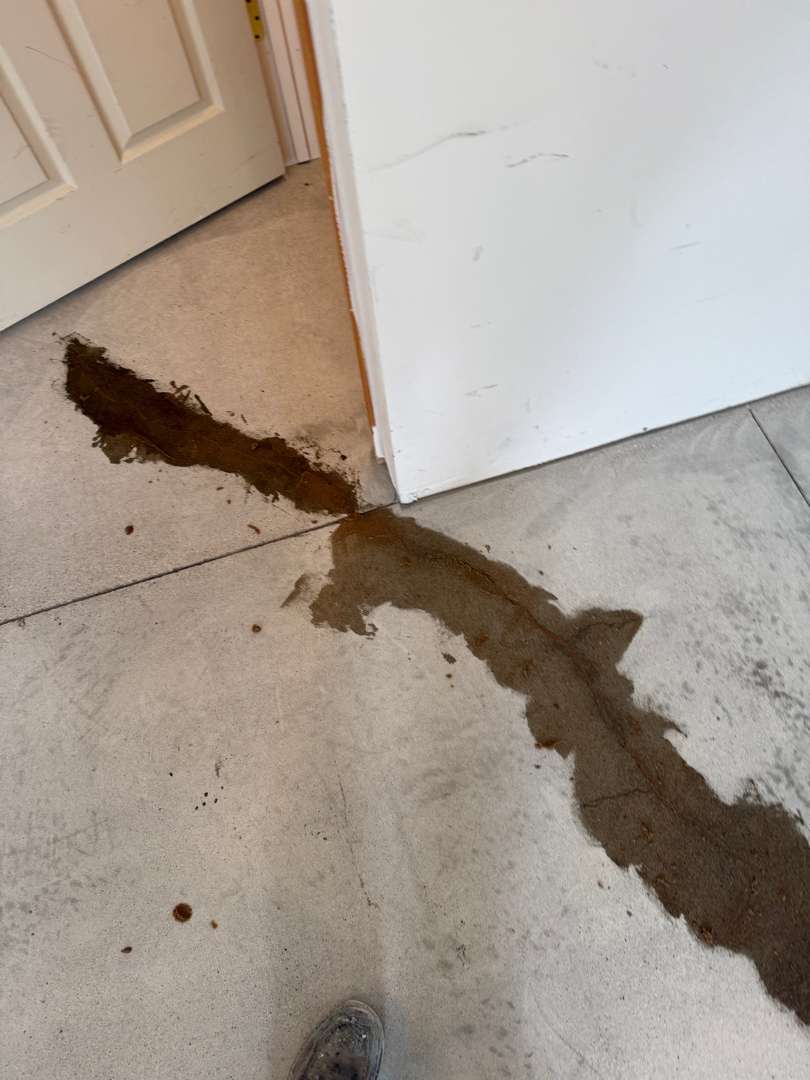
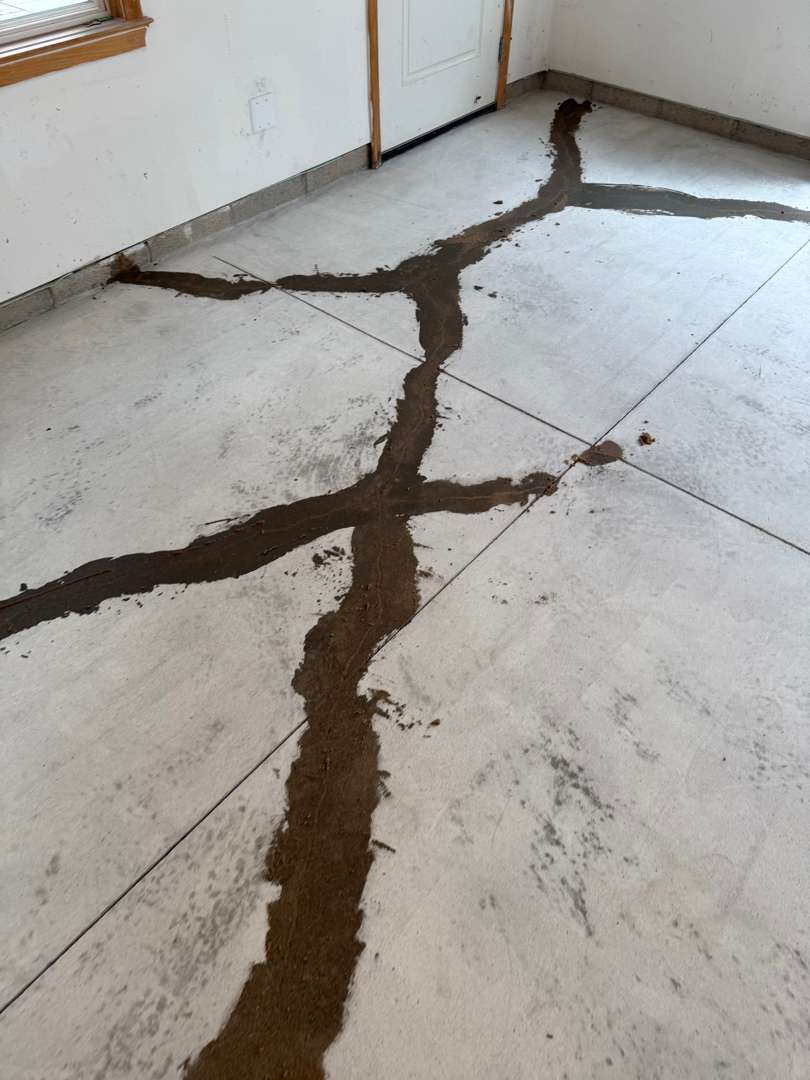
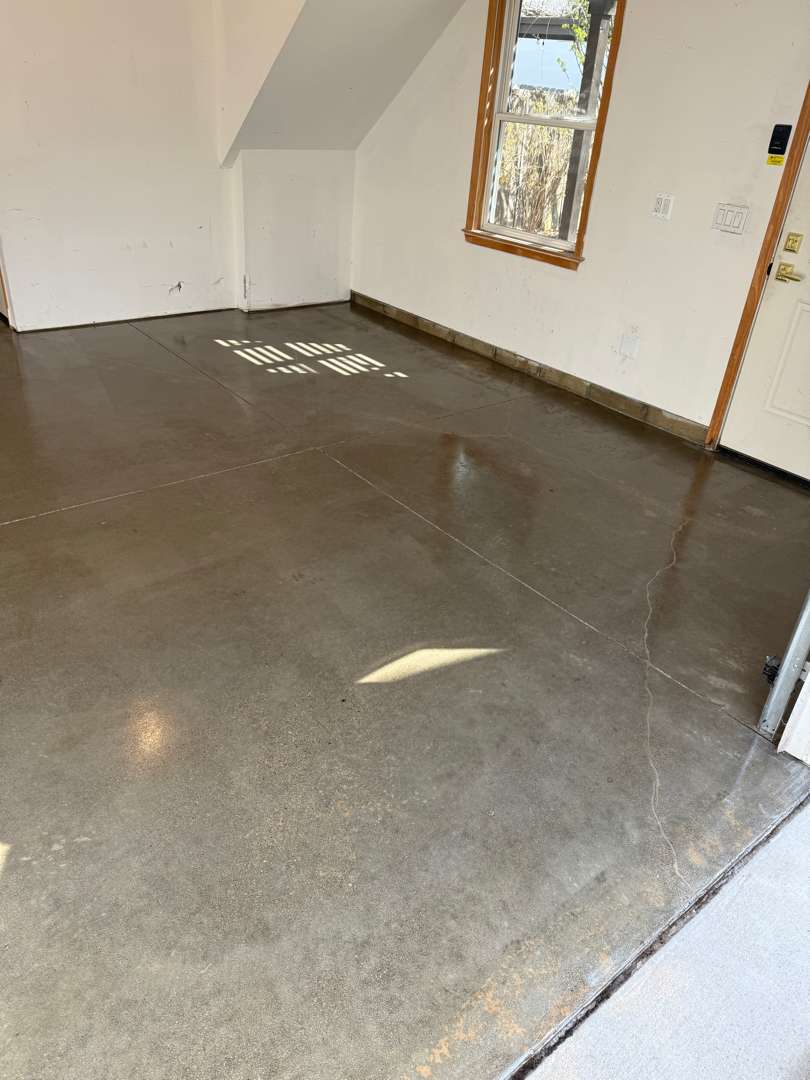
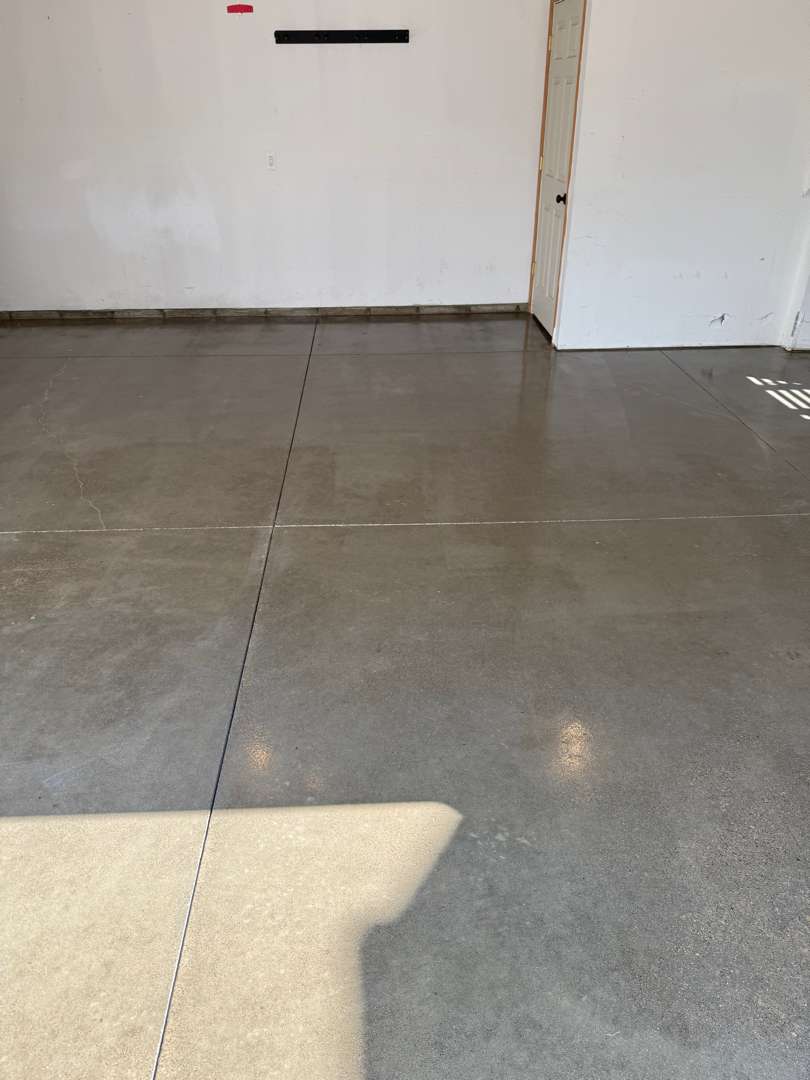


Testing confirmed the slab required a moisture barrier before coating. Our crew applied the moisture barrier coat across the full floor. This step protects the system above from moisture vapor pushing up through the concrete over time. The moisture barrier photos show the dark, sealed surface after application. Skipping this step risks adhesion failure. Our crew did not skip it.
The Coating System
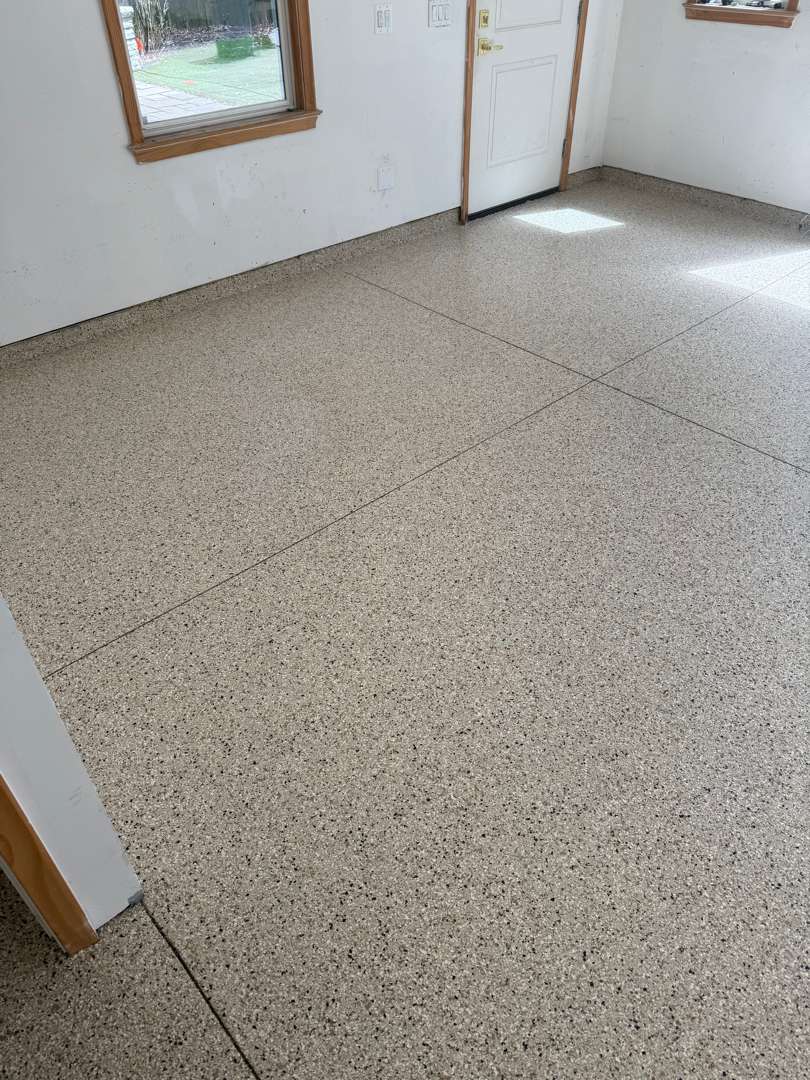
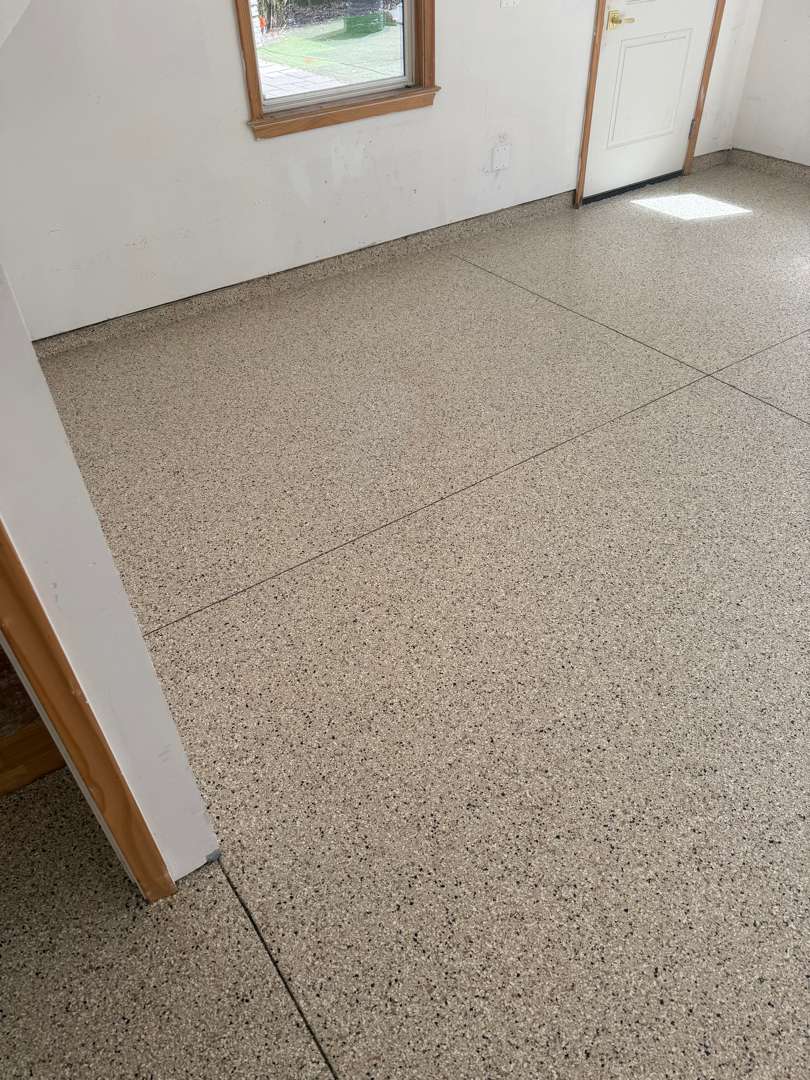
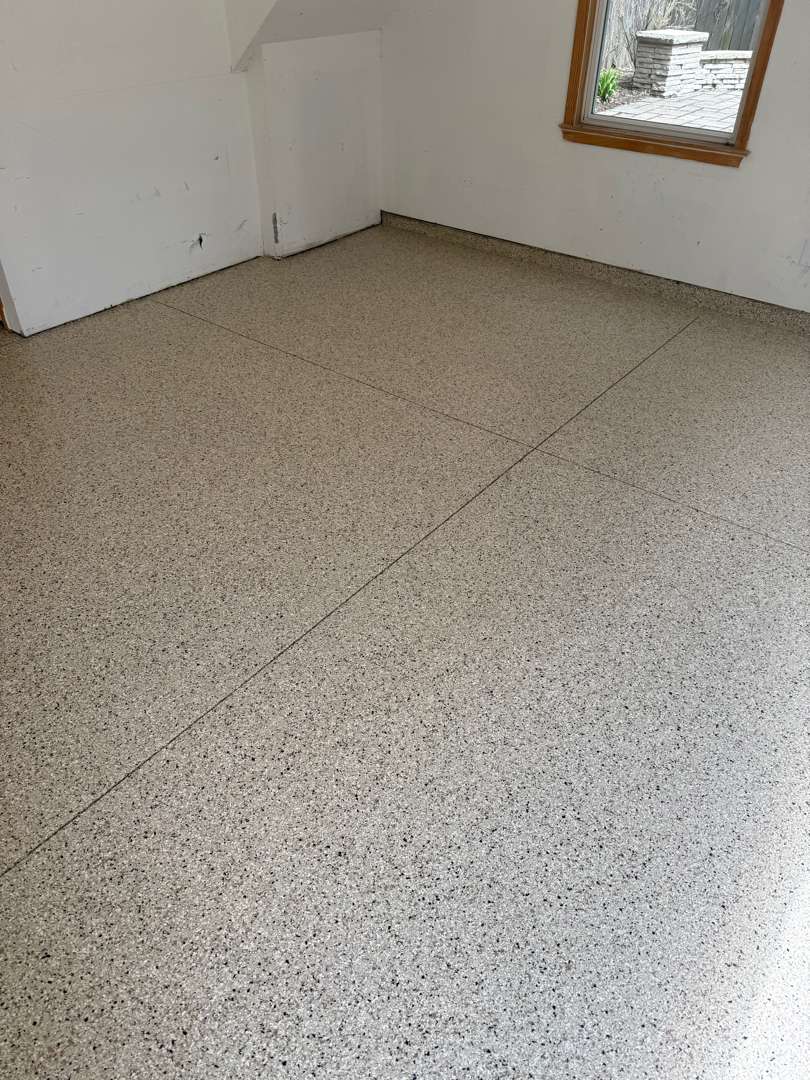
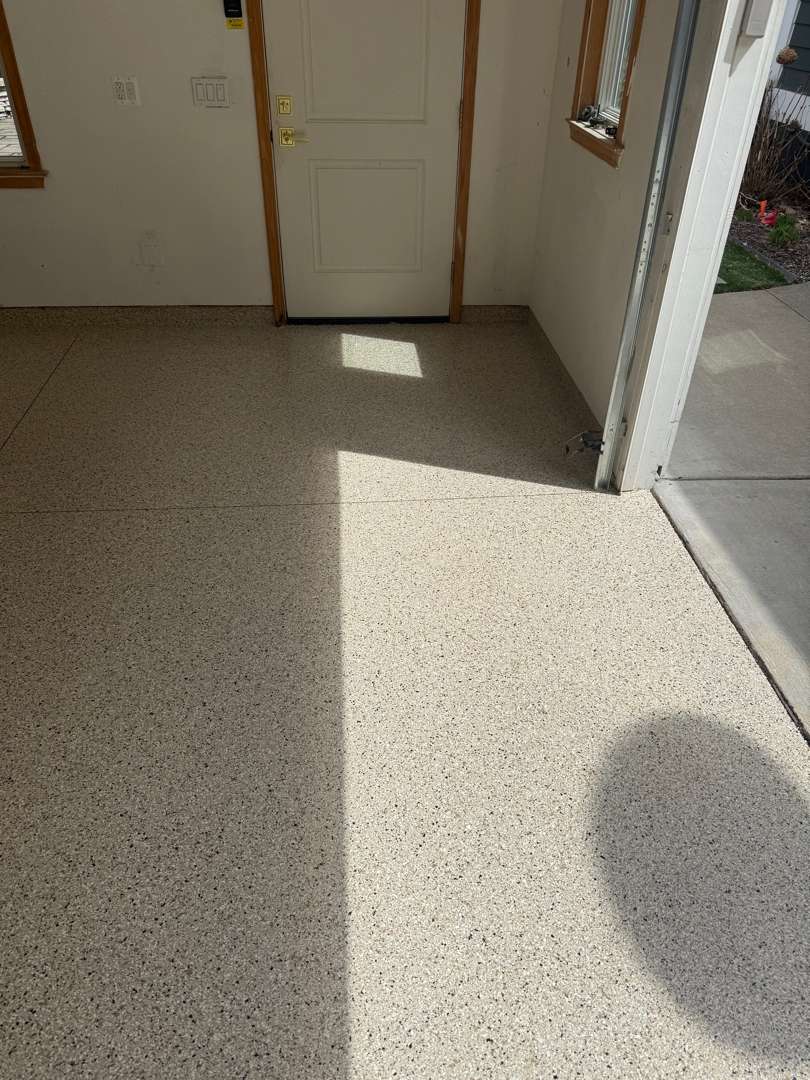
The homeowner selected Driftwood — a warm blend of creams, tans, and soft greys with dark flecks throughout. Our crew applied the MC-5.2 polyurea-polyaspartic coating system with 16-grit traction. Our team broadcast the decorative flake across the wet base coat. They then applied the heavy clear topcoat to lock in the flakes and seal the surface. There were no vertical surfaces and no steps on this job. The coating runs cleanly wall to wall across the full slab.
The Result
Testimonials - Voices of Our Clients
Jude McClish
Jim Warzniak
NEW Garage Floor Coating
on West Lincoln Street
West Lincoln Street, Birmingham, MI
The Starting Point
Surface Preparation
Crack Repair
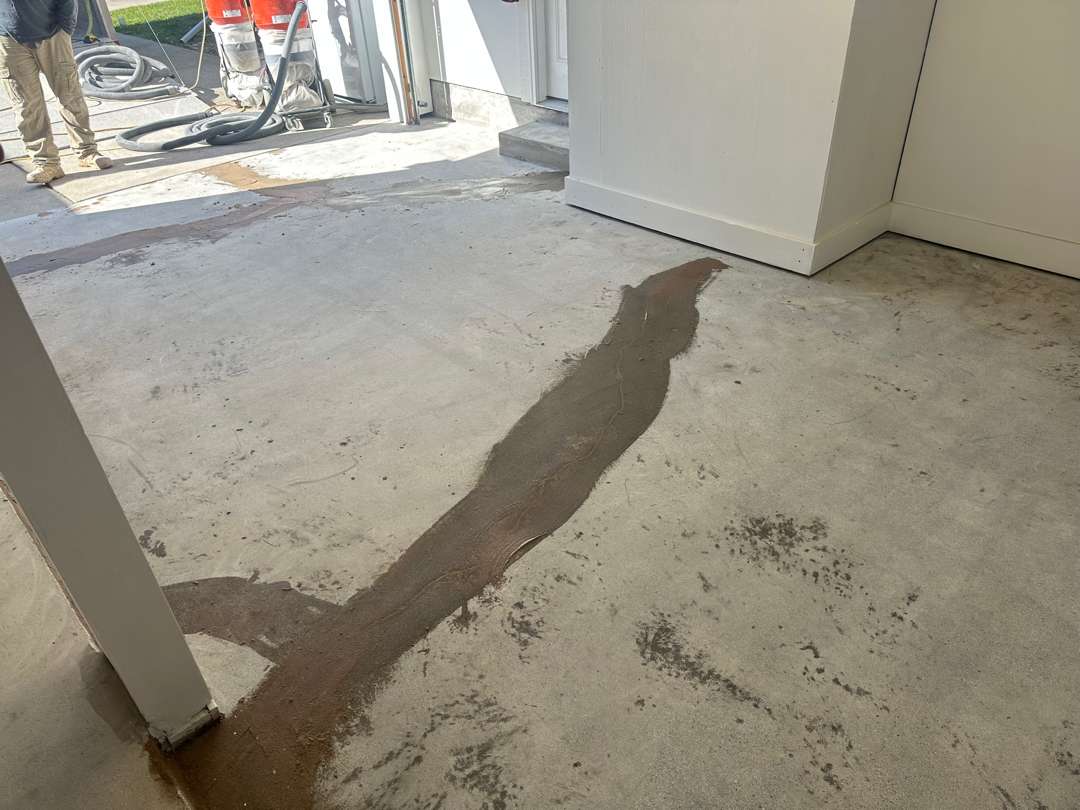
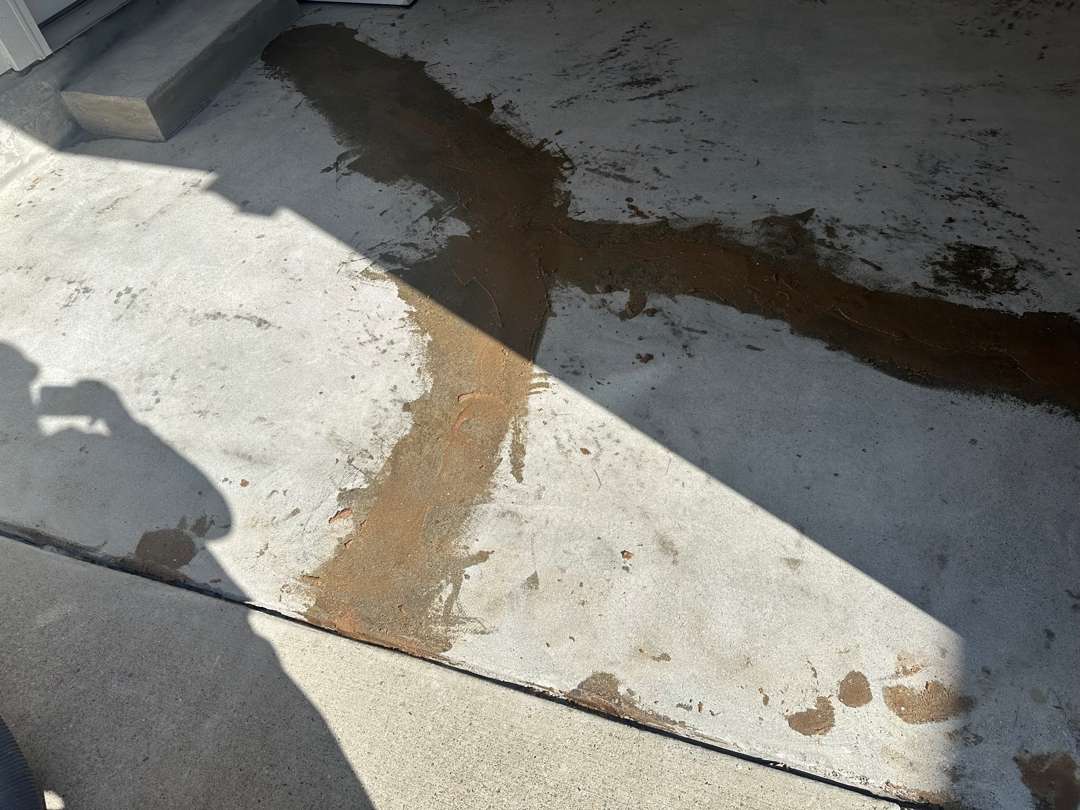
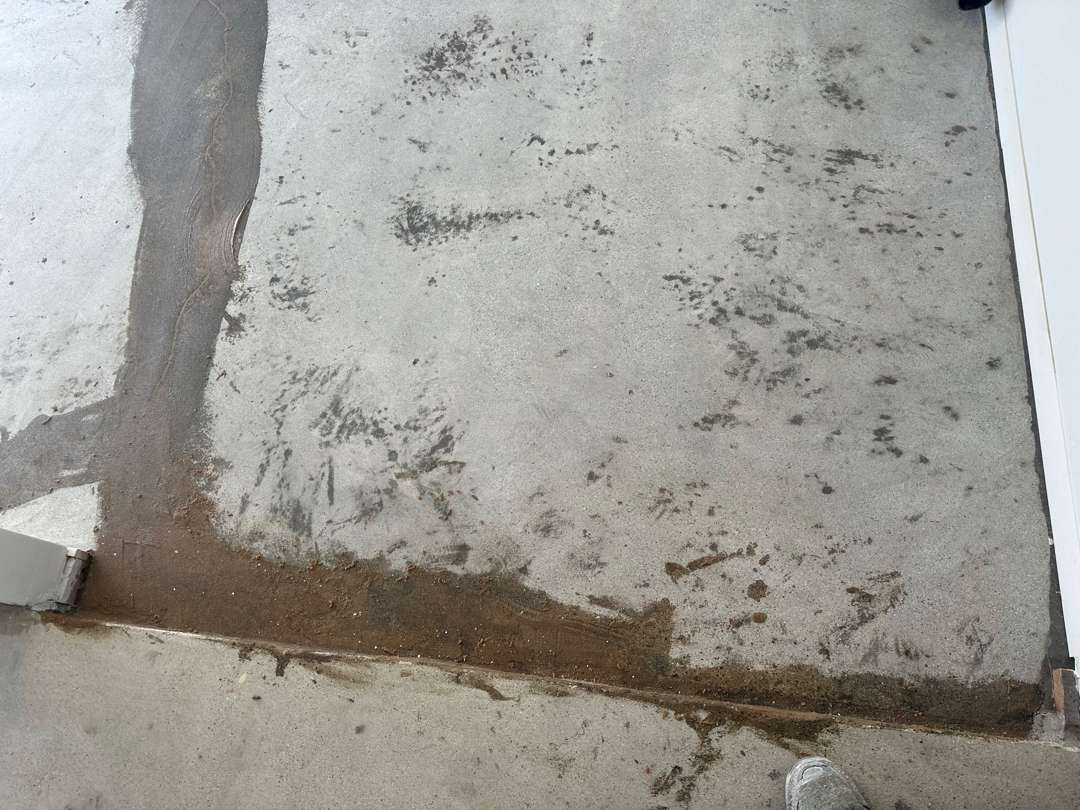

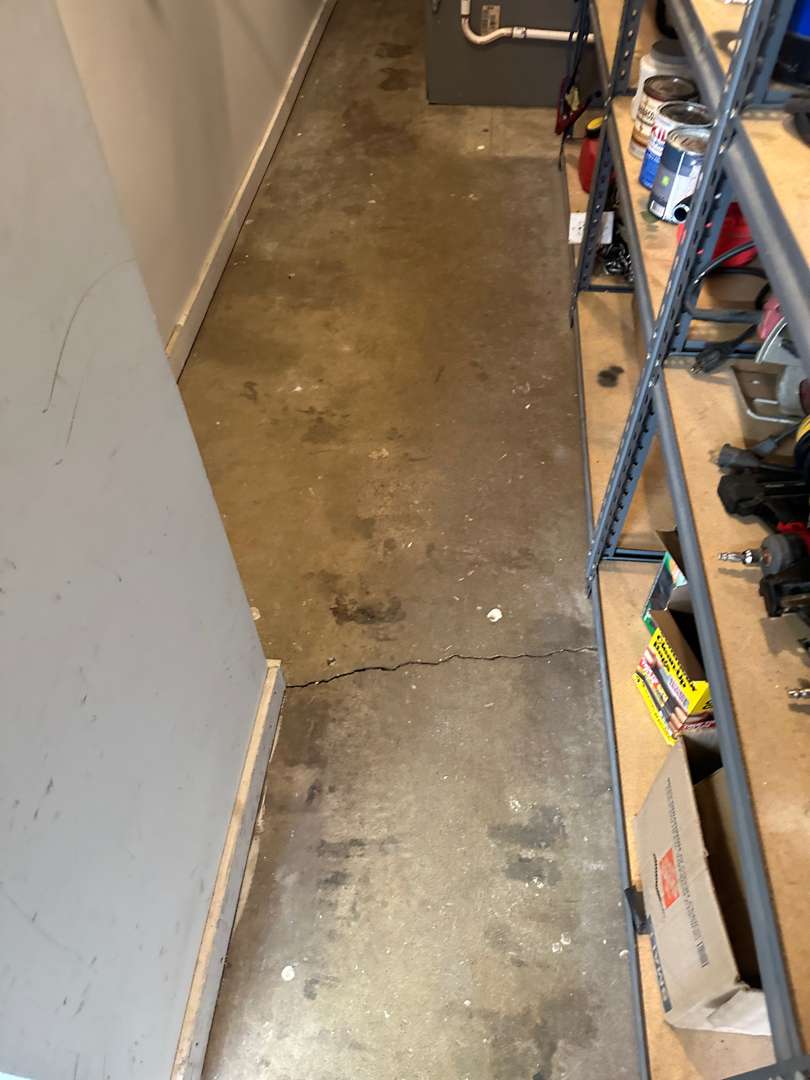
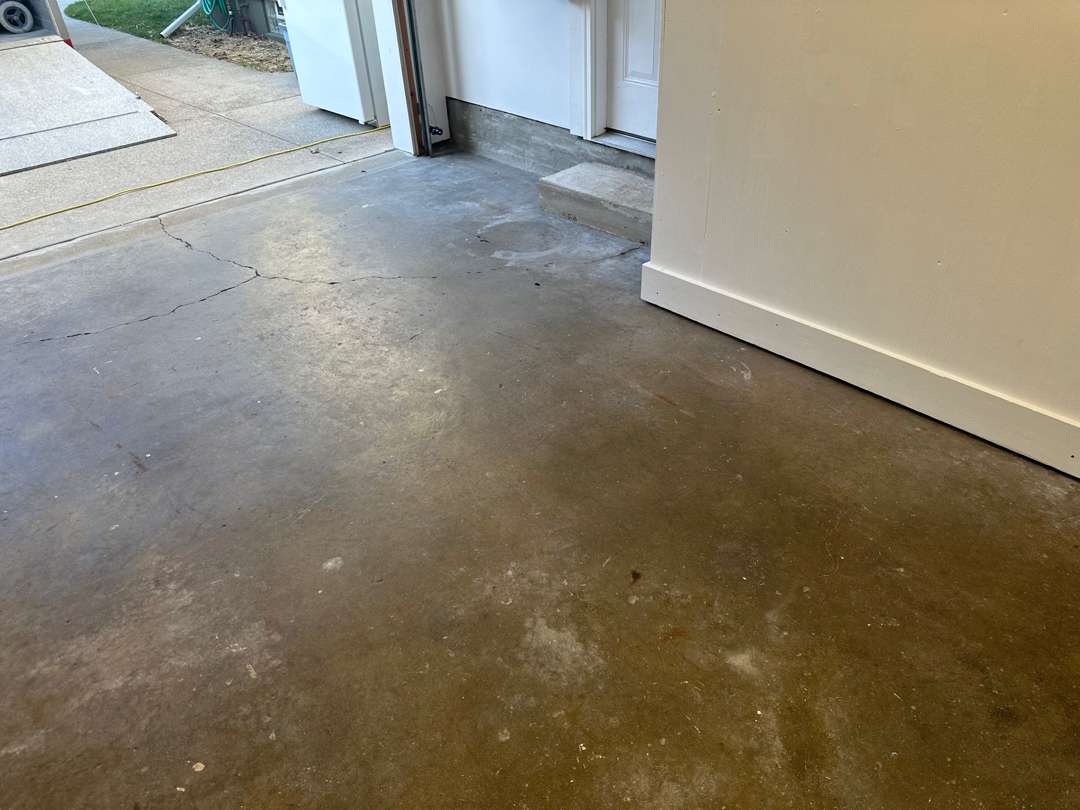
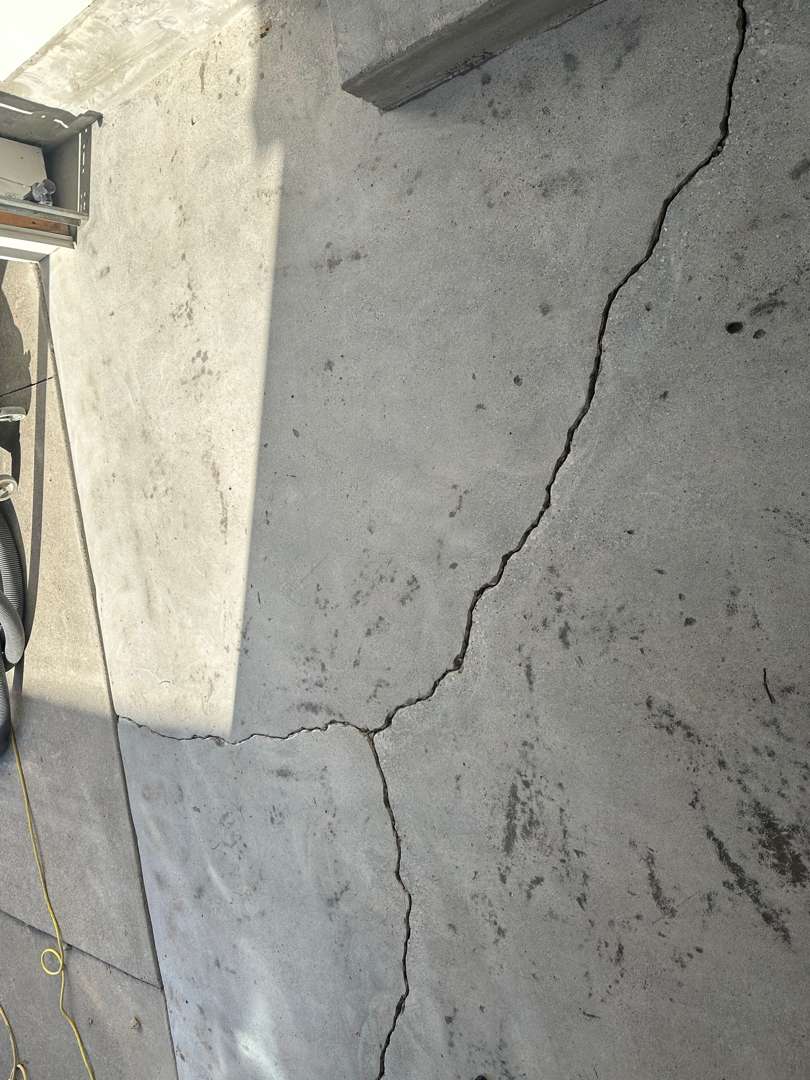
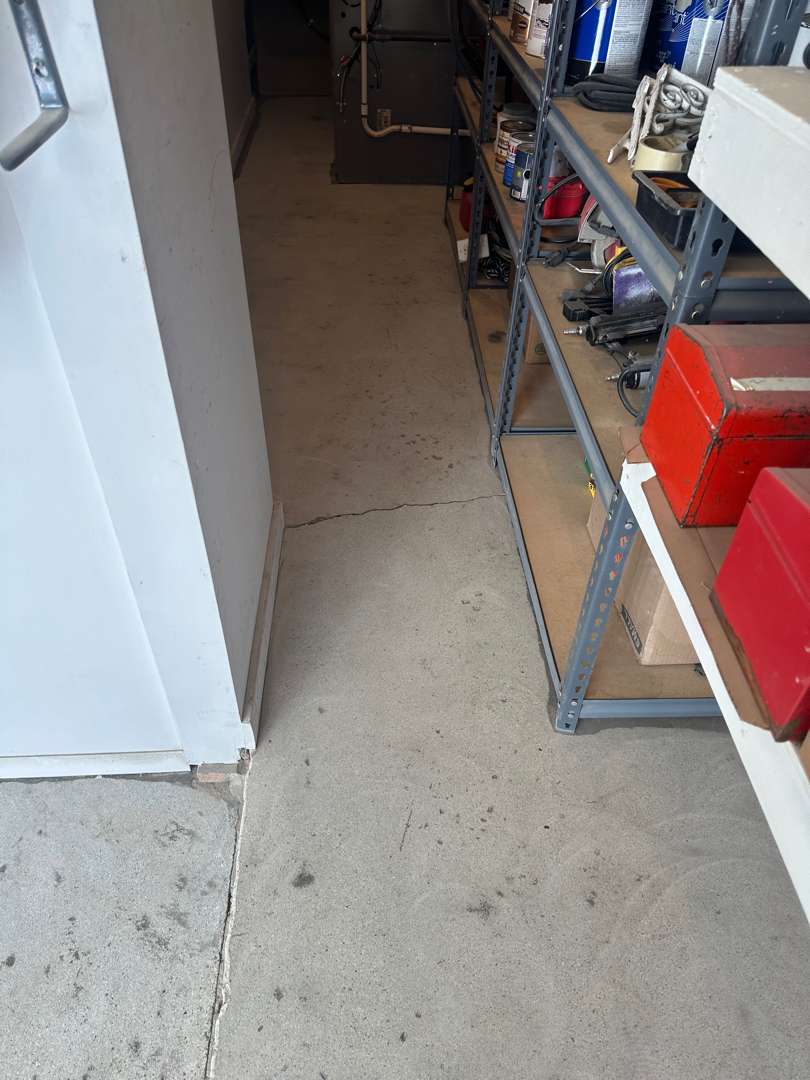
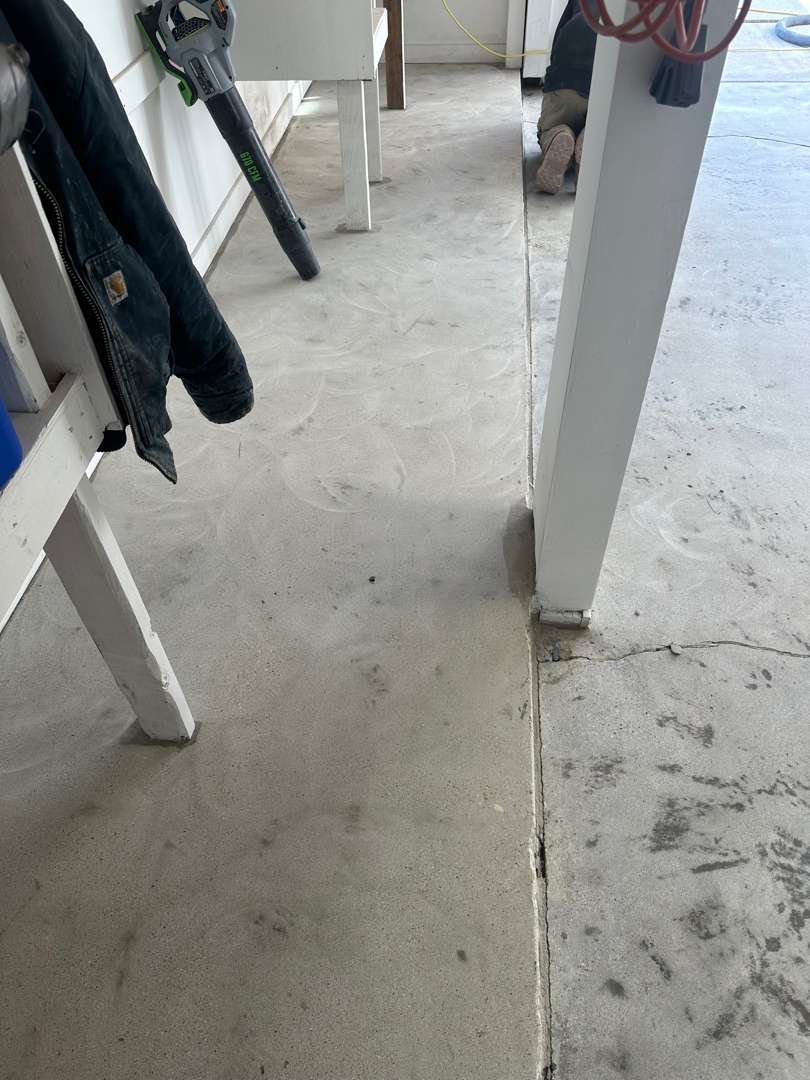
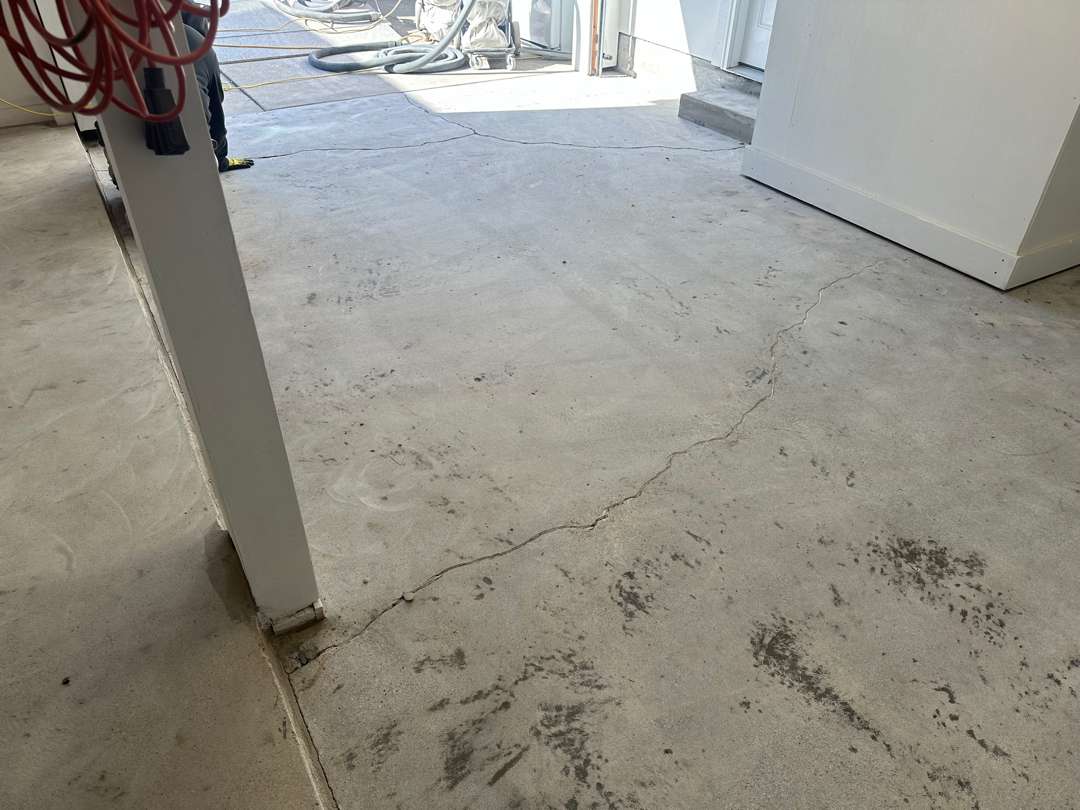
The cracks near the front of the garage required direct attention before any coating could go down. Our crew applied mender compound into each void and worked it flush with the surrounding slab. The repair photos show the brown compound tracing the crack lines near the threshold. Each filled section was leveled and left to cure before the coating system was applied.
The Vertical Surfaces

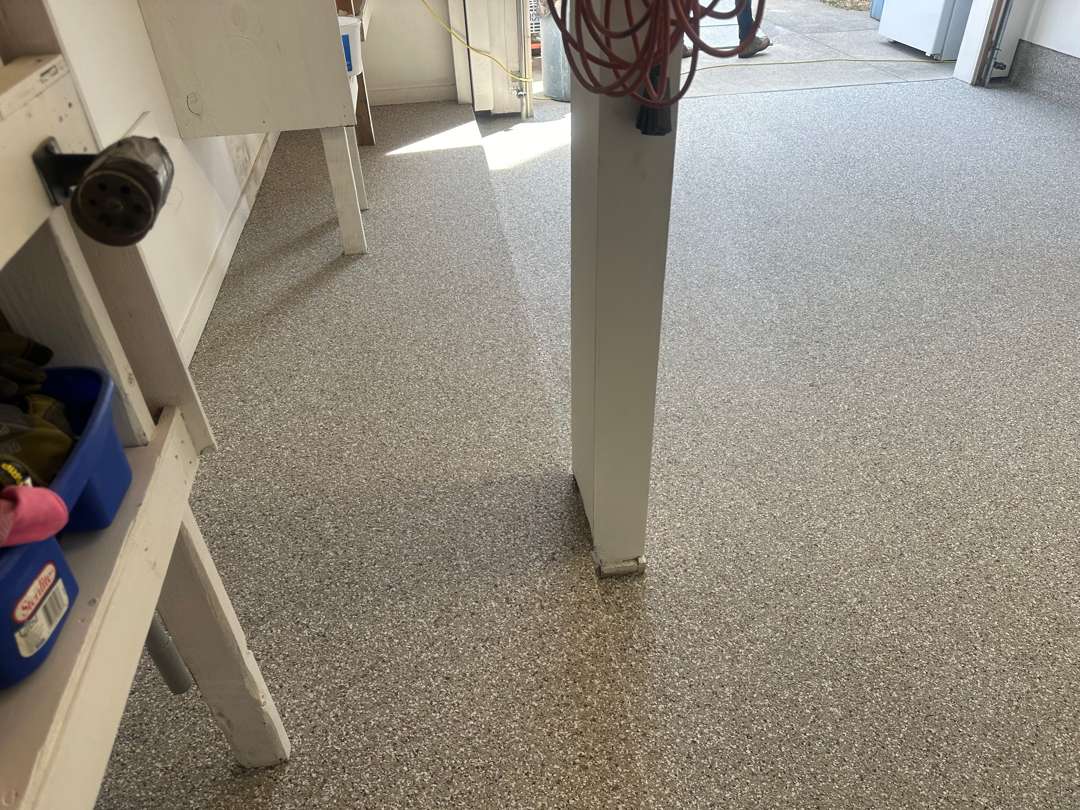
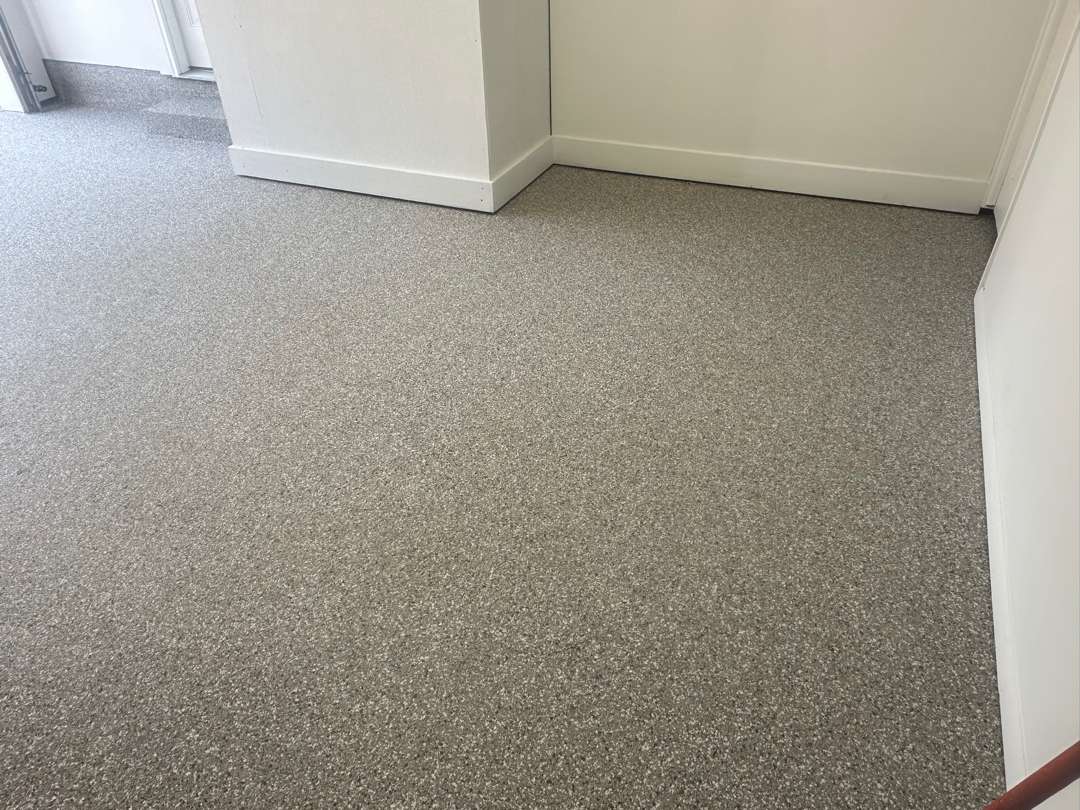

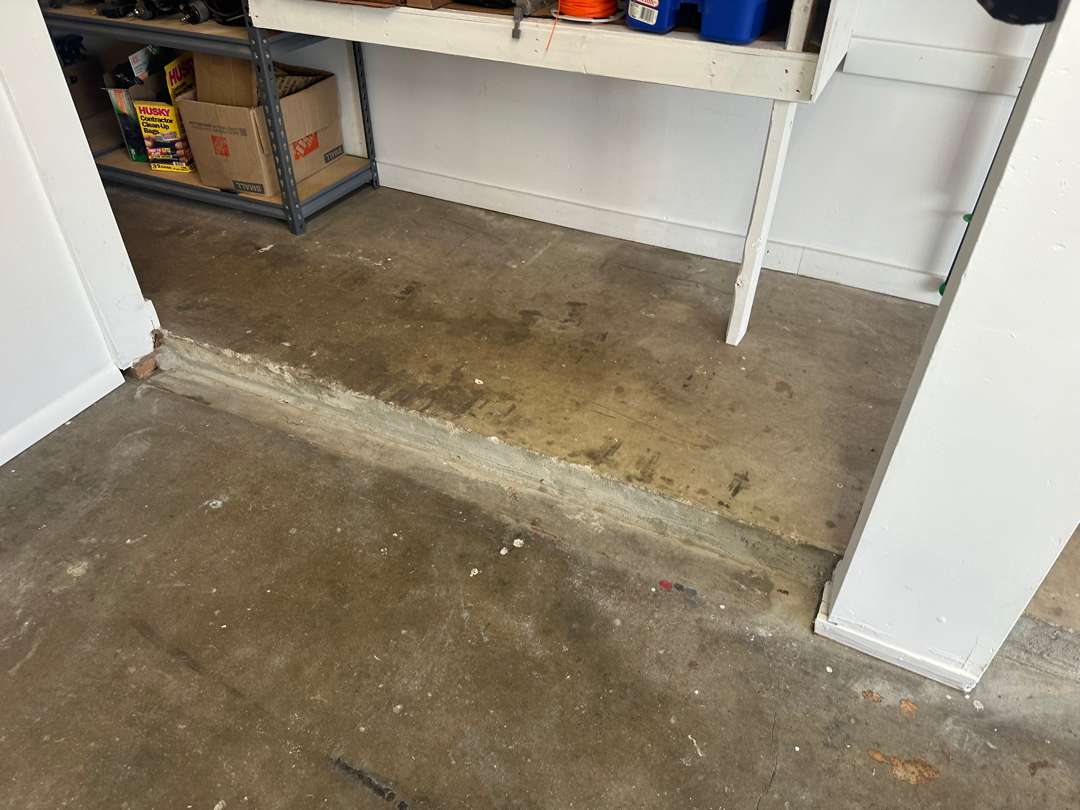
The 18 linear feet of vertical surfaces were coated as part of the installation. Our crew brought the Pebble Beach system up and over the curb face along the back wall and along the perimeter verticals. The coating integrates cleanly from the floor up the vertical face, presenting a continuous, finished surface throughout the space.
The Coating System
The homeowner selected Pebble Beach — a warm sandy blend of tans, greys, and creams with natural-looking flecks throughout. Our crew applied the MC-3.5 polyurea-polyaspartic coating system with 36-grit traction. Our team broadcast the decorative flake across the wet base coat. They then applied the heavy clear topcoat to lock in the flakes and seal the surface. There were no steps on this installation.
The Result
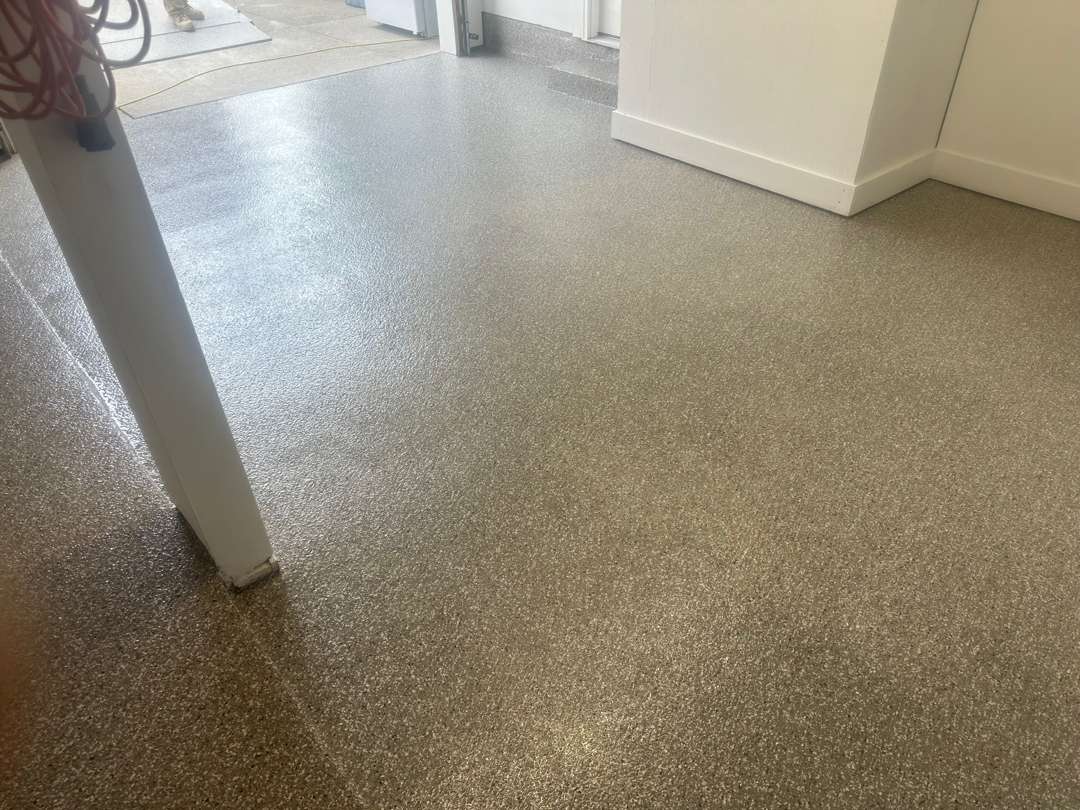
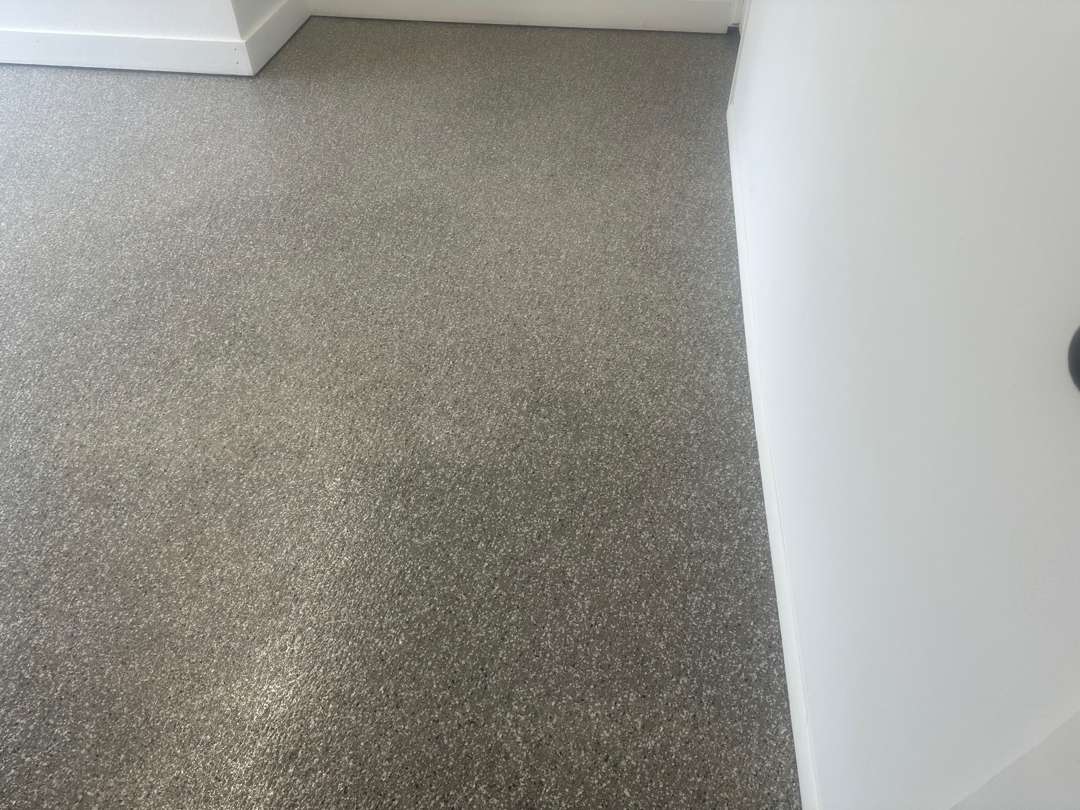
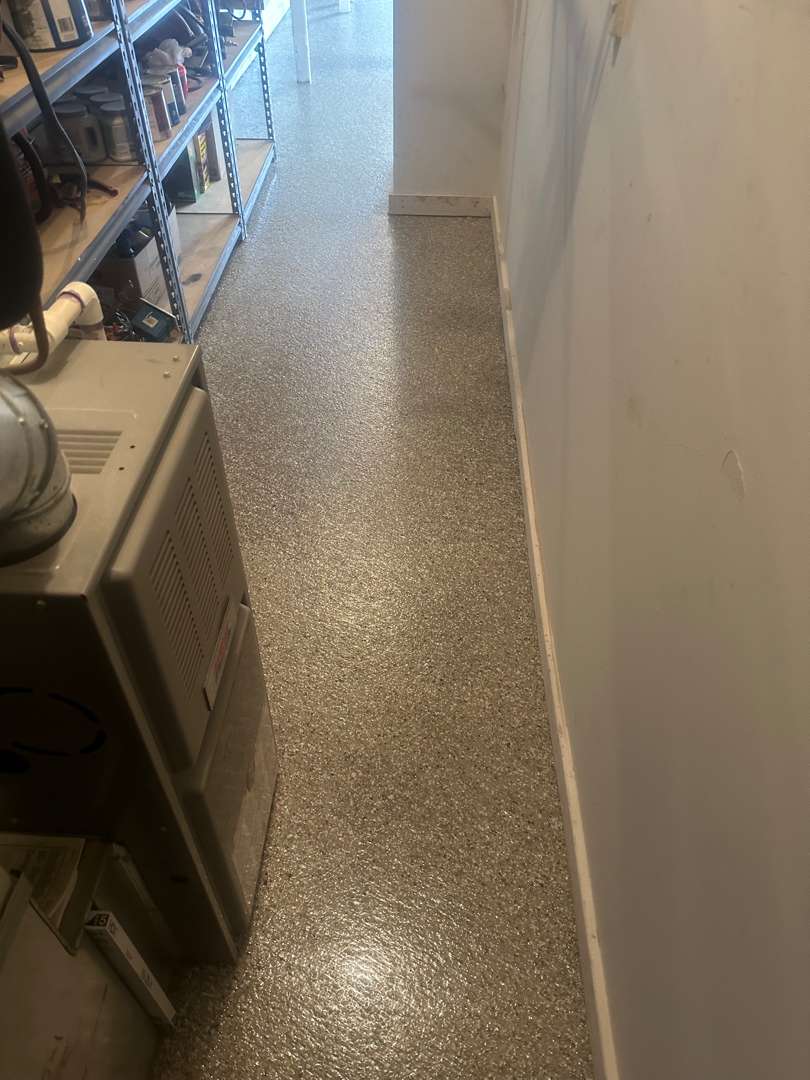
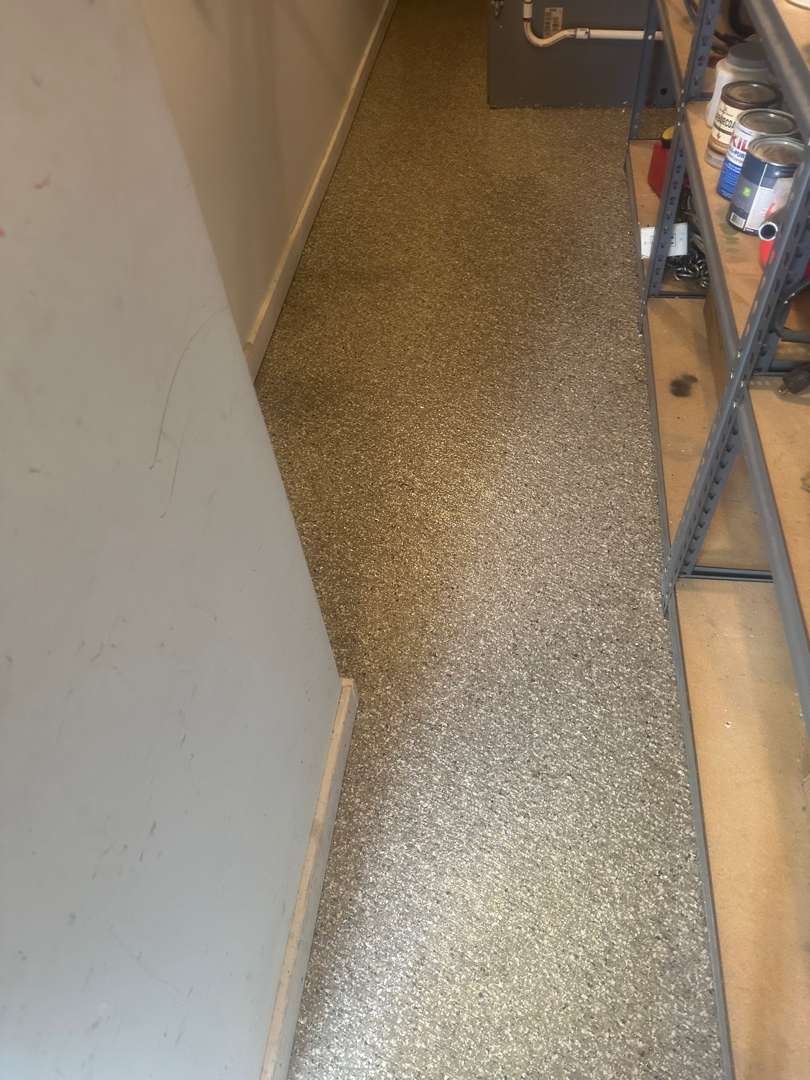
The finished floor on West Lincoln Street is a significant upgrade from what our crew found on arrival. Pebble Beach flake now covers what was a stained, cracked, and worn concrete surface. The warm, natural tone gives the working garage a cleaner, more finished character. The 36-grit traction provides reliable grip across the full floor. The floor is sealed, protected, and ready for years of use.
Testimonials - Voices of Our Clients
Sharon Gessert
Criag Forton
NEW Garage Floor Coating
on Webster Street
Webster Street, Birmingham, MI
The Starting Point

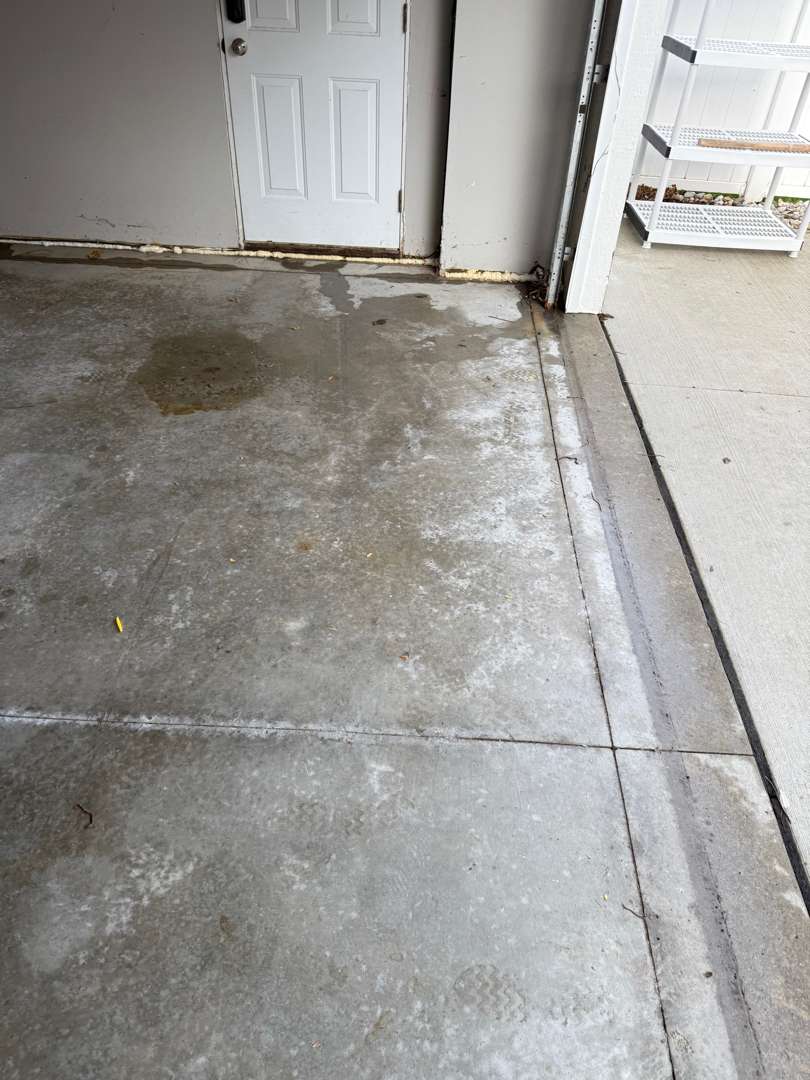
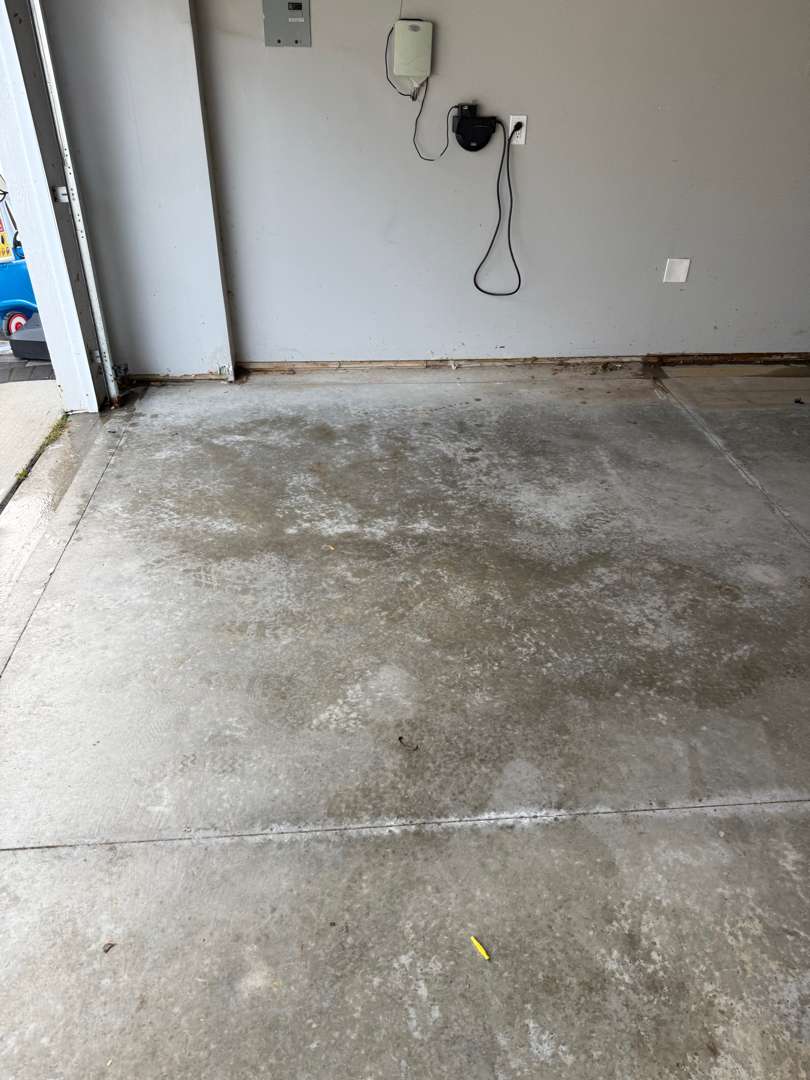
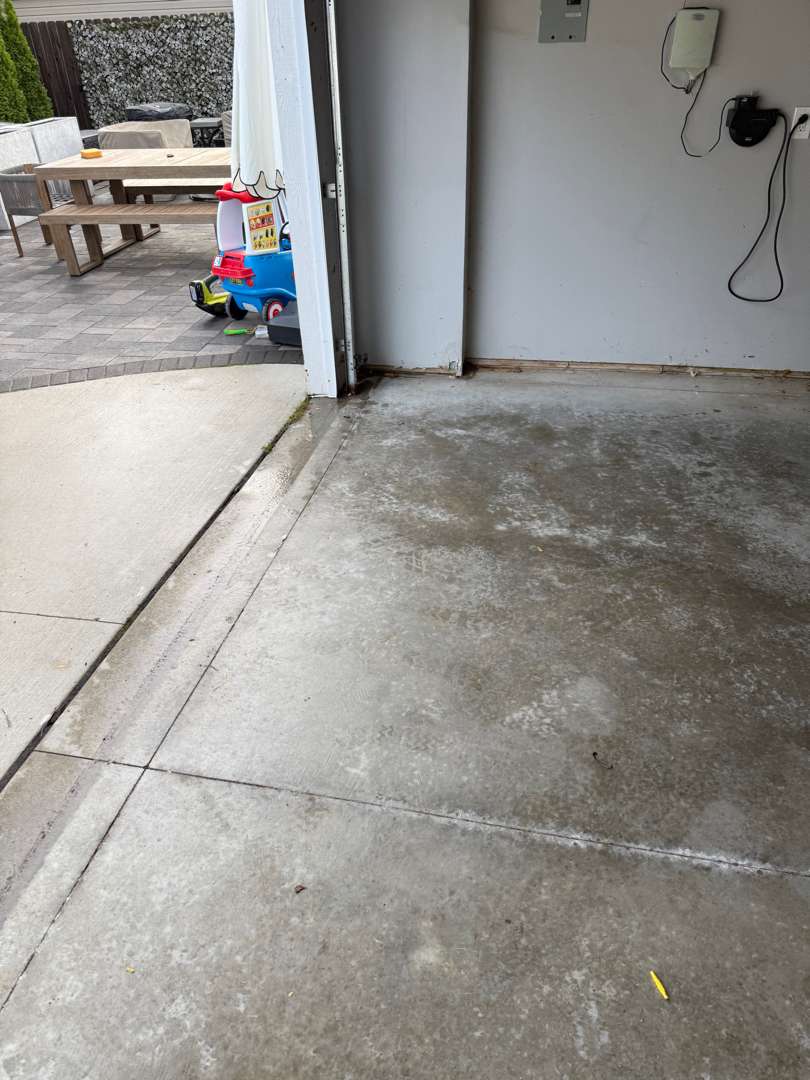
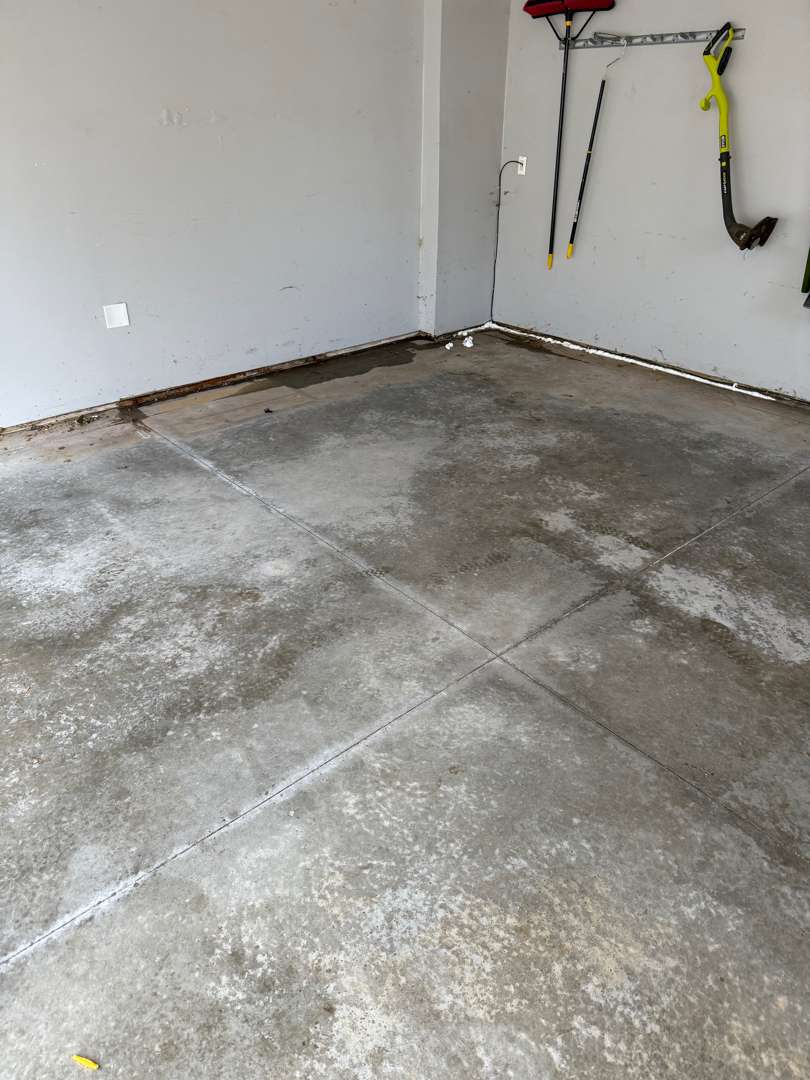
Our crew arrived at this Webster Street property to find a detached garage situated behind the house. Access for equipment was tight — backing the trailer into position required care. The 350-square-foot concrete slab was brand new. The surface was in good structural condition throughout. No cracks, no significant damage. A couple of small nicks were present in the concrete, and foam sealant ran along the base of the walls and needed to be cleaned up before the coating could go down.
Surface Preparation
Our crew ground the slab to open the surface pores and remove the laitance layer. Even on brand new concrete, this step is essential. The laitance — the weak surface layer left over from the curing process — must be removed for the coating system to bond properly. Grinding also addressed the foam sealant along the wall base, clearing it from the perimeter so the coating could run cleanly to the edges.
Minor Repairs
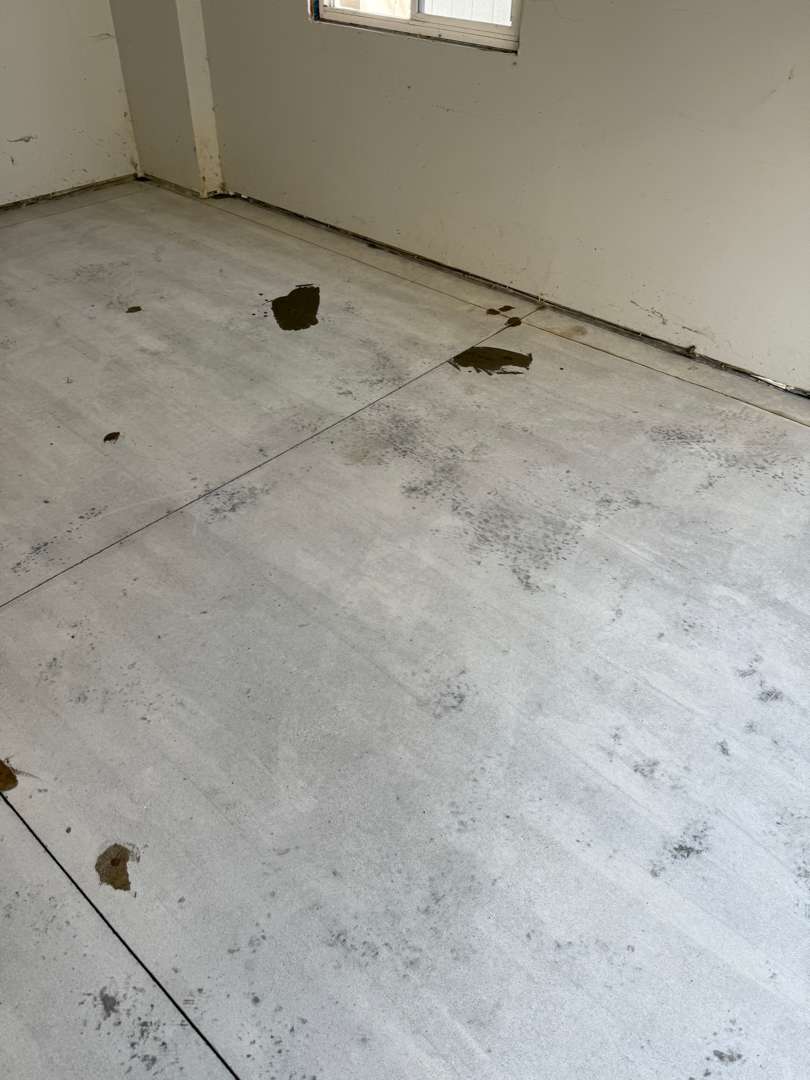


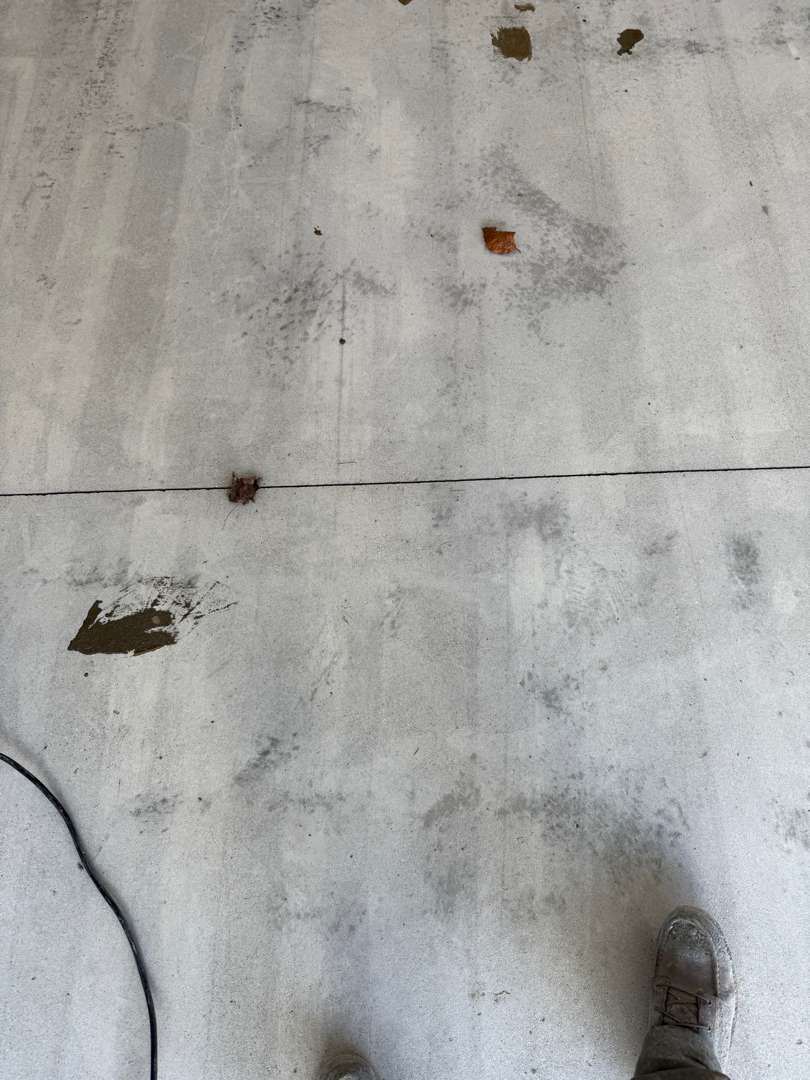
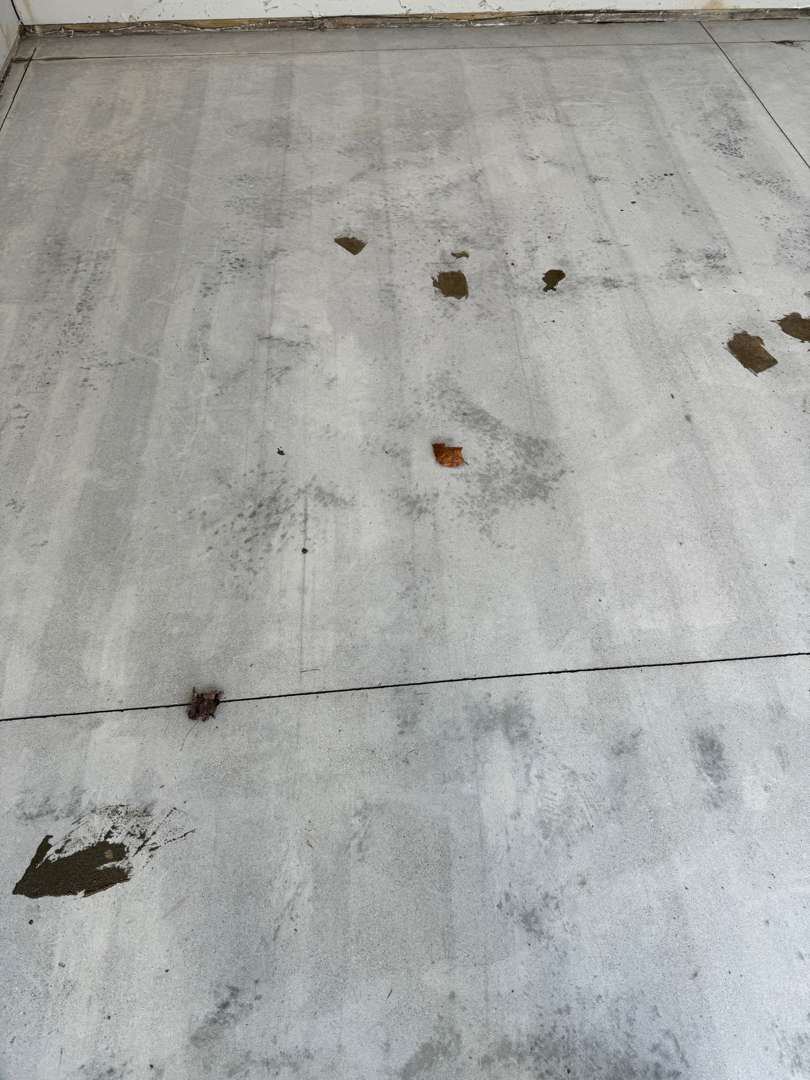
The two nicks in the concrete were small but required attention. Our crew applied mender compound to each one and leveled it flush with the surrounding slab. The patch photos show the brown compound spotted across the otherwise clean, open surface. With repairs complete, the floor was consistent and ready.
The Coating System
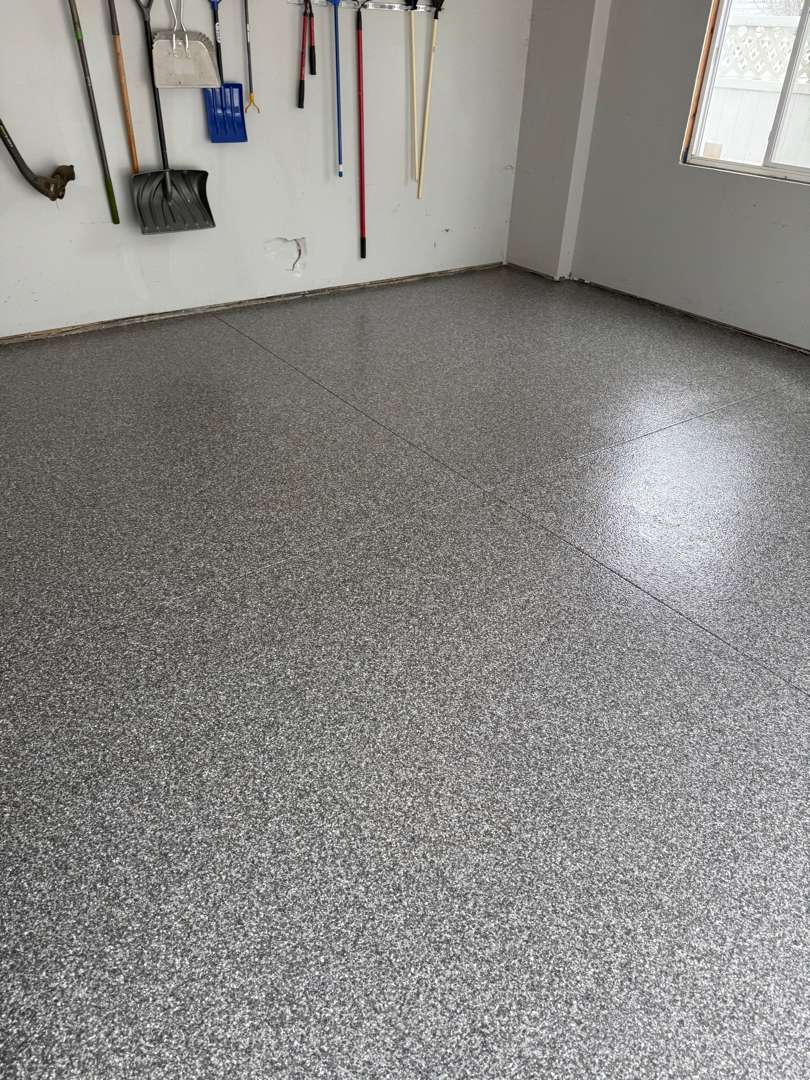
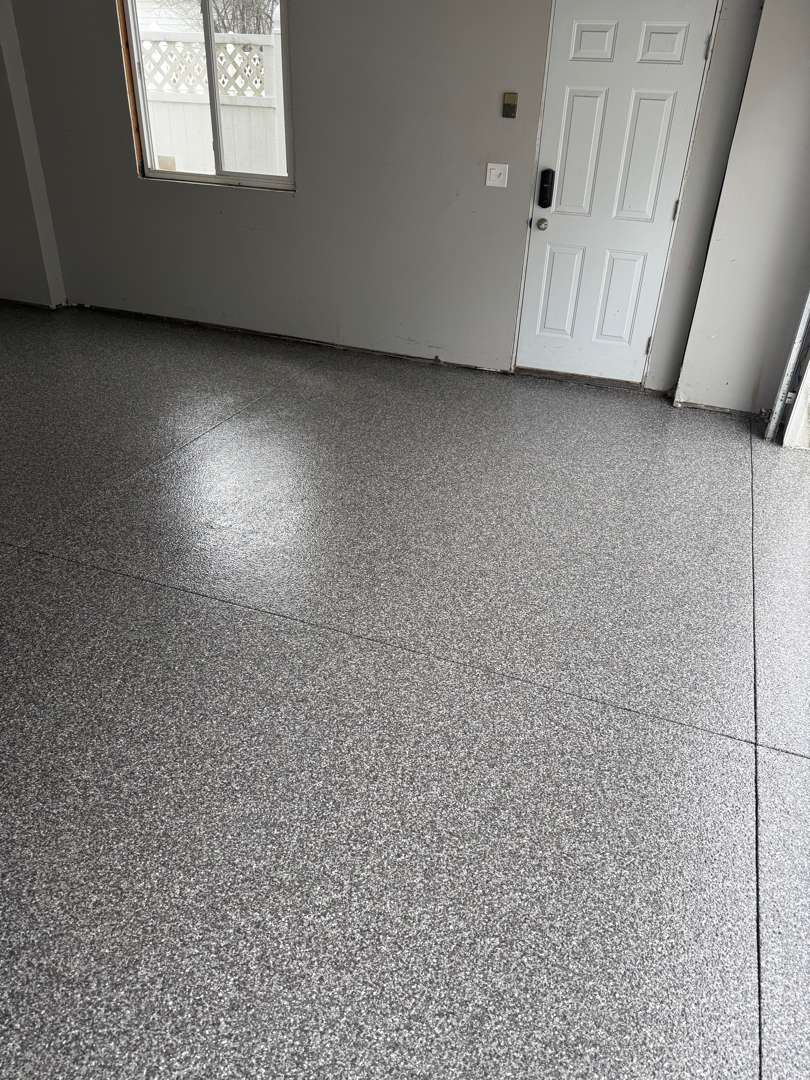
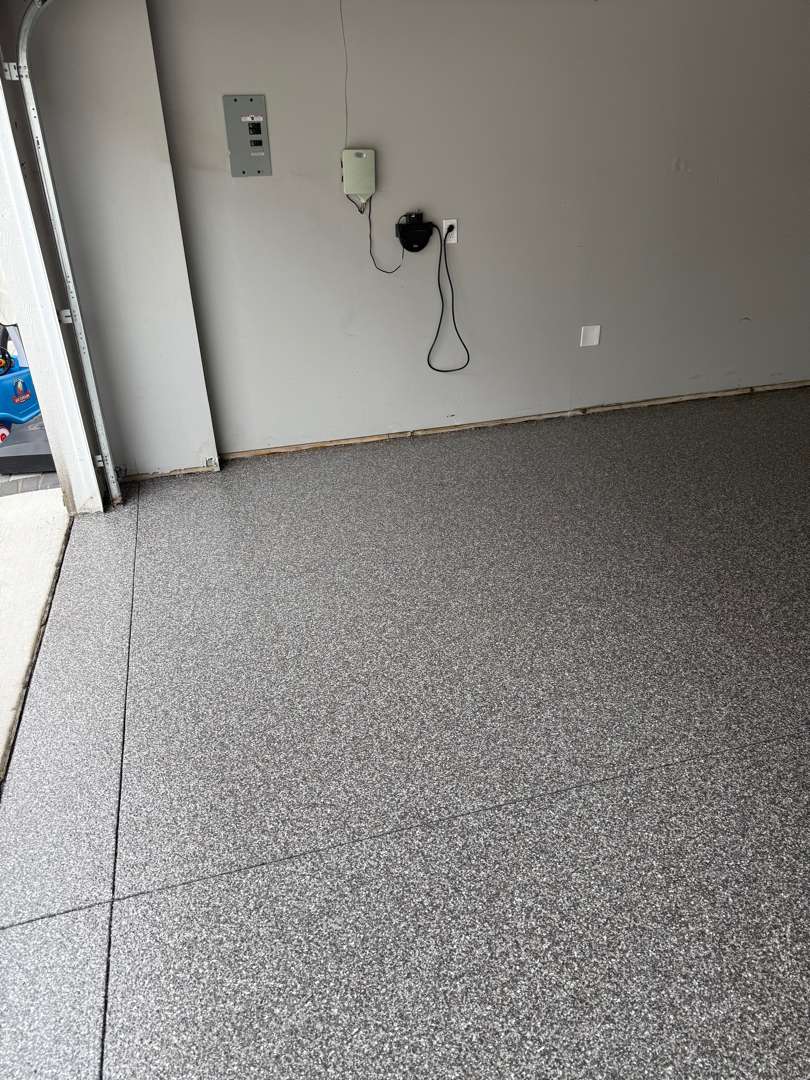
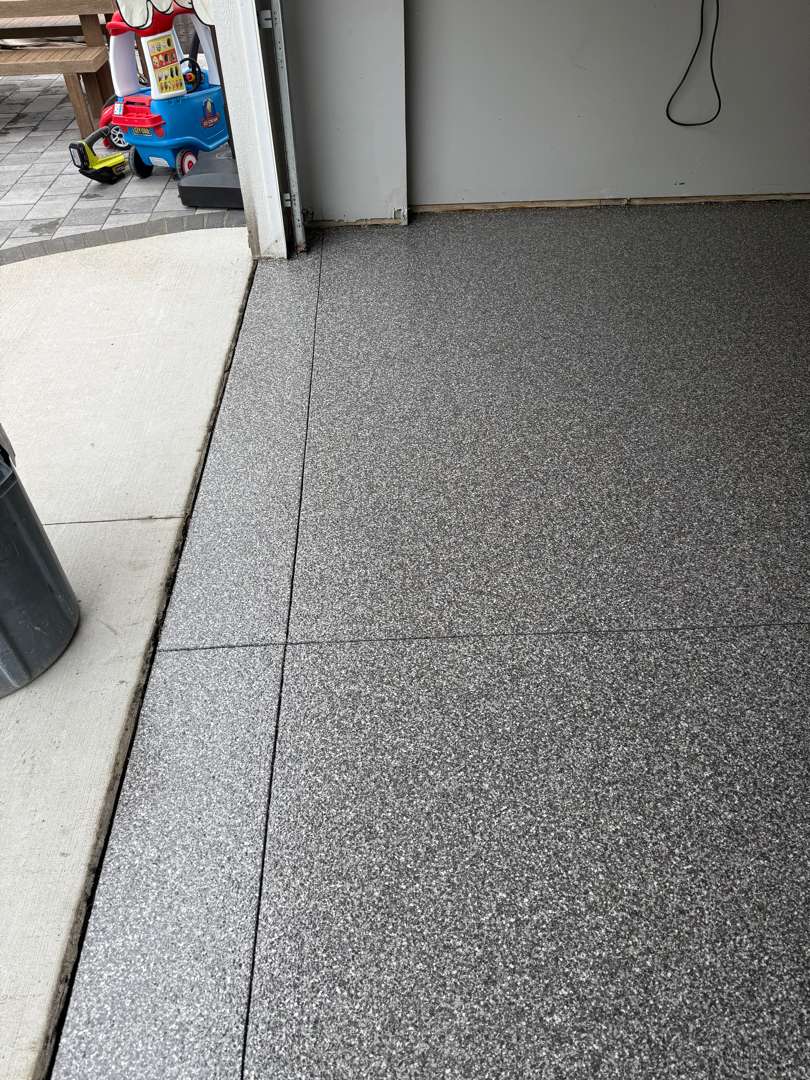
The homeowner selected Silvercreek — a cool charcoal blend with dark and light grey flecks throughout. Our crew applied the MC-3.2 polyurea-polyaspartic coating system with 36-grit traction. Our team broadcast the decorative flake across the wet base coat. They then applied the heavy clear topcoat to lock in the flakes and seal the surface. There were no vertical surfaces and no steps on this installation.
The Result
The finished floor on Webster Street is a clean, polished result on new concrete. Silvercreek gives the detached garage a sharp, refined look. The cool charcoal tone contrasts well against the light walls. The 36-grit traction provides reliable grip underfoot. The floor is sealed, protected, and ready for years of use.

Testimonials - Voices of Our Clients
Sarah Bates
Kim Hoover
NEW Garage Floor Coating
on Yorkshire Road
Yorkshire Road, Birmingham, MI
The Starting Point
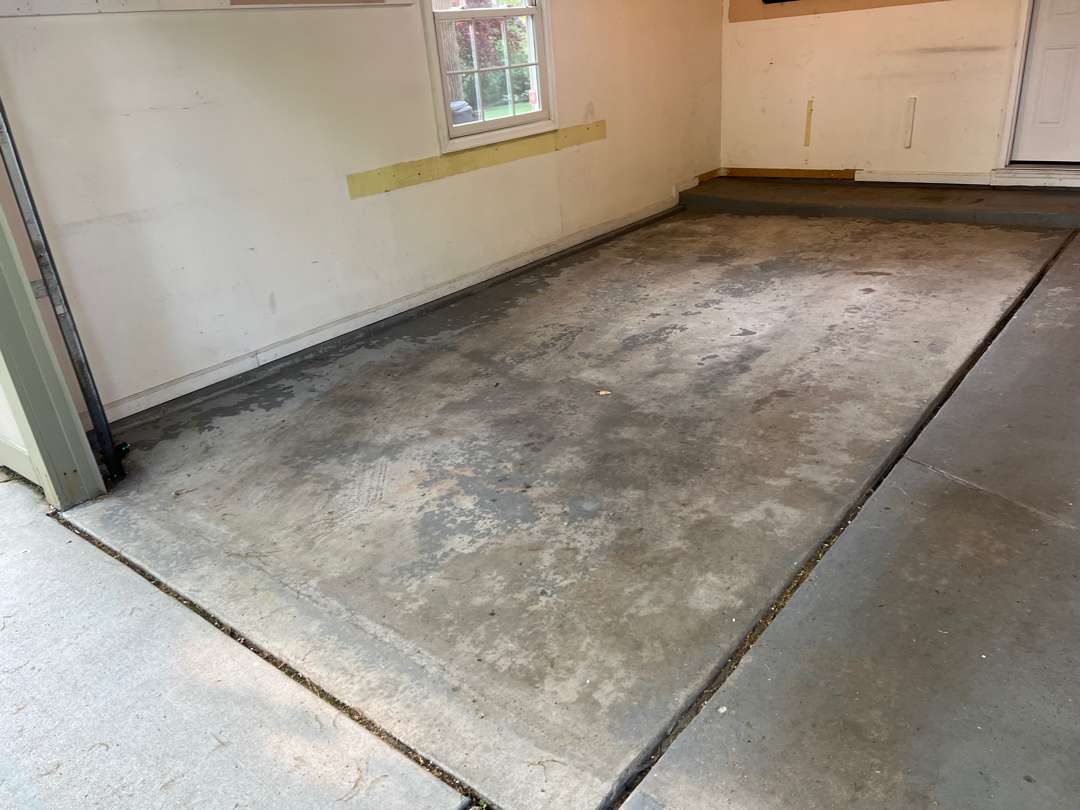
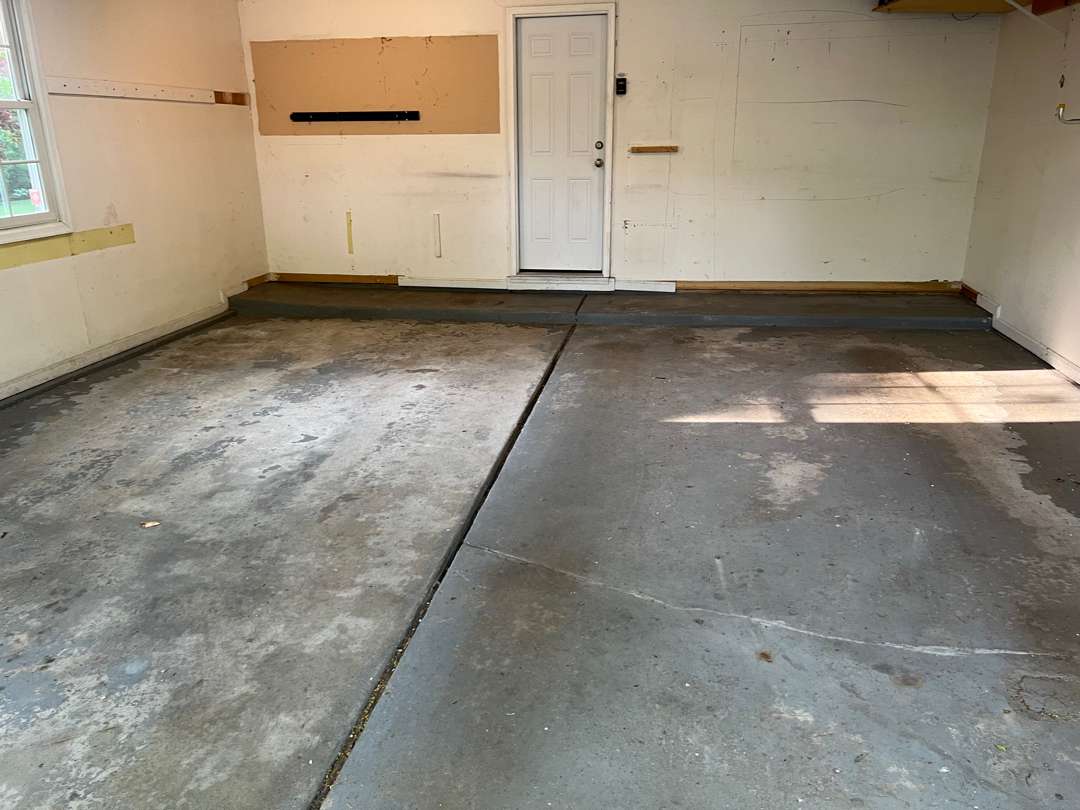
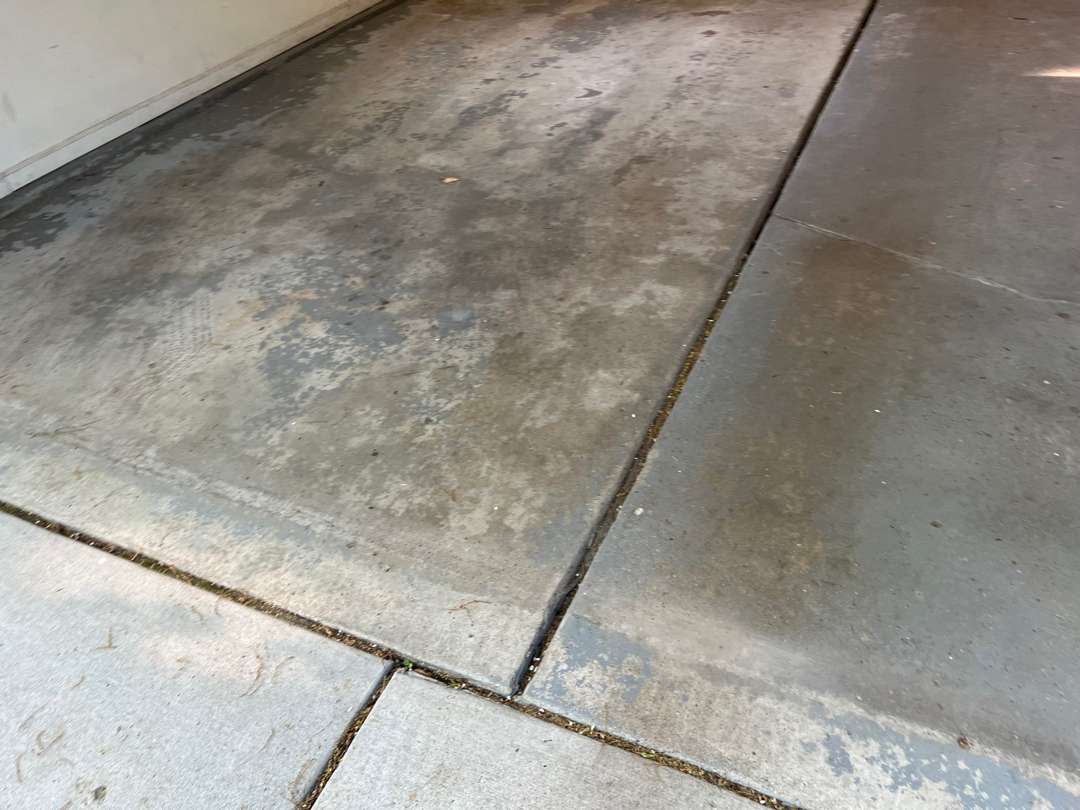
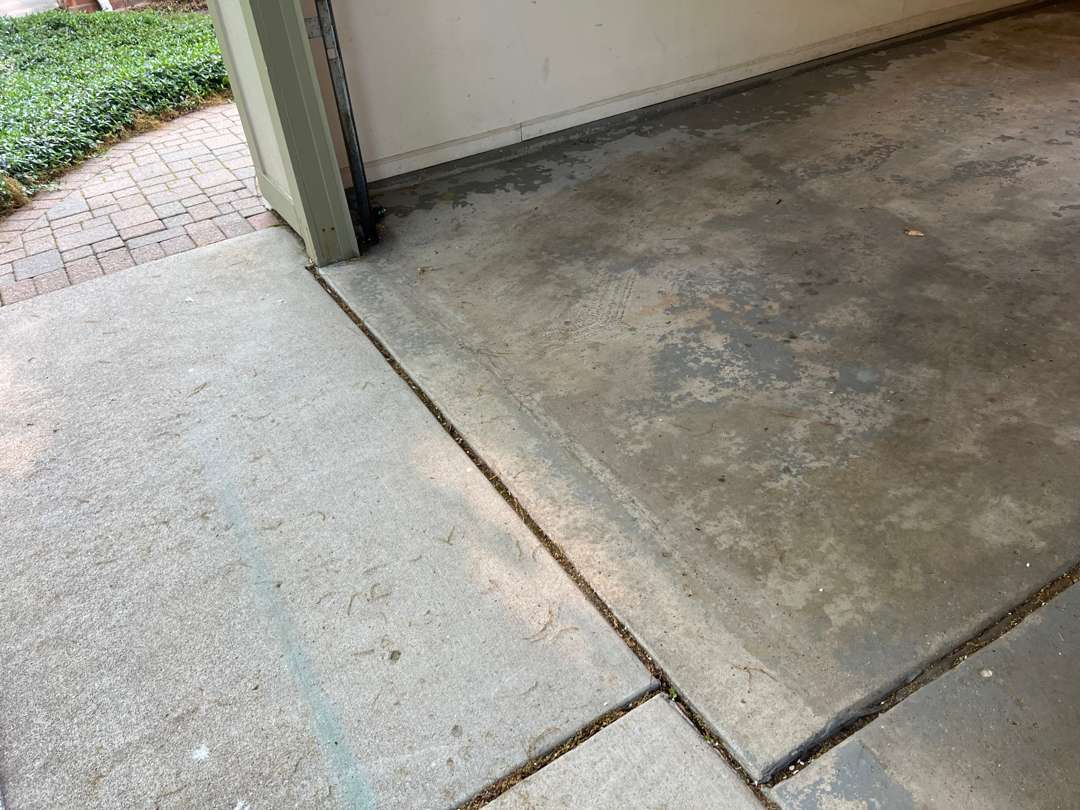
Paint Removal and Surface Preparation
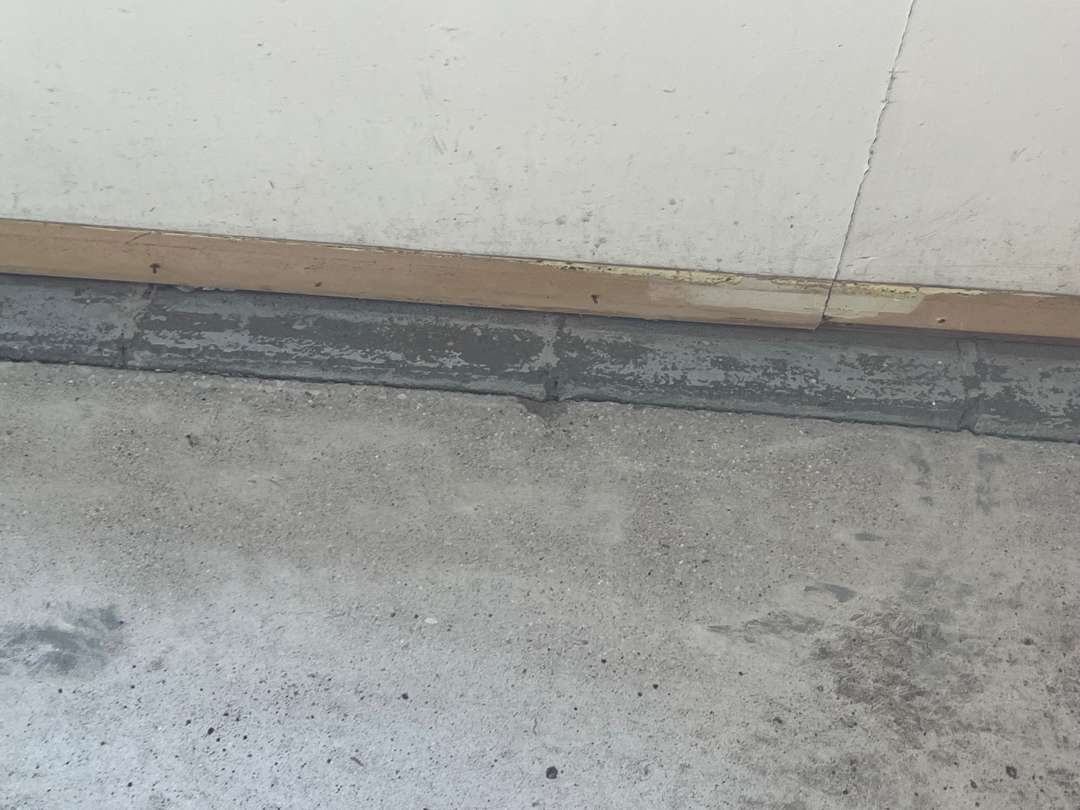
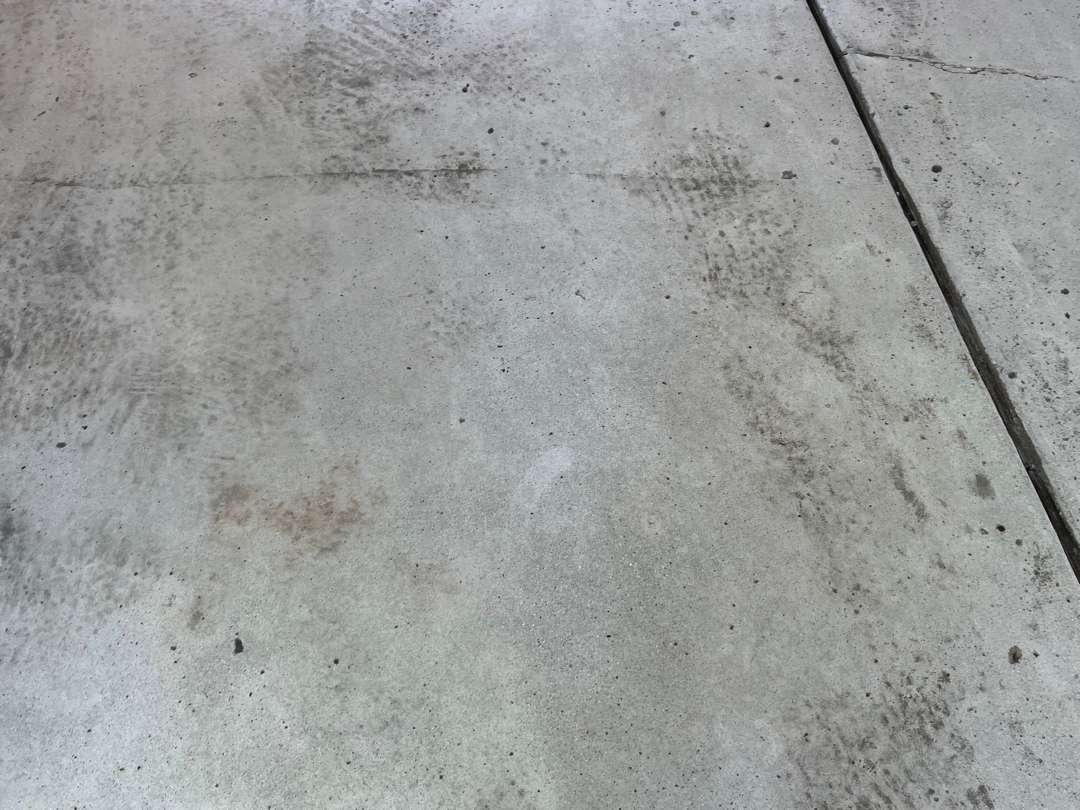
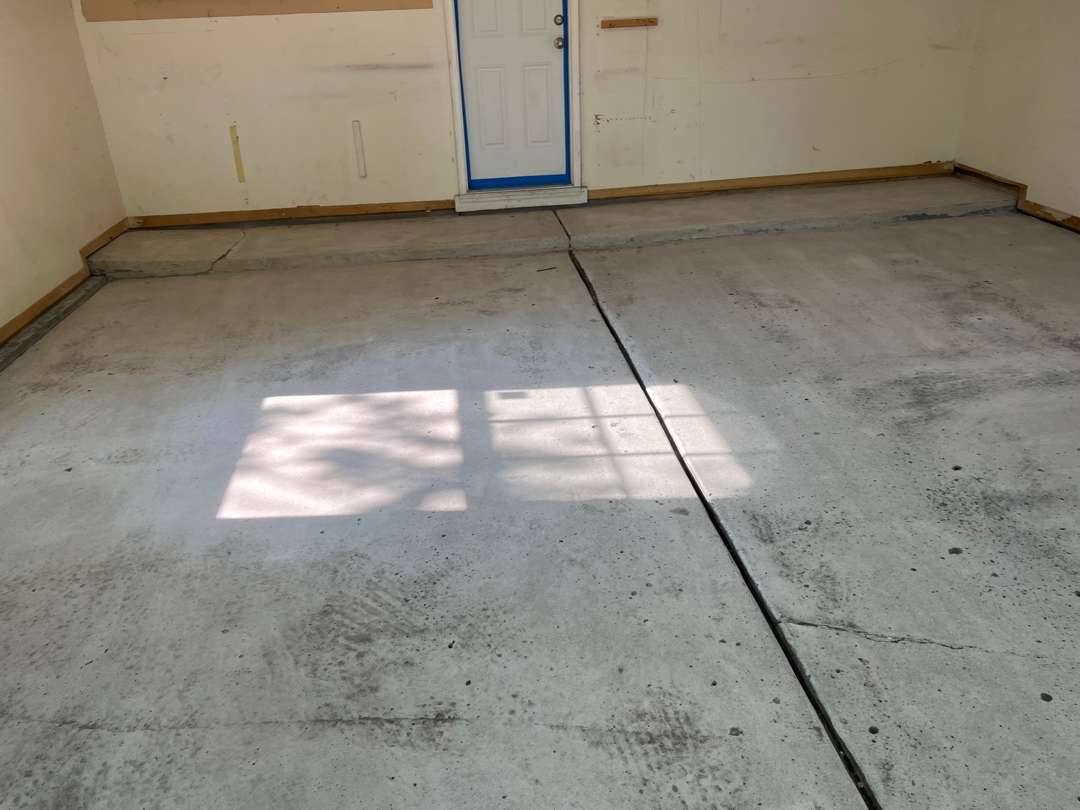
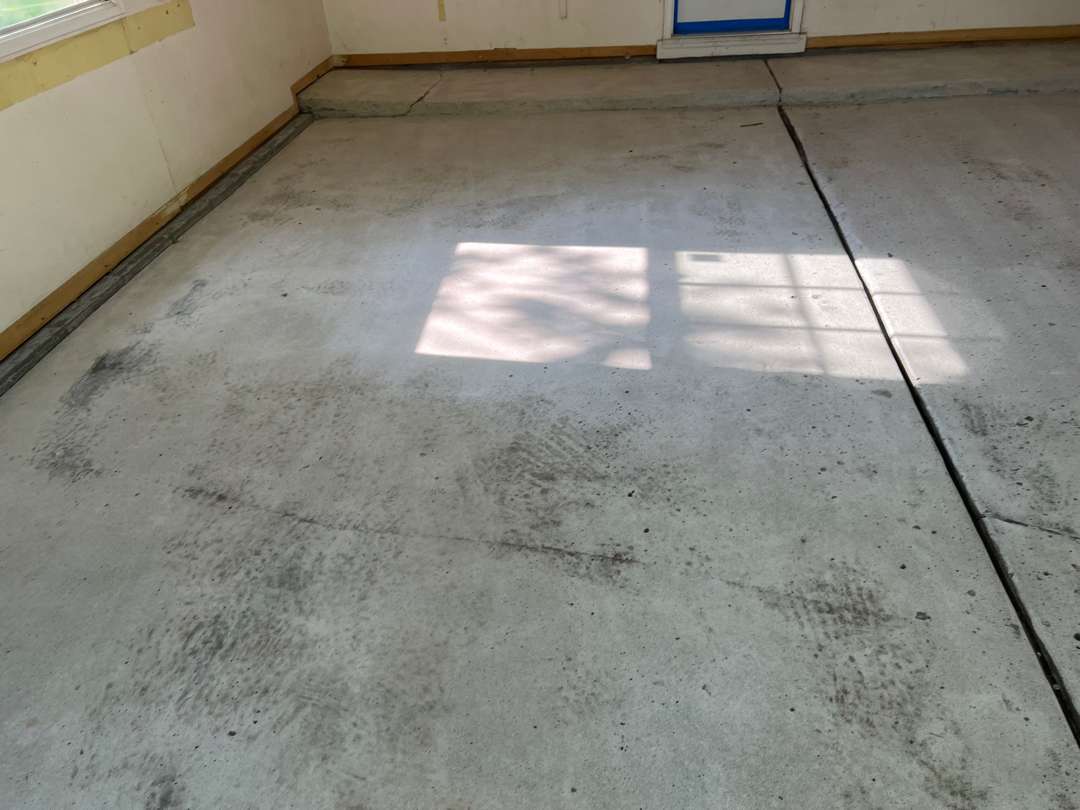
Pitting Repair

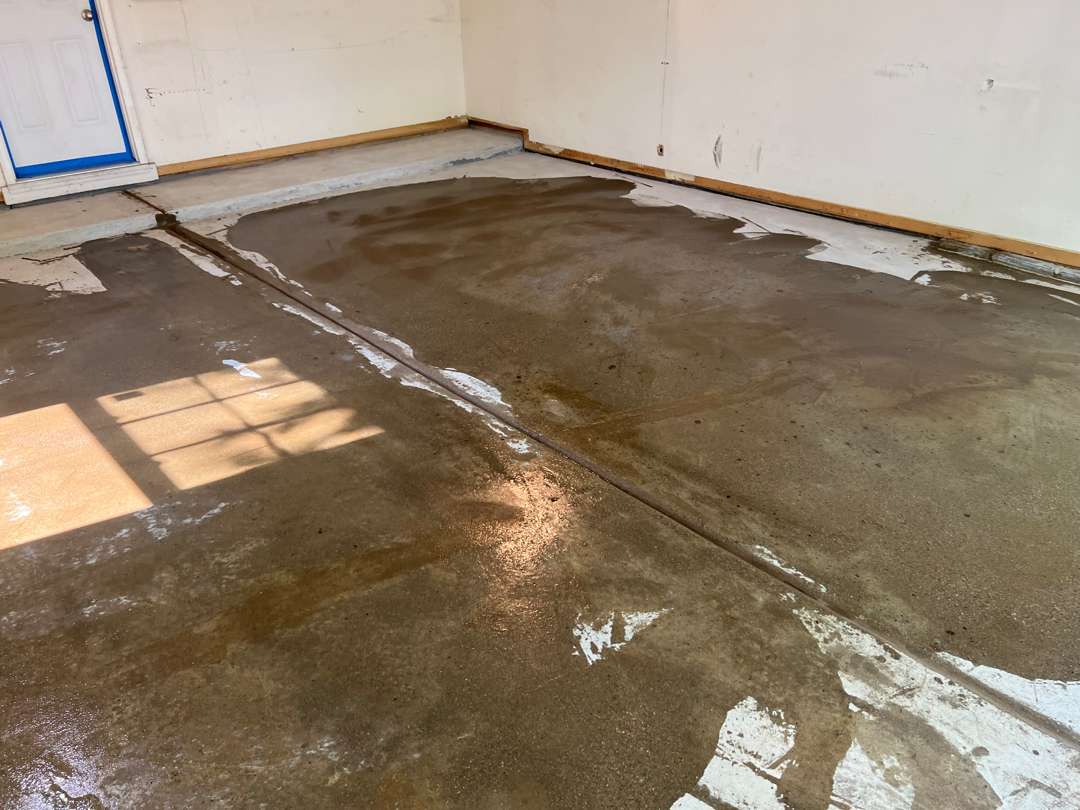
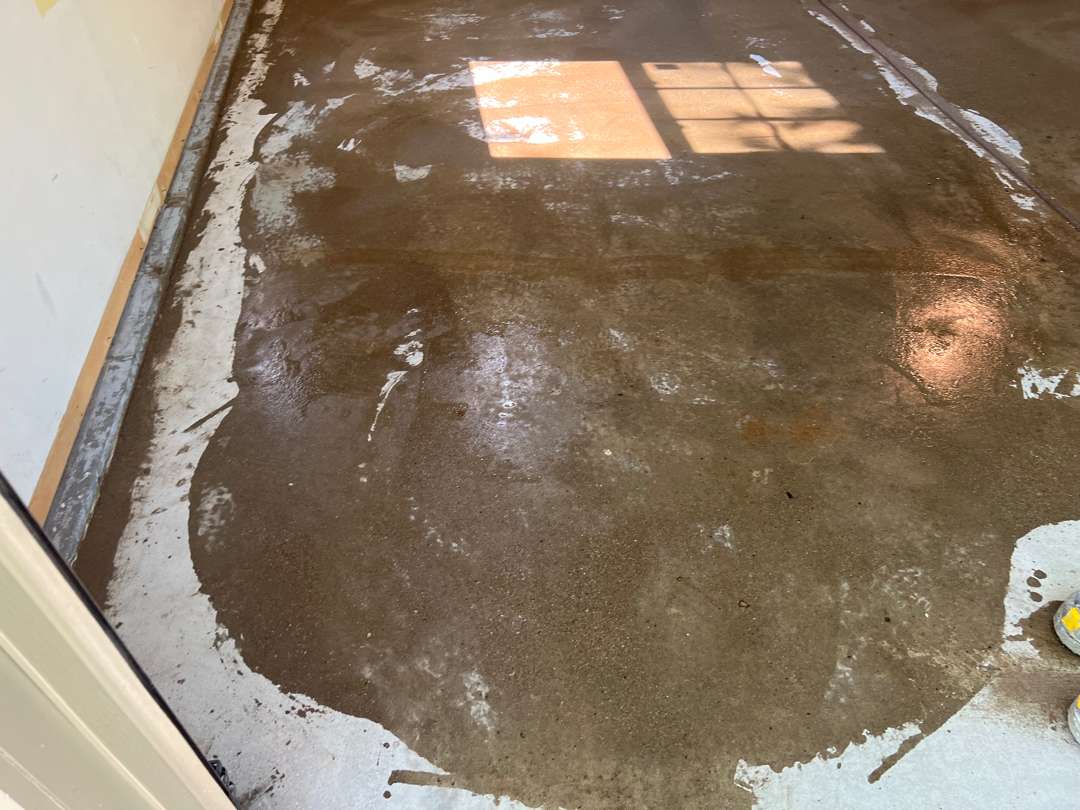
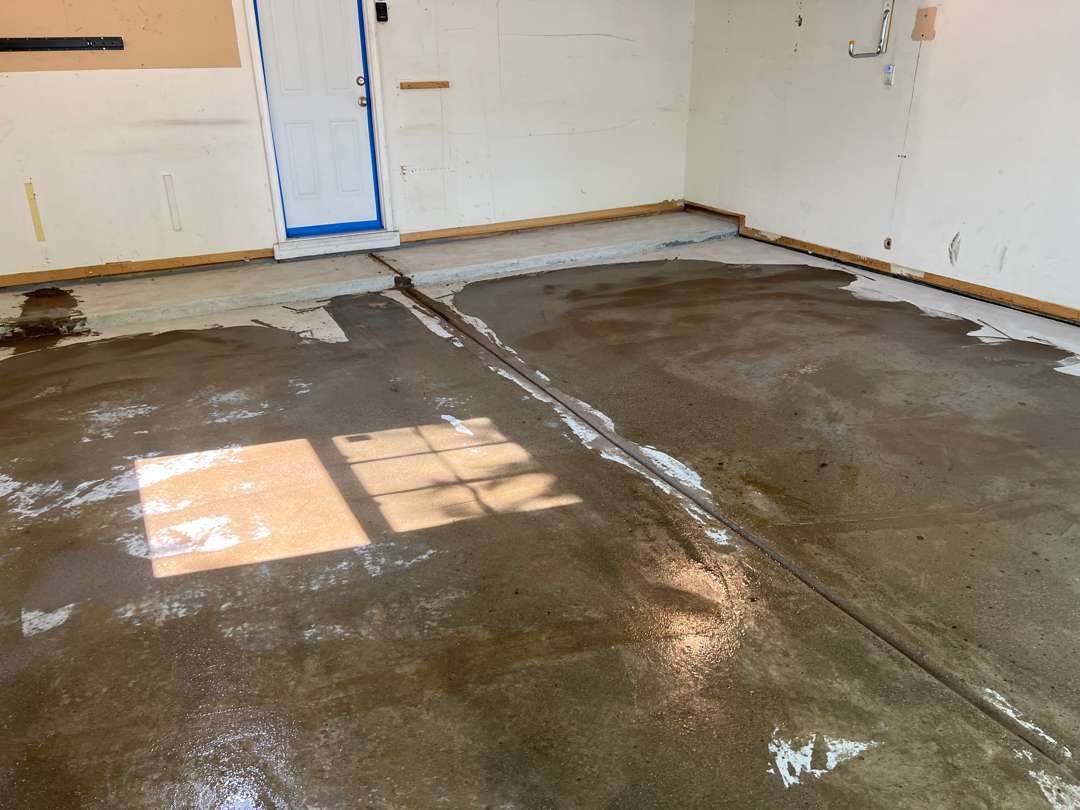
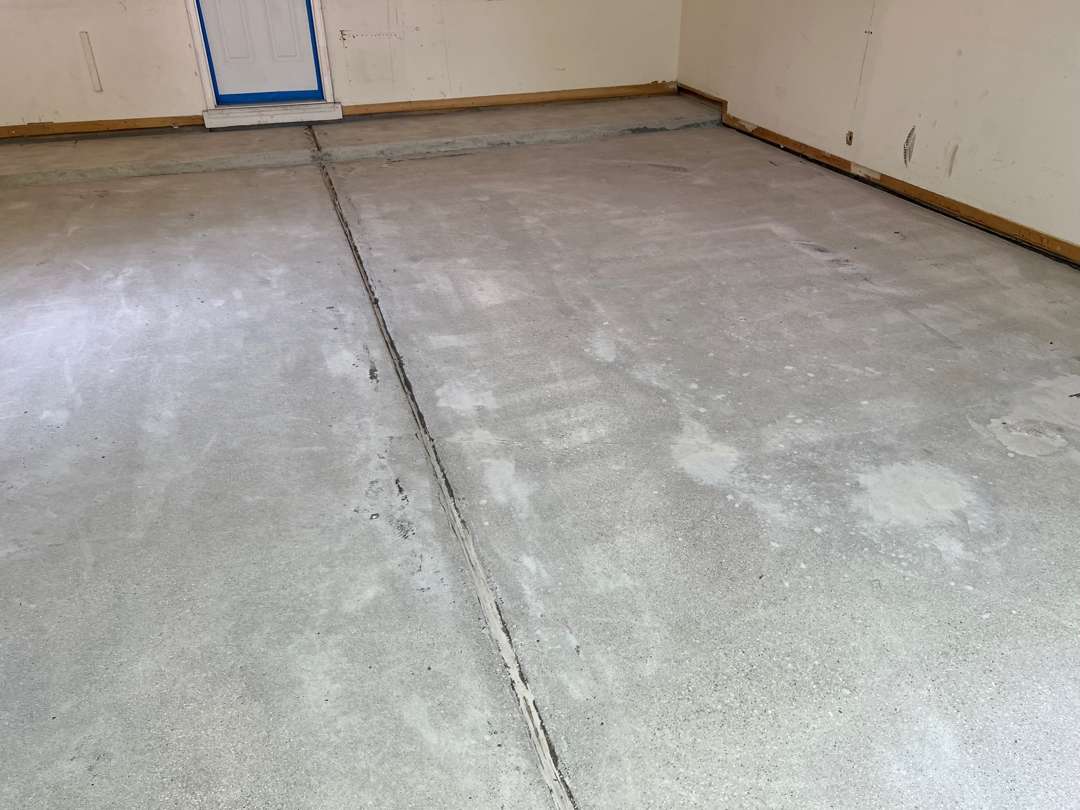
Second Grind
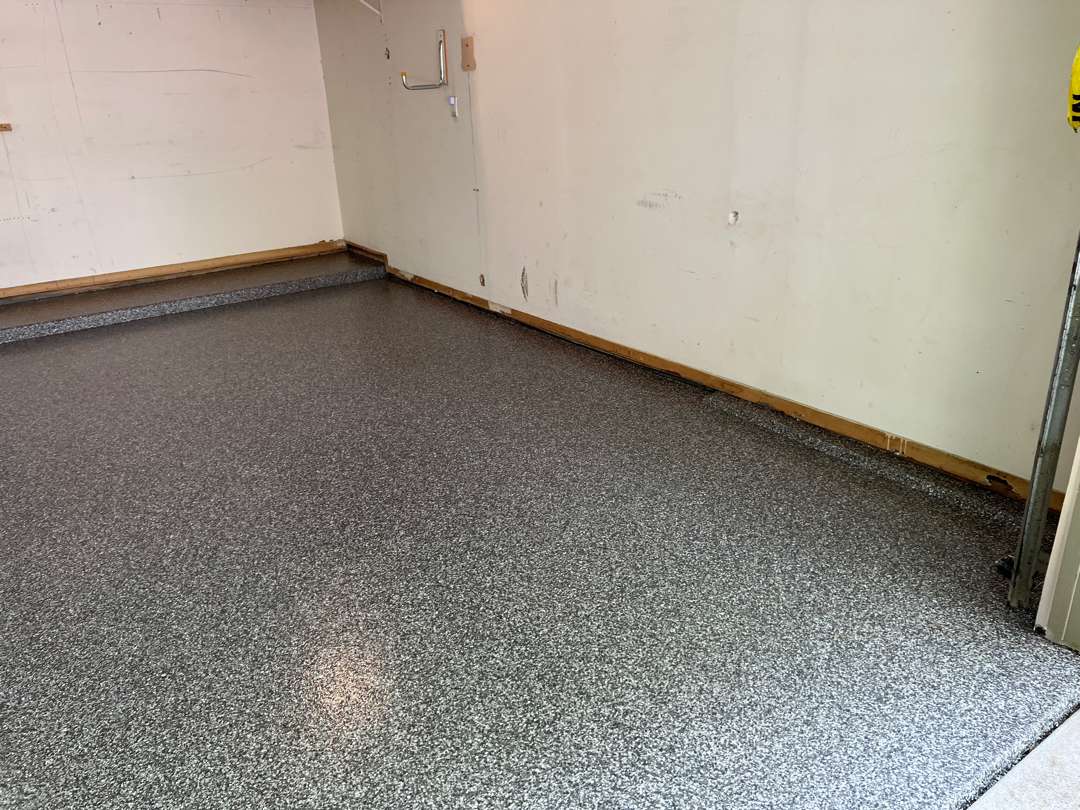
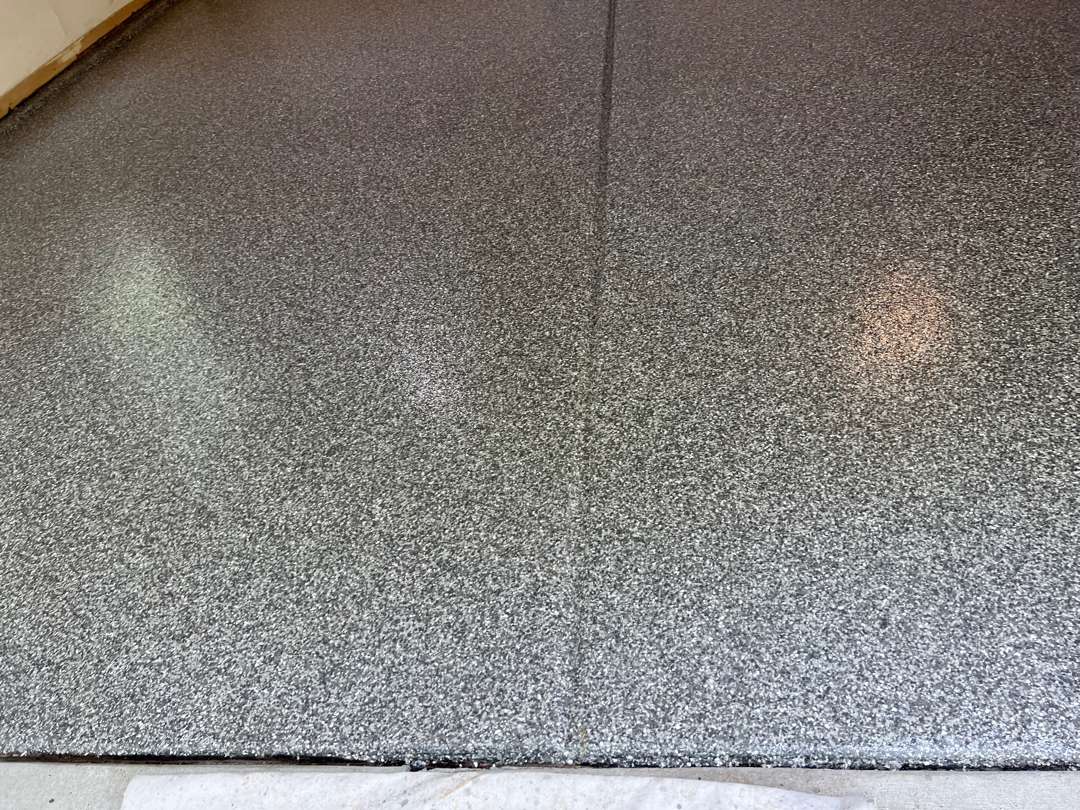
The Coating System
The Result
Testimonials - Voices of Our Clients
Roger Meredith
Our garage floor was done today and it looks beautiful. It took about
six or seven hours and looks great. Now we will wait and see if it hold like we expect and I believe it will.
Todd Ryckman
The MotorCity Advantage
MotorCity Floors and Coatings specializes in professional-grade polyurea-polyaspartic systems. These dual-coating systems are replacing epoxy products constrained by older chemistry. Our systems deliver strong chemical resistance, superior durability, greater flexibility, shorter cure times, and proven UV stability that maintains color for decades. We back every installation with an industry-leading warranty.
Each project includes thorough diamond grinding preparation, flexible polyurea crack repair, and careful application to ensure consistent coverage across the full slab. When prior coatings are present—as our crew found at multiple Birmingham properties—we strip the existing system completely before any new material goes down. This step ensures the polyurea-polyaspartic system bonds directly to the concrete rather than to a compromised surface above it.